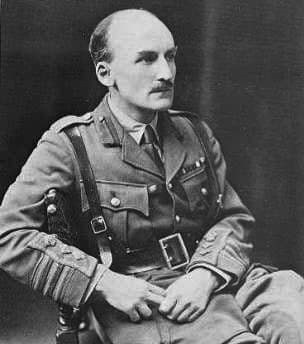
J. F. C. Fuller
J. F. C. Fuller was a British military historian, strategist, and author known for his innovative theories on warfare and military strategy. Born in 1878, Fuller served in the British Army during World War I, where he began to develop his ideas on mechanized warfare and the importance of armored units. His experiences on the battlefield informed his writings, leading to seminal works such as 'The Foundations of the Science of War' and 'The Conduct of War', which challenged traditional military doctrines and emphasized the need for adaptability in strategy. Fuller's advocacy for the use of tanks and mechanized forces was ahead of its time, influencing military thought and practice in the interwar period and beyond. Fuller was not only a military theorist but also an influential writer on the philosophy of war, exploring the psychological and sociopolitical aspects of conflict. His controversial views often sparked debate, particularly his ideas on the nature of warfare and the role of technology in shaping military outcomes. In addition to his military writings, Fuller authored several historical works, including biographies and analyses of notable military figures. His legacy endures in the field of military studies, where he is remembered as a pioneering thinker who foresaw the future of warfare and laid the groundwork for modern military strategy.
Famous Quotes
View all 9 quotes“What indeed is madness but the orgasm between consciousness and unconsciousness; yet today psychology has passed this chaotic union between mind and soul: it is taking form, and one day it will be brought to the bed of a new priesthood. Already have the heralds of the last illusion blazoned forth the coming of the magicians. Freud and Jung and a host of followers have invented psycho-analysis, which today is still pure black magic, the anatomization of the mind by thought potientized by theories in place of panticles, mantras and spells.””
“In the World War nothing was more dreadful to witness than a chain of men starting with a battalion commander and ending with an army commander sitting in telephone boxes, improvised or actual, talking, talking, talking, in place of leading, leading, leading.””
“He won the Civil War for the North, and re-established the Union which today has grown into the vastest consolidated power since the fall of Rome. He fought some of the greatest campaigns in history; was never defeated, and after the war was twice chosen by his countrymen as their President. If there is not food for myth here, where shall we seek it? His story is as amazing as Napoleon's, and as startling as Lenin's; yet enigma he lived and enigma he died, and though occasion was propitious and circumstances were favorable, enigma he remains.””
Books from the author

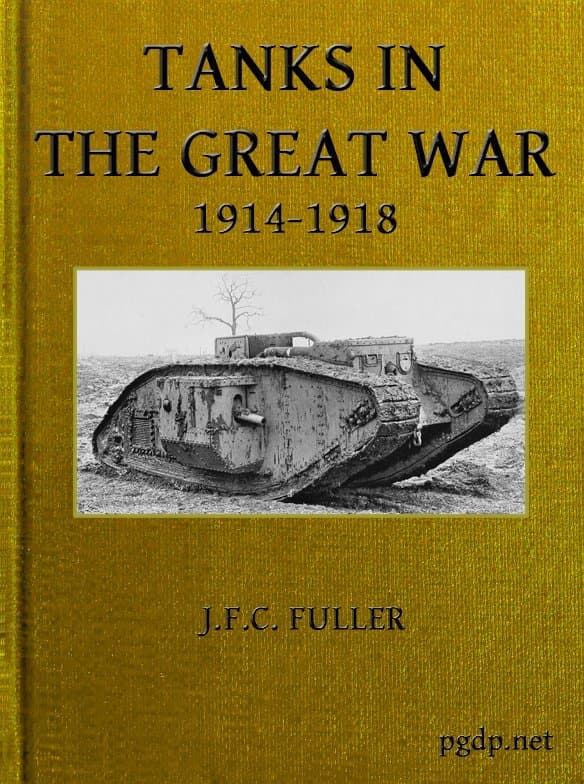
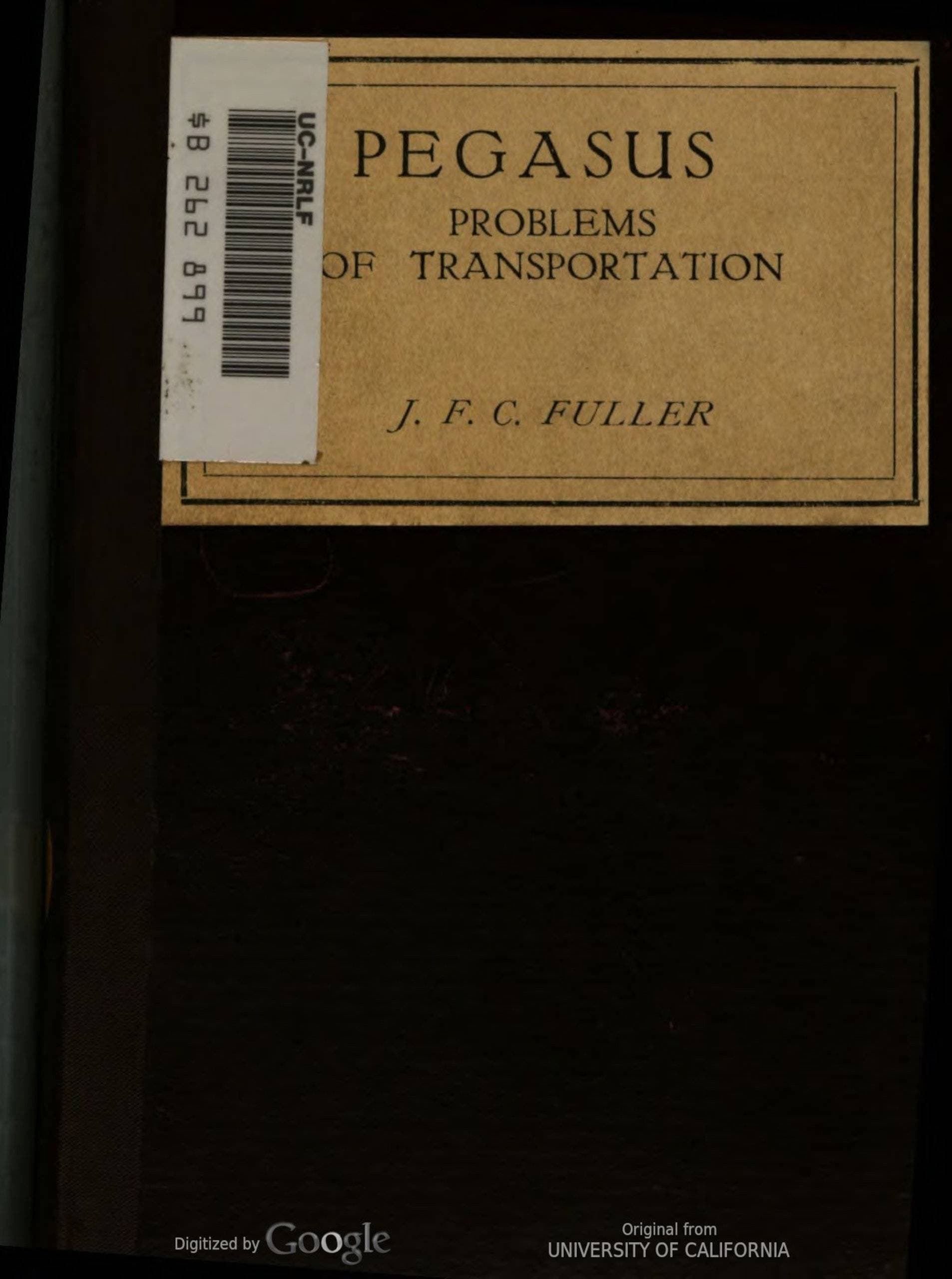





Link to this page
Add a free, dofollow link to Lex on your blog, forum, syllabus, or reading list.

<a href="https://lex-books.com/author/j-f-c-fuller"><img src="https://lex-books.com/badges/read-on-lex.svg" alt="J. F. C. Fuller on Lex" width="160" height="40"></a>[](https://lex-books.com/author/j-f-c-fuller)[url=https://lex-books.com/author/j-f-c-fuller][img]https://lex-books.com/badges/read-on-lex.svg[/img][/url]J. F. C. Fuller on Lex: https://lex-books.com/author/j-f-c-fuller