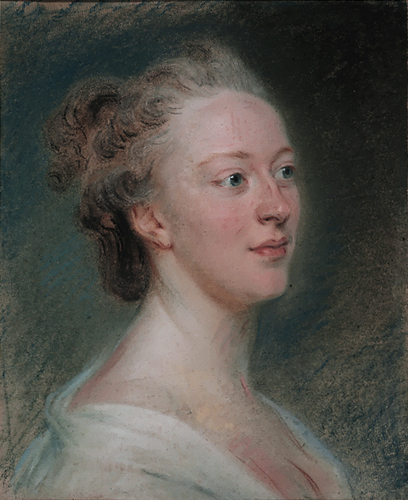
Isabelle de Charrière
Isabelle de Charrière was a prominent Swiss author and intellectual of the Enlightenment era, known for her insightful letters and novels that explored themes of social critique and personal freedom. Born in 1740 in the Netherlands, she spent much of her life in Switzerland, where she cultivated a literary career that would earn her recognition as one of the first female writers to engage deeply with philosophical and societal issues. Her work, 'Lettres Écrites De Lausanne,' is particularly notable for its epistolary format, offering a nuanced perspective on the cultural and political landscape of her time while reflecting her keen observations on human nature and society. In addition to her letters, de Charrière's 'Bien-né. Nouvelles et anecdotes. Apologie de la flatterie' showcases her wit and satirical prowess, addressing the complexities of social interactions and the art of flattery. Through her writings, she challenged the conventions of her era, advocating for women's intellectual engagement and the importance of personal authenticity. De Charrière's legacy endures as a pioneering figure in literature, whose works contributed significantly to the discourse on gender and society during the Enlightenment, paving the way for future generations of female writers.
Famous Quotes
View all 4 quotes“Il n'est de jours vraiment heureux que ceux où l'imprévoyance est totale. Le plaisir même n'est pas si doux à prévoir qu'il ne soit plus doux encore de ne prévoir rien.””
“Cogitans dubito: Penser, c'est douter. Songez que depuis notre naissance nous sommes dans le monde tout-à-la-fois spectacle et spectateurs, jugés et juges, mêlant sans cesse l'idée de ce qu'il nous convient que soient et fassent nos semblables, avec celle de ce qu'il leur convient que nous soyons et fassions; de manière qu'il se crée en nous une conscience dont il nous est impossible de reconnaitre les éléments.””
“Personne ne fait tout ce qu'il doit.””
Books from the author


Link to this page
Add a free, dofollow link to Lex on your blog, forum, syllabus, or reading list.

<a href="https://lex-books.com/author/isabelle-de-charrière"><img src="https://lex-books.com/badges/read-on-lex.svg" alt="Isabelle de Charrière on Lex" width="160" height="40"></a>[](https://lex-books.com/author/isabelle-de-charrière)[url=https://lex-books.com/author/isabelle-de-charrière][img]https://lex-books.com/badges/read-on-lex.svg[/img][/url]Isabelle de Charrière on Lex: https://lex-books.com/author/isabelle-de-charrière