What would you like to read?Search books, authors, genres, shelves, users...
Search books, authors, genres, shelves, users...Search books, authors, genres, shelves, users...

What would you like to read?Search books, authors, genres, shelves, users...
Search books, authors, genres, shelves, users...Search books, authors, genres, shelves, users...
1 books
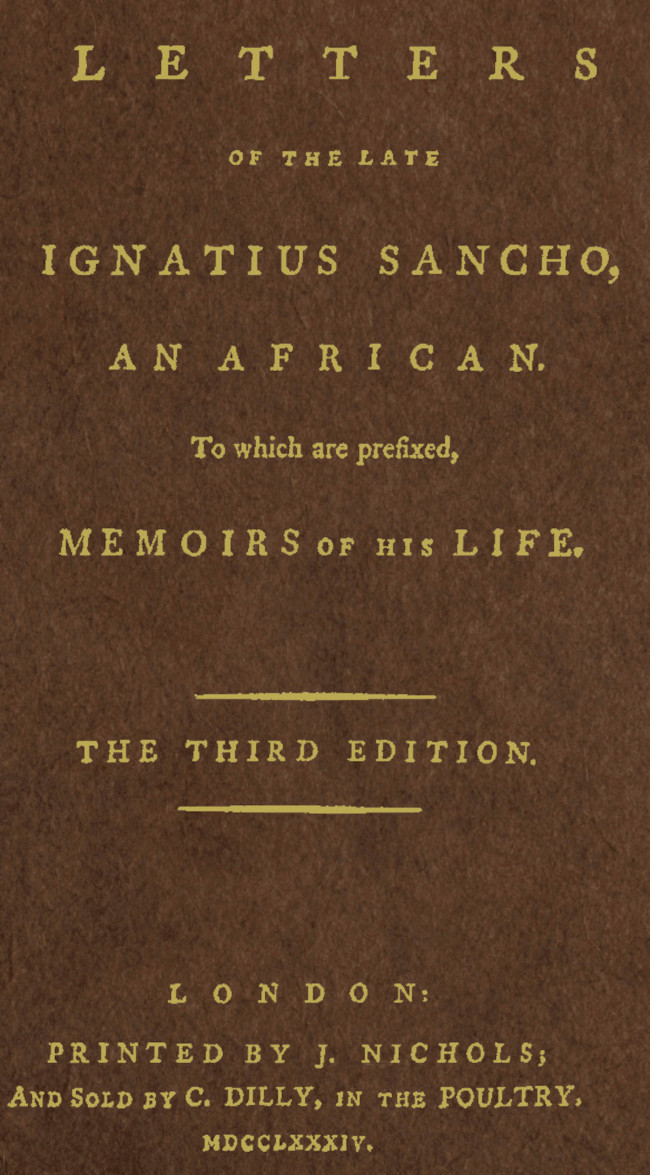
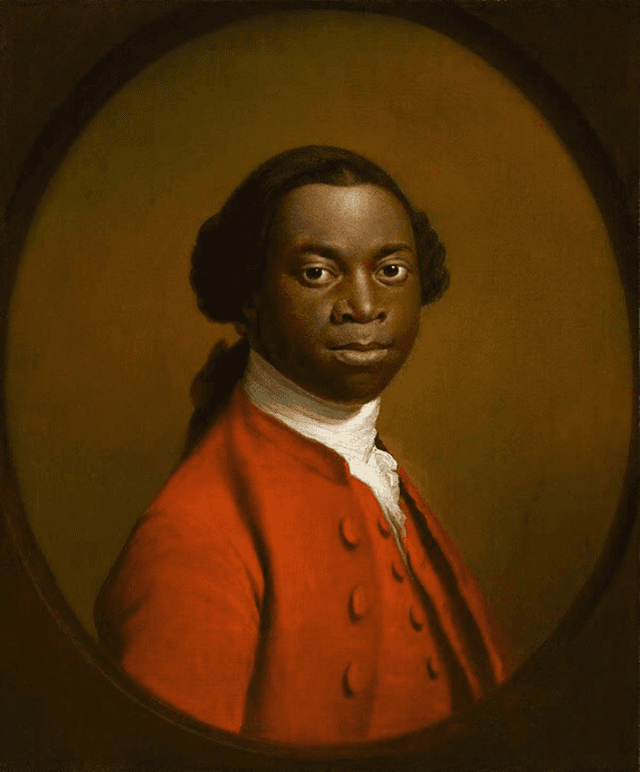
Charles Ignatius Sancho (c. 1729 – 14 December 1780) was a British abolitionist, writer and composer. Considered to have been born on a British slave ship in the Atlantic, Sancho was sold by the British slave traders into slavery in the Spanish Viceroyalty New Granada. After his parents died, Sancho's owner took the two-year-old orphan to Britain and gave him to three sisters living in Greenwich, where he remained for eighteen years. Unable to bear being a servant to them, Sancho ran away to the Montagu House in Blackheath, London where John Montagu, 2nd Duke of Montagu taught him how to read and encouraged Sancho's budding interest in literature. After spending some time as a butler in the household, Sancho left and started his own business as a shopkeeper, while also starting to write and publish various essays, plays and books. Sancho quickly became involved in the nascent British abolitionist movement, which sought to outlaw both the slave trade and the institution of slavery itself, and he became one of its most devoted supporters. Sancho's status as a property-owner meant he was legally qualified to vote in a general election, a right he exercised in 1774 and 1780, becoming the second known British African to have voted in Britain after John London. Gaining fame in Britain as "the extraordinary Negro", Sancho became, to British abolitionists, a symbol of the humanity of Africans and the immorality of the slave trade and slavery. Sancho died in 1780. The Letters of the Late Ignatius Sancho, an African, edited and published two years after his death, are the first published letter collection by a writer of African descent.

Were I as rich in worldly commodity, as in hearty will, I would thank you most princely for your very welcome and agreeable letter;- but, were it so, I should not proportion my gratitude to your wants;- for, blessed be the God of thy hope!- thou wantest nothing- more than, what's in thy possession, or in thy power to possess:- I would neither give thee Money, nor Territory, Women, nor Horses, nor Camels, nor the height of Asiatic pride, Elephants;- I would give thee Books.
Commerce was meant by the goodness of the Deity to diffuse the various goods of the earth into every part, to unite mankind in the blessed chains of brotherly love, society, and mutual dependence: the enlightened Christian should diffuse the riches of the Gospel of peace, with the commodities of his respective land. Commerce attended with strict honesty, and with Religion for its companion, would be a blessing to every shore it touched at. In Africa, the poor wretched natives, blessed with the most fertile and luxuriant soil, are rendered so much the more miserable for what Providence meant as a blessing: the Christians' abominable traffic for slaves, and the horrid cruelty and treachery of the petty Kings- encouraged by their Christian customers- who carry them strong liquors, to enflame their national madness, and powder, and bad fire-arms, to furnish them with the hellish means of killing and kidnapping. But enough- it is a subject that sours my blood...
I do request you to thank Mr. W___ for me, and tell him he has the prayers- not of a raving mad whig, nor fawning deceitful tory- but of a coal-black, jolly African, who wishes health and peace to every religion and country throughout the ample range of God's creation!
Were I as rich in worldly commodity, as in hearty will, I would thank you most princely for your very welcome and agreeable letter;- but, were it so, I should not proportion my gratitude to your wants;- for, blessed be the God of thy hope!- thou wantest nothing- more than, what's in thy possession, or in thy power to possess:- I would neither give thee Money, nor Territory, Women, nor Horses, nor Camels, nor the height of Asiatic pride, Elephants;- I would give thee Books.
Commerce was meant by the goodness of the Deity to diffuse the various goods of the earth into every part, to unite mankind in the blessed chains of brotherly love, society, and mutual dependence: the enlightened Christian should diffuse the riches of the Gospel of peace, with the commodities of his respective land. Commerce attended with strict honesty, and with Religion for its companion, would be a blessing to every shore it touched at. In Africa, the poor wretched natives, blessed with the most fertile and luxuriant soil, are rendered so much the more miserable for what Providence meant as a blessing: the Christians' abominable traffic for slaves, and the horrid cruelty and treachery of the petty Kings- encouraged by their Christian customers- who carry them strong liquors, to enflame their national madness, and powder, and bad fire-arms, to furnish them with the hellish means of killing and kidnapping. But enough- it is a subject that sours my blood...