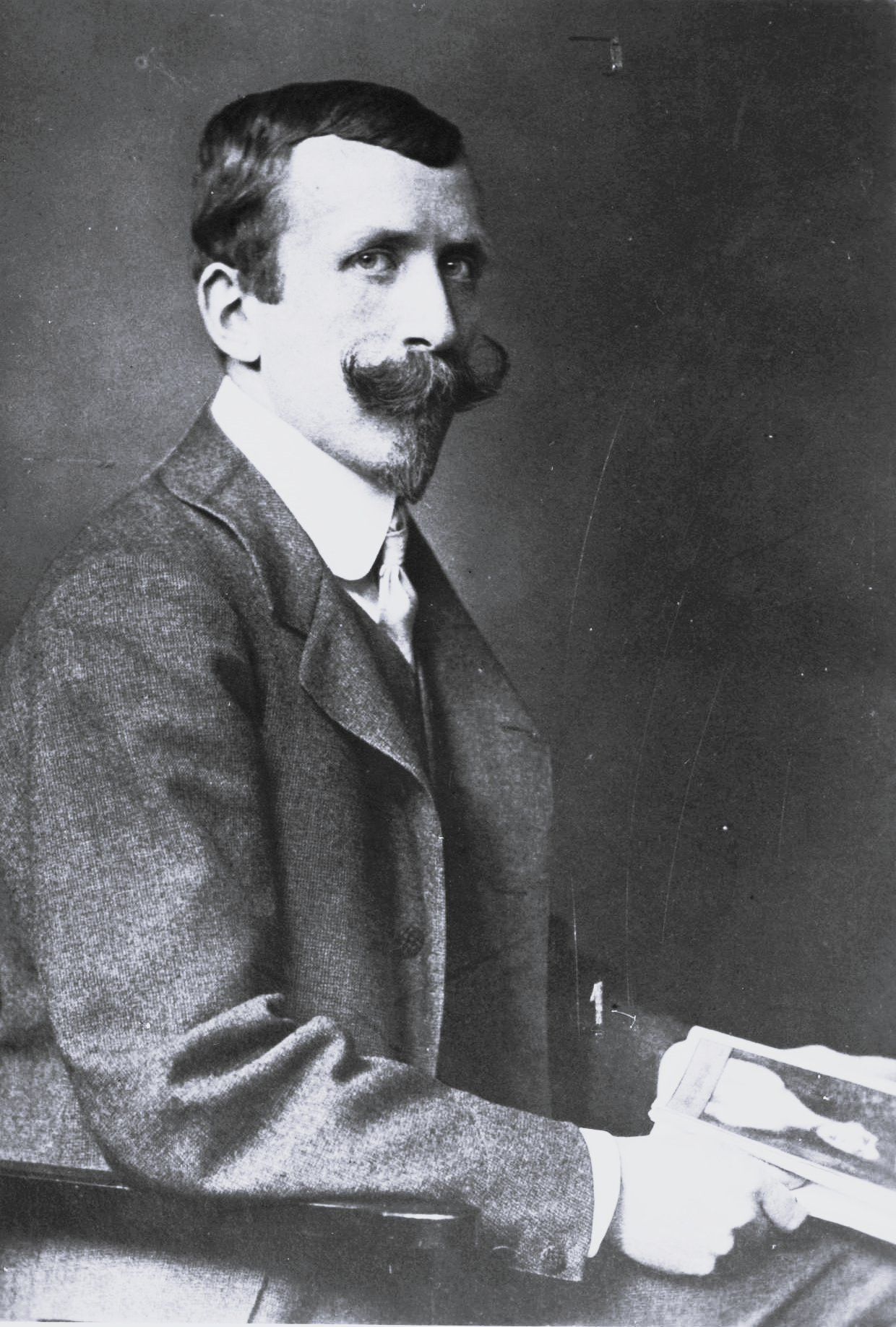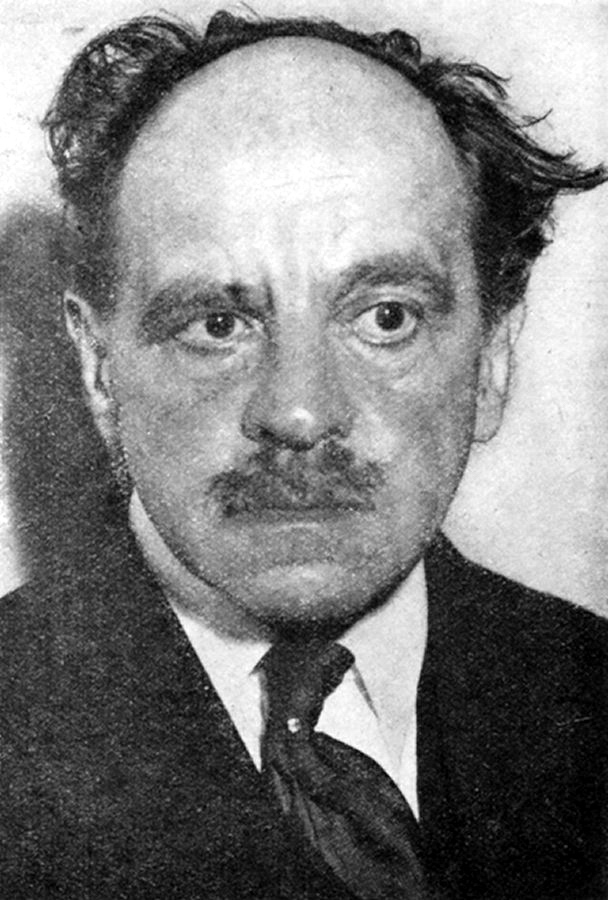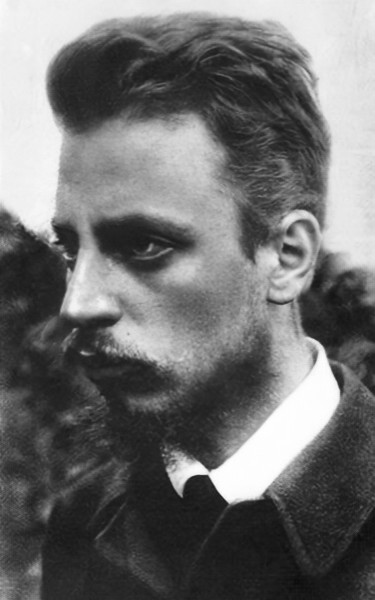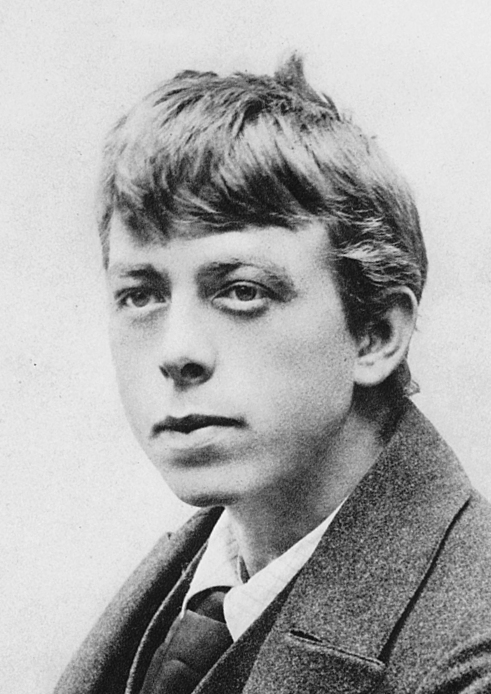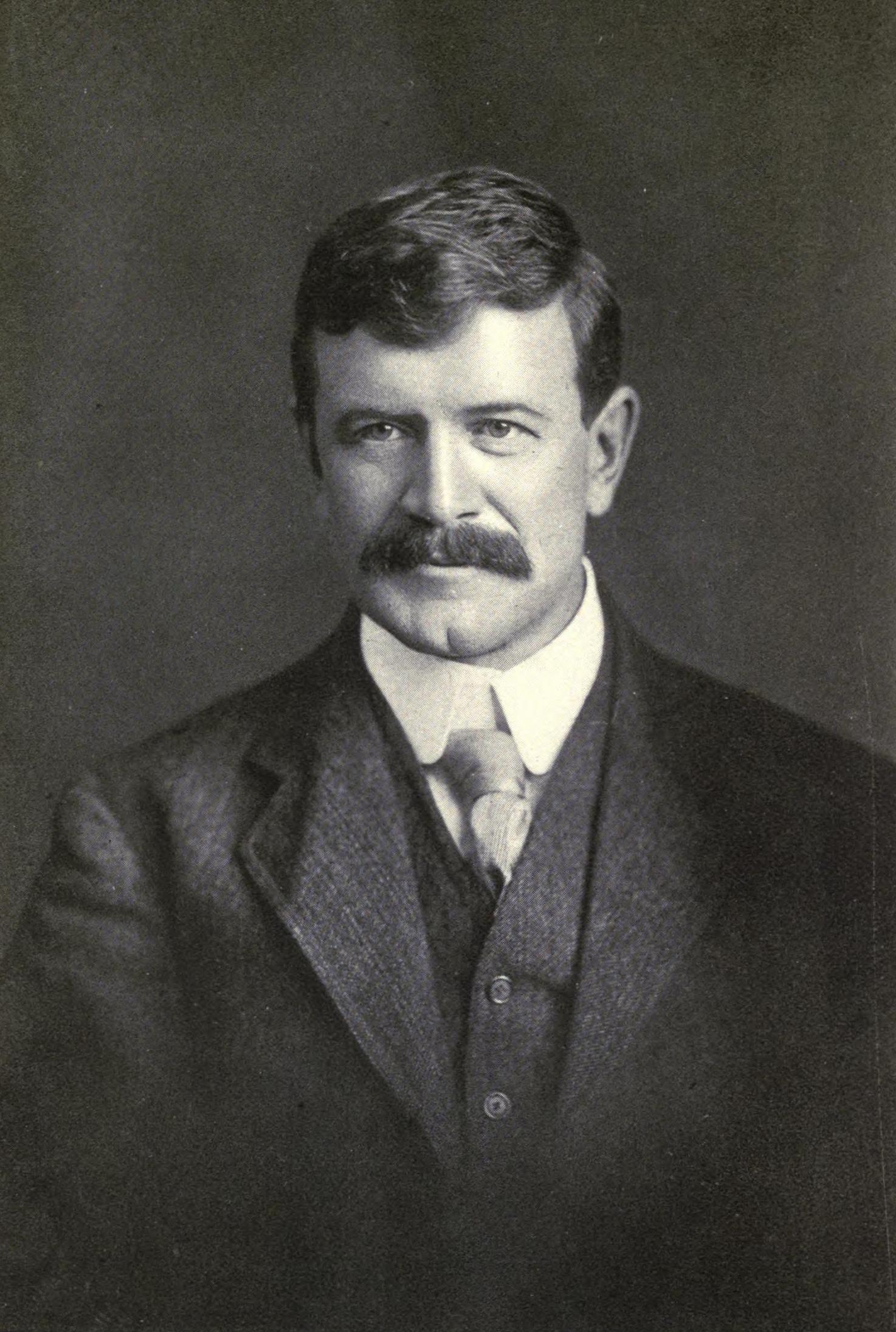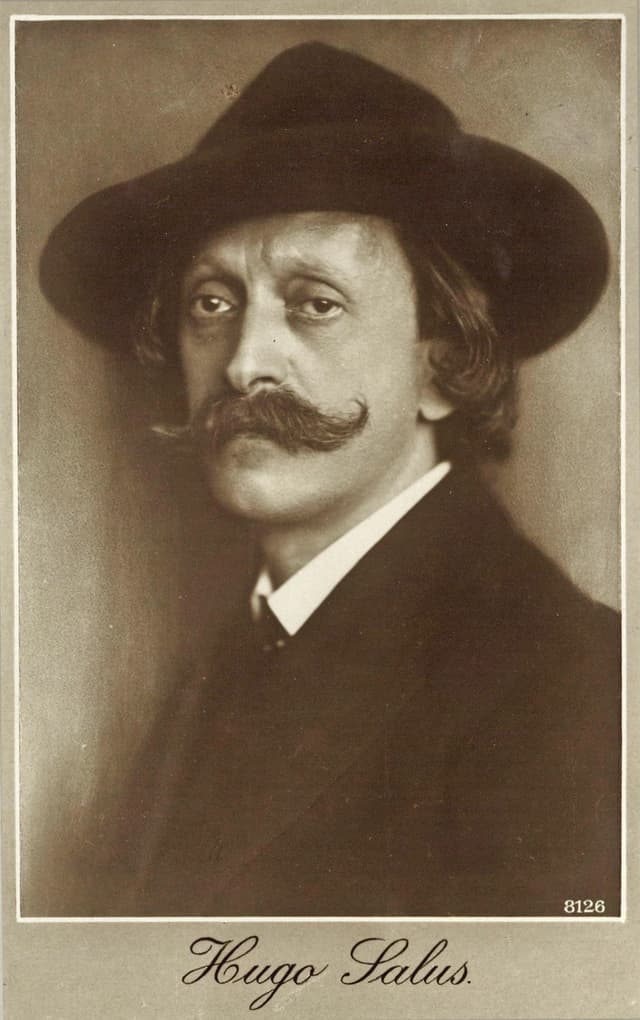
Hugo Salus
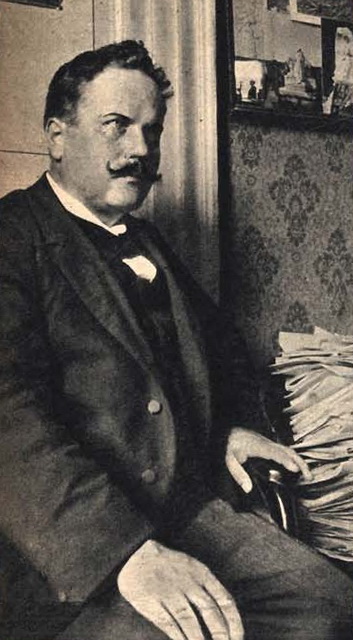
Hugo Salus was a notable German-Czech physician, writer, and poet whose works often reflected his deep engagement with the human condition and the complexities of life. Born in 1866, he pursued a career in medicine, which informed much of his literary output. Salus's writing is characterized by its exploration of existential themes and the interplay between health and illness, drawing from his experiences in the medical field. His poetry and prose often conveyed a sense of empathy and understanding towards the struggles of individuals, making his work resonate with the broader human experience. Among his significant contributions are his essays and poetry collections that delve into the philosophical aspects of life and death. Salus's literary significance lies in his ability to intertwine his medical knowledge with his artistic expression, creating a unique perspective that was ahead of its time. His works not only provided insight into the psychological and emotional states of his characters but also contributed to the discourse on the relationship between art and science. Salus's legacy endures as a testament to the power of literature to illuminate the human experience, particularly in the face of adversity and suffering.