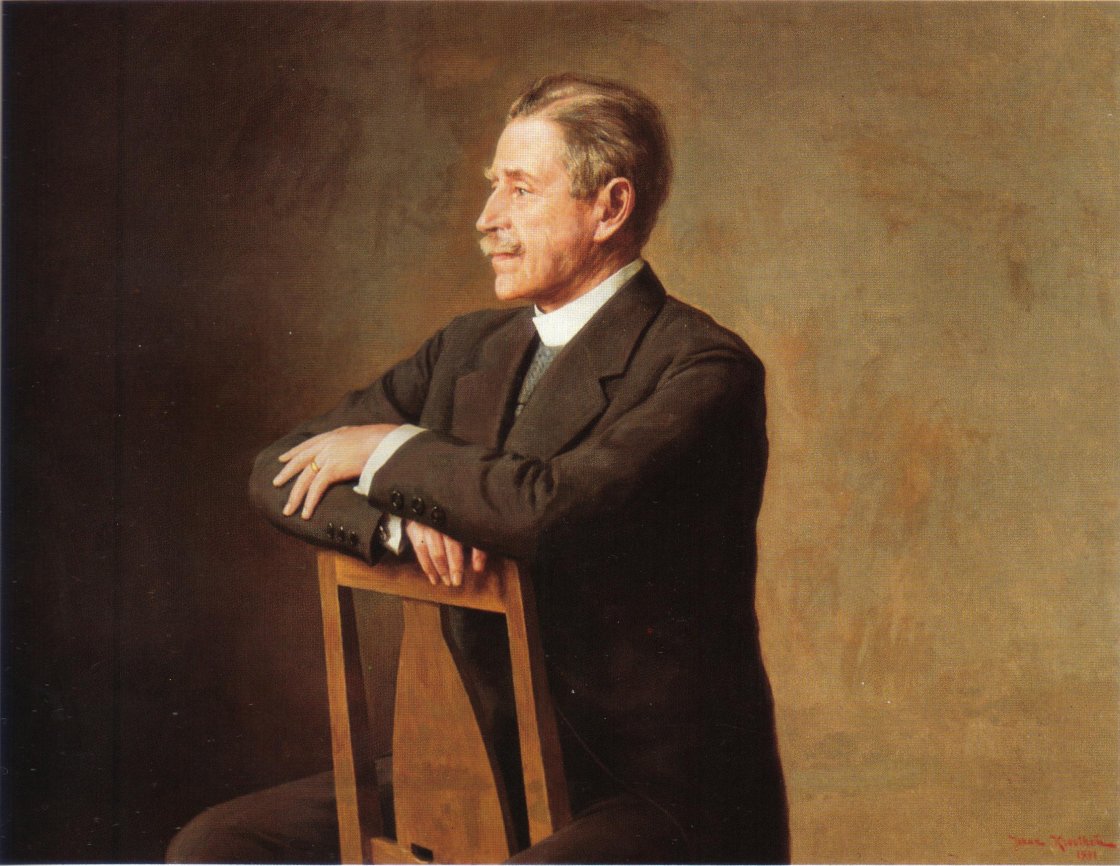
Hugo Erichsen
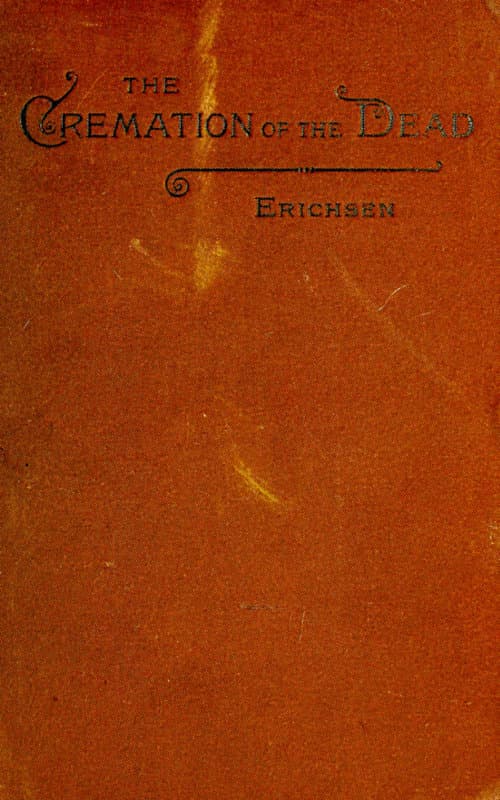
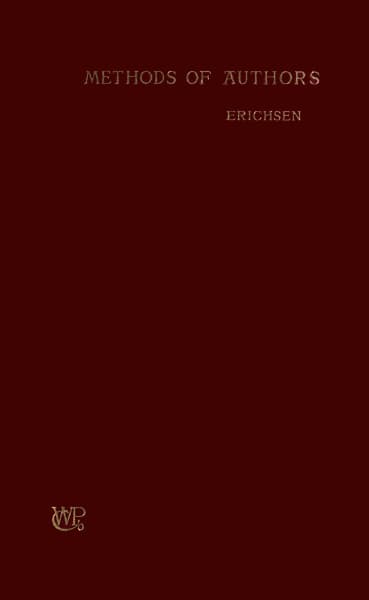
Hugo Erichsen was a notable figure in the early 20th century, recognized for his contributions to literature and social commentary. His work often explored the intersections of aesthetics, morality, and practical considerations, as exemplified in his influential book, "The Cremation of the Dead Considered from an Aesthetic, Sanitary, Religious, Historical, Medico-Legal, and Economical Standpoint." This comprehensive examination of cremation reflected the evolving attitudes towards death and burial practices during a time of significant societal change, addressing both the cultural and practical implications of cremation in modern society. In addition to his exploration of death and its implications, Erichsen also penned "Methods of Authors," which delved into the creative processes and techniques employed by writers. This work contributed to the understanding of literary craftsmanship and the various approaches authors take in their work, making it a valuable resource for both aspiring writers and literary scholars. Erichsen's writings are significant for their thoughtful analysis of contemporary issues and their impact on the discourse surrounding death and authorship, marking him as a distinctive voice in the literary landscape of his time.
Books from the author



Link to this page
Add a free, dofollow link to Lex on your blog, forum, syllabus, or reading list.

<a href="https://lex-books.com/author/hugo-erichsen"><img src="https://lex-books.com/badges/read-on-lex.svg" alt="Hugo Erichsen on Lex" width="160" height="40"></a>[](https://lex-books.com/author/hugo-erichsen)[url=https://lex-books.com/author/hugo-erichsen][img]https://lex-books.com/badges/read-on-lex.svg[/img][/url]Hugo Erichsen on Lex: https://lex-books.com/author/hugo-erichsen