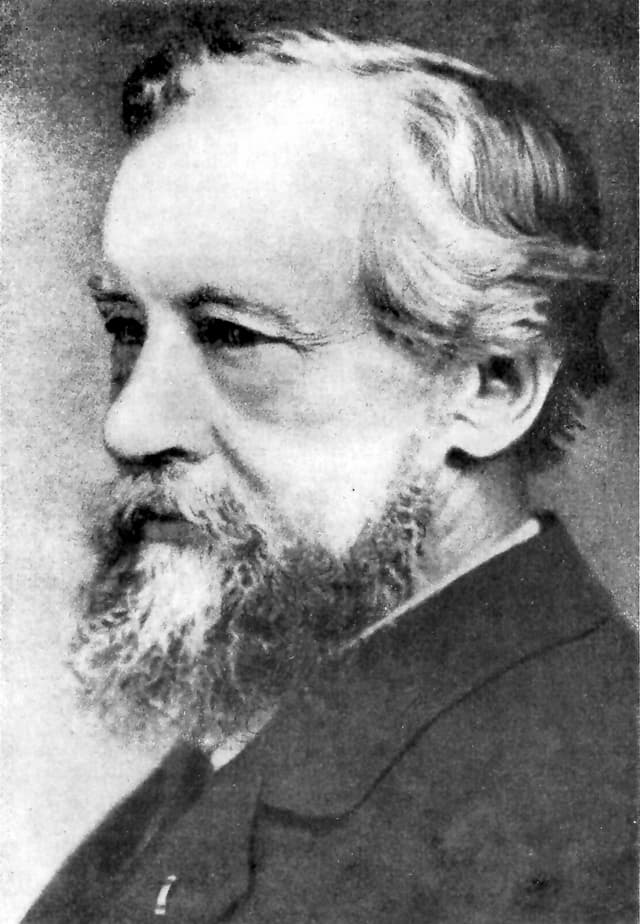
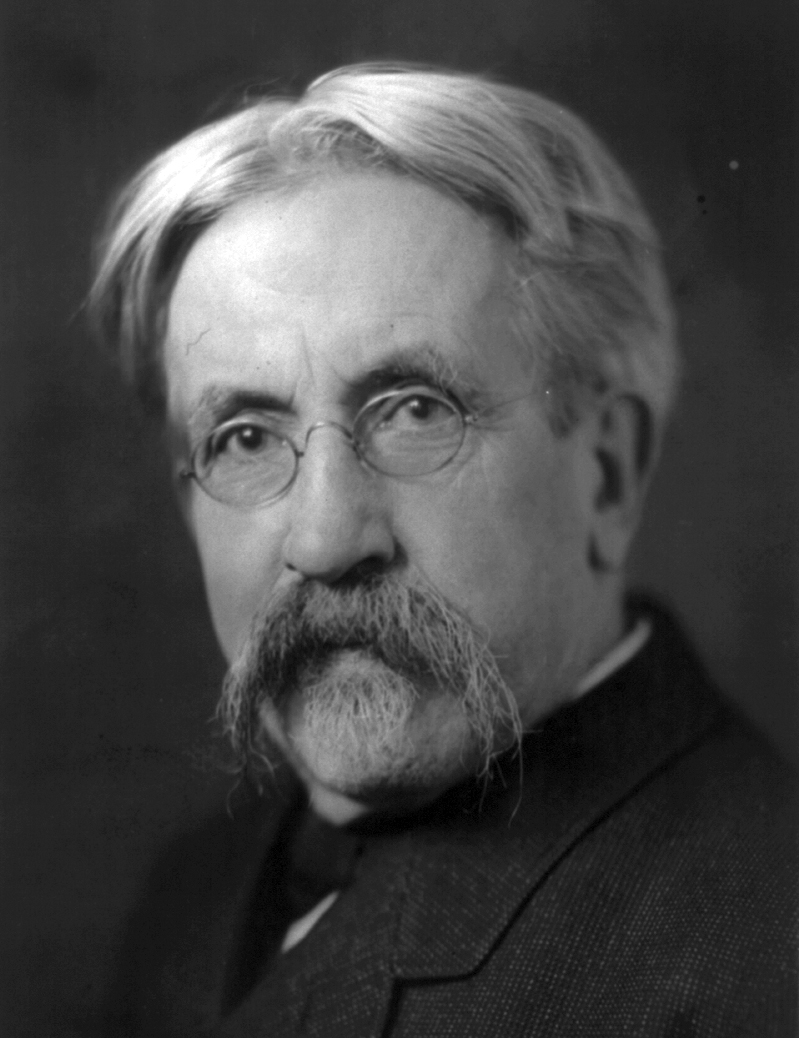
Hugo de Vries
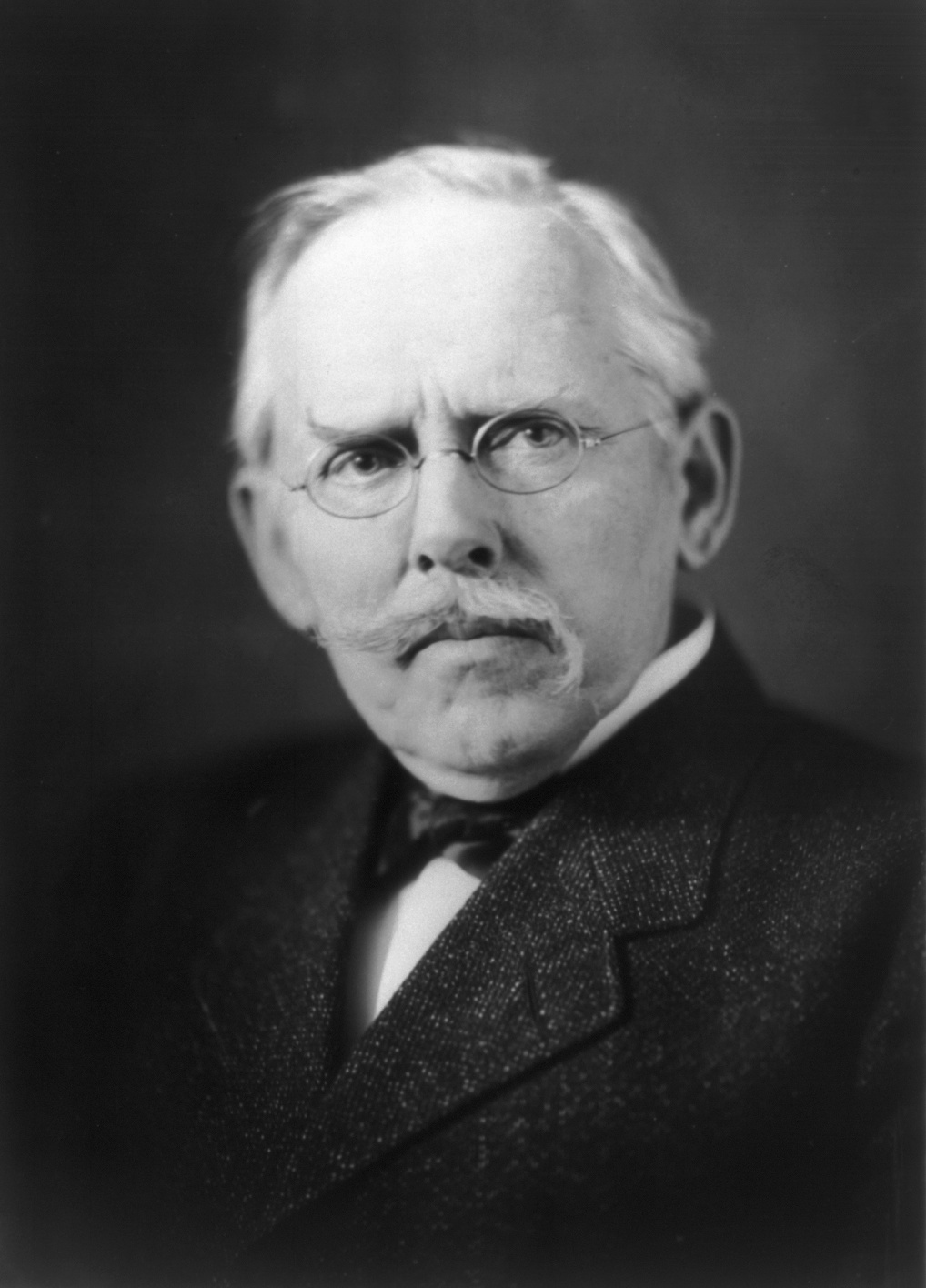
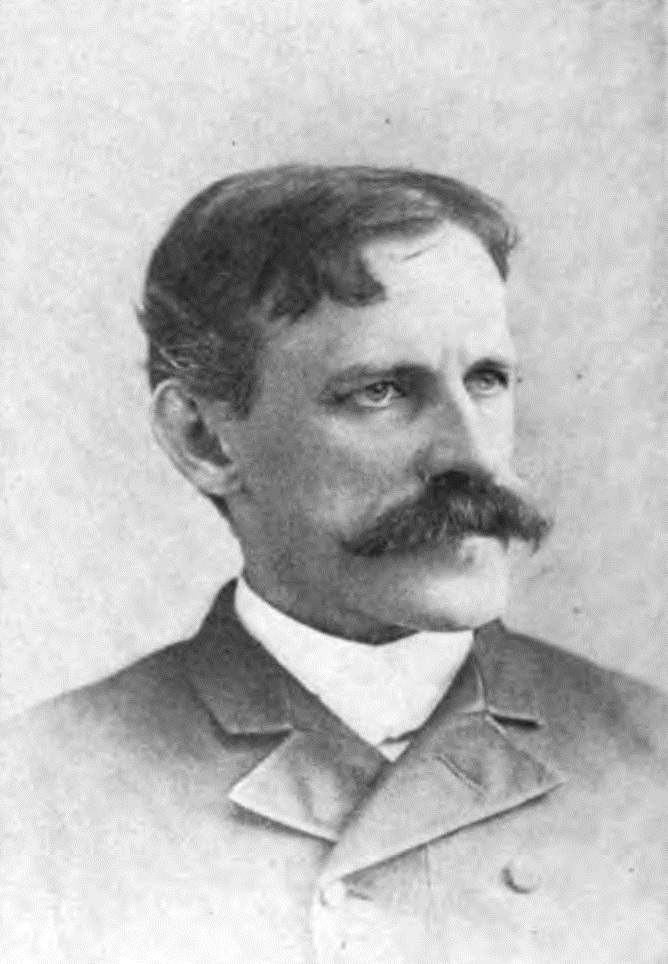
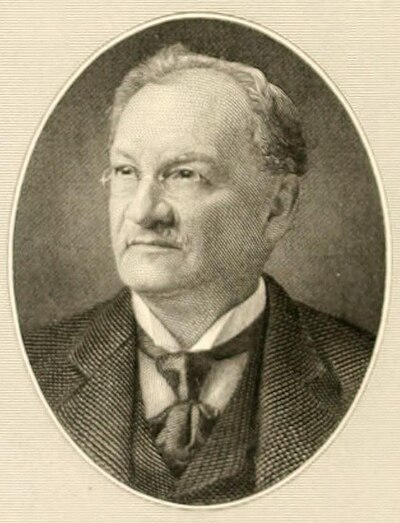
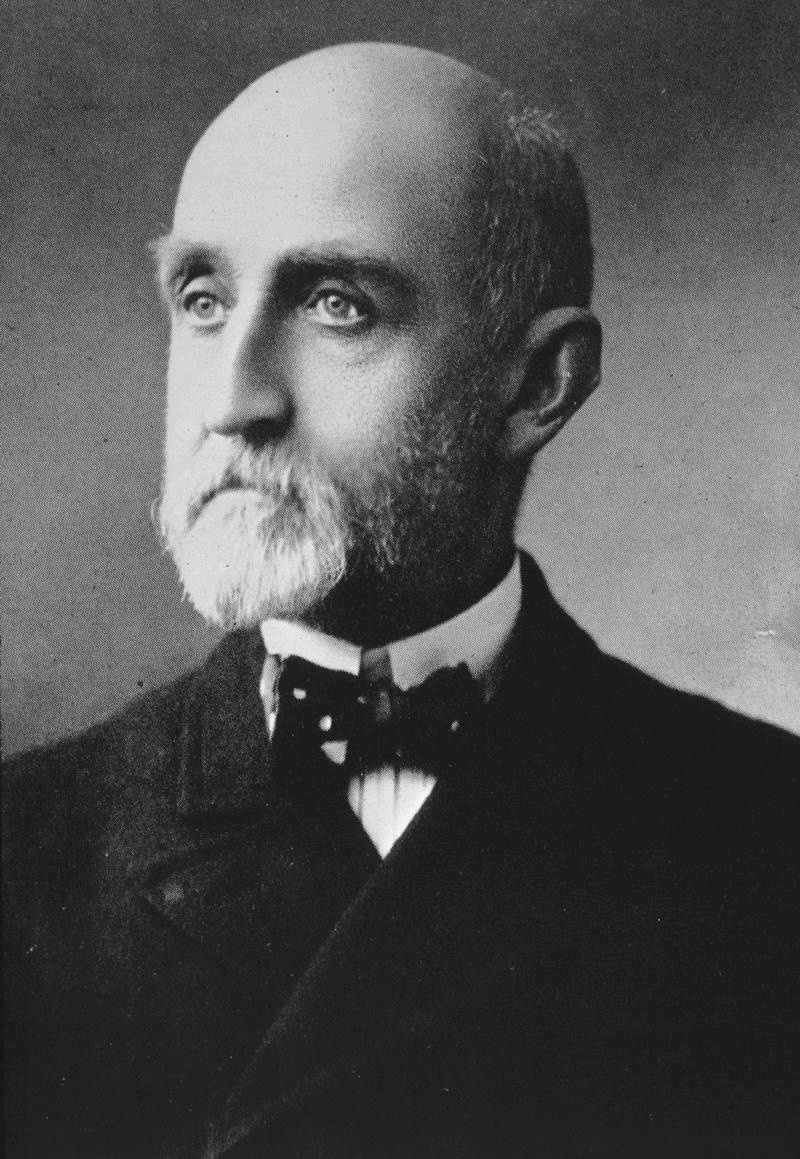
Hugo de Vries was a pioneering Dutch botanist and one of the early figures in the field of genetics. He gained prominence in the late 19th century for his independent rediscovery of Mendelian inheritance, which he articulated through his own research on plant hybridization. De Vries introduced the term 'mutation' to describe sudden changes in species, which became a cornerstone of his mutation theory of evolution. His work laid the groundwork for modern genetics, influencing subsequent research and thought in the biological sciences. De Vries's notable works include 'Die Mutationstheorie', published in 1901, where he elaborated on his theories regarding genetic variation and evolution. His ideas were instrumental in shifting the scientific community's understanding of heredity and evolution, even though he was initially unaware of Gregor Mendel's earlier findings. De Vries's contributions to botany and genetics earned him a lasting legacy as a key figure in the development of evolutionary biology, and his concepts continue to resonate in contemporary genetic research.
Famous Quotes
View all 1 quotes“Modesty is a virtue, yet one gets further without it.”
Books from the author




Link to this page
Add a free, dofollow link to Lex on your blog, forum, syllabus, or reading list.

<a href="https://lex-books.com/author/hugo-de-vries"><img src="https://lex-books.com/badges/read-on-lex.svg" alt="Hugo de Vries on Lex" width="160" height="40"></a>[](https://lex-books.com/author/hugo-de-vries)[url=https://lex-books.com/author/hugo-de-vries][img]https://lex-books.com/badges/read-on-lex.svg[/img][/url]Hugo de Vries on Lex: https://lex-books.com/author/hugo-de-vries