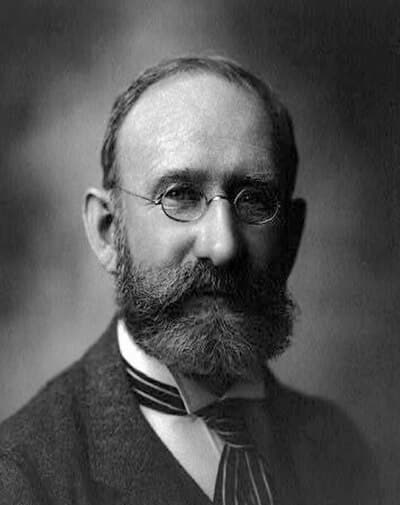
Henry W. Henshaw
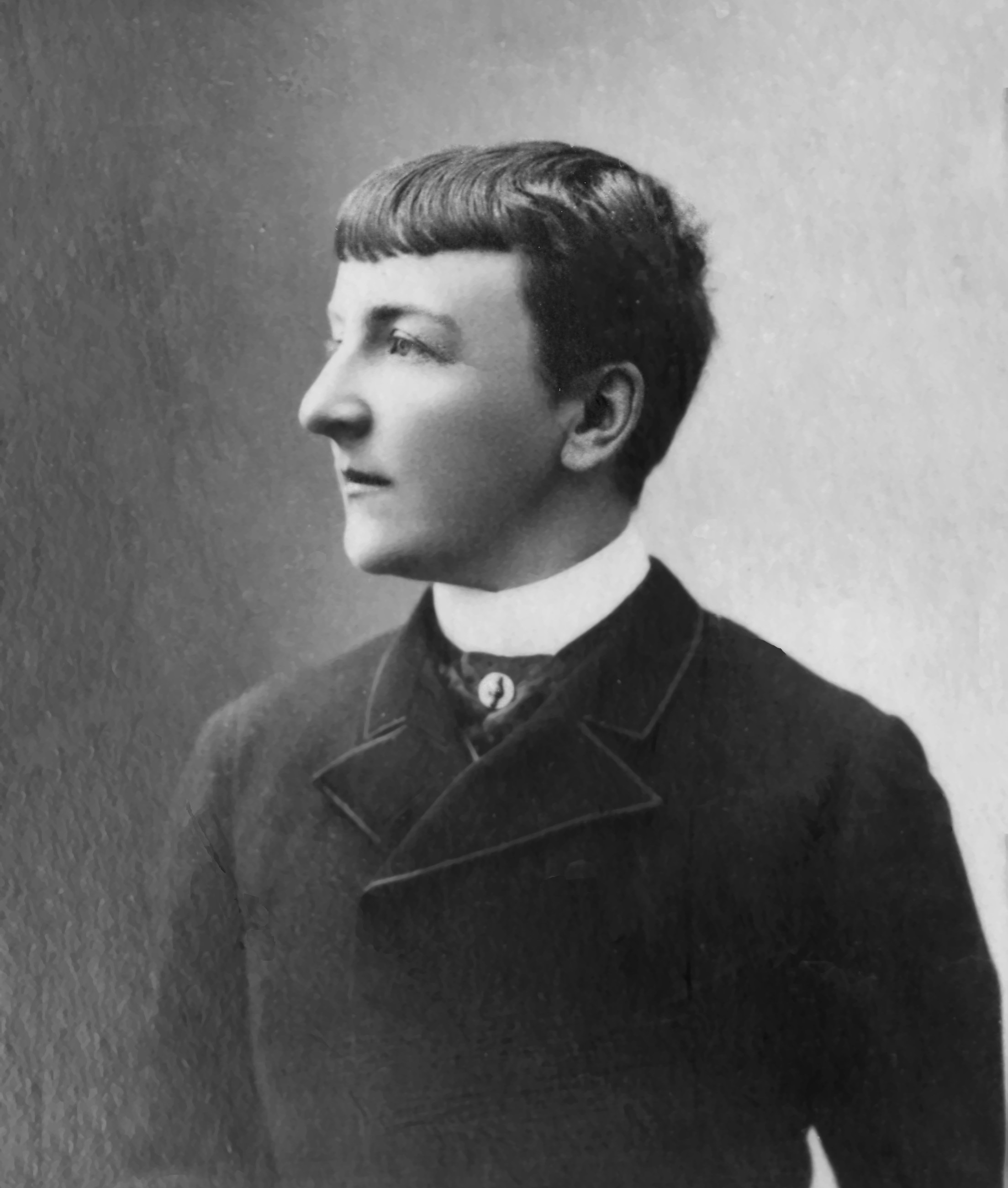
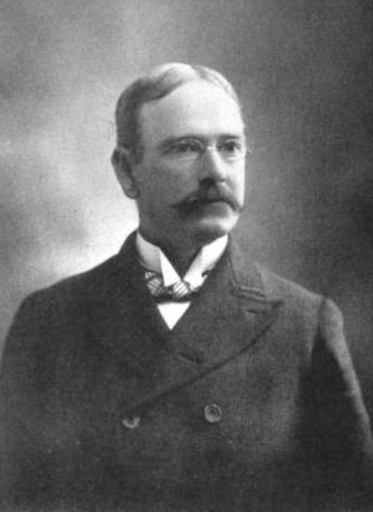
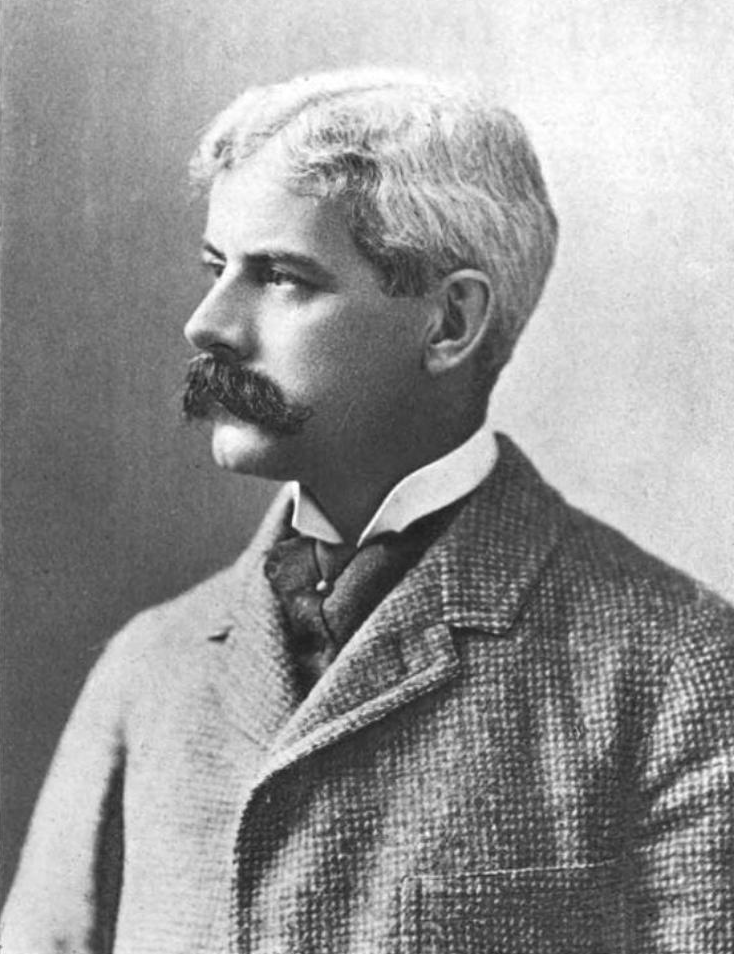
Henry W. Henshaw was an American ornithologist and ethnologist, recognized for his contributions to the study of animal carvings and prehistoric cultures in North America. His most notable work, "Animal Carvings from Mounds of the Mississippi Valley," published as part of the Second Annual Report of the Bureau of Ethnology, provided significant insights into the artistic expressions of ancient Native American cultures. In this report, Henshaw meticulously documented various animal carvings found in burial mounds, analyzing their cultural significance and the techniques used by the artisans of the time. Henshaw's work not only advanced the understanding of prehistoric art but also contributed to the broader field of anthropology by emphasizing the importance of material culture in interpreting the lives of ancient peoples. His dedication to field research and his detailed observations helped lay the groundwork for future studies in both archaeology and ethnology. Through his scholarly efforts, Henshaw left a lasting legacy in the study of Native American history and the artistic heritage of the Mississippi Valley region.
Books from the author




Link to this page
Add a free, dofollow link to Lex on your blog, forum, syllabus, or reading list.

<a href="https://lex-books.com/author/henry-w-henshaw"><img src="https://lex-books.com/badges/read-on-lex.svg" alt="Henry W. Henshaw on Lex" width="160" height="40"></a>[](https://lex-books.com/author/henry-w-henshaw)[url=https://lex-books.com/author/henry-w-henshaw][img]https://lex-books.com/badges/read-on-lex.svg[/img][/url]Henry W. Henshaw on Lex: https://lex-books.com/author/henry-w-henshaw