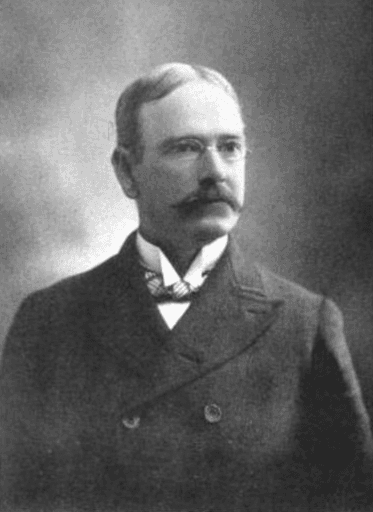
W. C. Morrow
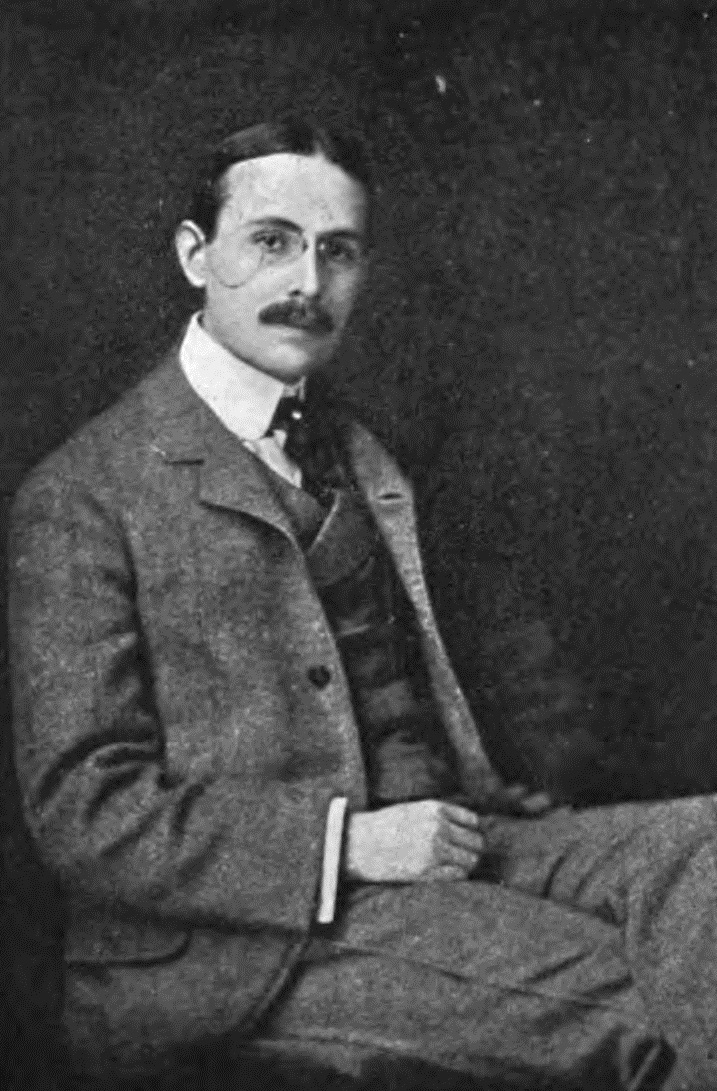
W. C. Morrow was an American writer celebrated for his contributions to the horror and suspense genres in the late 19th and early 20th centuries. His most renowned work, 'His Unconquerable Enemy,' published in 1889, tells the chilling tale of a servant who exacts revenge after being cruelly mutilated by a rajah. This story, notable for its exploration of themes such as vengeance and the human spirit's resilience, has been widely anthologized and remains a significant example of early horror fiction. Morrow's writing is characterized by its psychological depth and a keen understanding of human emotions, which set him apart from many of his contemporaries. His ability to evoke fear and suspense through intricate storytelling has influenced later writers in the genre. Although not as widely recognized today, Morrow's works contributed to the evolution of horror literature, paving the way for future authors to explore darker themes and complex characters in their narratives.
Books from the author














Link to this page
Add a free, dofollow link to Lex on your blog, forum, syllabus, or reading list.

<a href="https://lex-books.com/author/w-c-morrow"><img src="https://lex-books.com/badges/read-on-lex.svg" alt="W. C. Morrow on Lex" width="160" height="40"></a>[](https://lex-books.com/author/w-c-morrow)[url=https://lex-books.com/author/w-c-morrow][img]https://lex-books.com/badges/read-on-lex.svg[/img][/url]W. C. Morrow on Lex: https://lex-books.com/author/w-c-morrow