
Henry Ossian Flipper
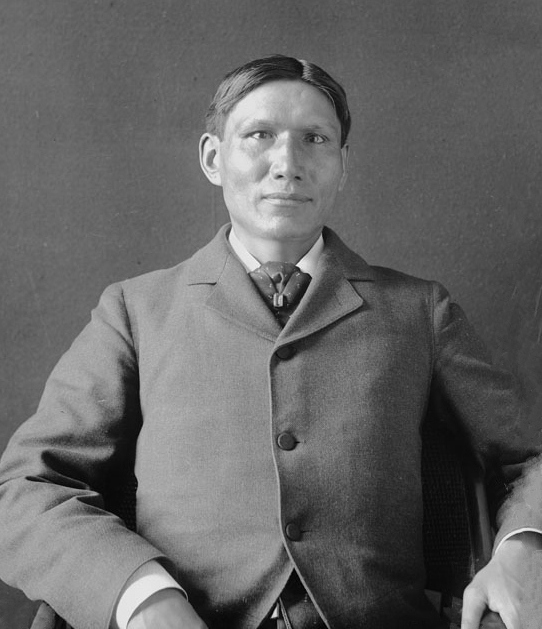
Henry Ossian Flipper was a pioneering figure in American history, recognized as the first African American to graduate from the United States Military Academy at West Point in 1877. Born into slavery, Flipper overcame significant barriers to earn a commission as a second lieutenant in the U.S. Army, where he served with the all-black 10th Cavalry, also known as the Buffalo Soldiers. His military career was marked by notable service during the Apache Wars and the Victorio Campaign, where he demonstrated leadership and competence despite facing racial prejudice and unfounded allegations that ultimately led to his court-martial and dismissal from the Army. After his military career, Flipper transitioned to a role as an engineer and worked extensively in Mexico and Latin America, contributing to various projects as an assistant to the Secretary of the Interior. He also authored works that reflected on his life experiences and scientific topics, further establishing his legacy as a multifaceted individual. Flipper's contributions to military history and his role as a trailblazer for African Americans in the armed forces continue to be recognized, solidifying his place in the narrative of American resilience and achievement against adversity.
Famous Quotes
View all 3 quotes“Isn't it strange how some people strive to drag everything into politics! A political reason is assigned to everything, and "everything is politics.”
“The one principle which has controlled my conduct while a cadet, and which is apparent throughout my narrative, is briefly this: to find, if possible, for every insult or other offence a reason or motive which is consistent with the character of a gentleman. Whenever I have been insulted, or any thing has been done or said to me which might have that construction, I have endeavored to find some excuse, some reason for it, which was not founded on prejudice or on baseness of character or any other ungentlemanly attribute; or, in other words, I wanted to prove that it was not done because of my color. If I could find such a reason—and I have found them—I have been disposed not only to overlook the offence, but to forgive and forget it.”
“As soon as I show that I have some good qualities, do some act of kindness in spite of insult, my color is forgotten, and I am well treated. Again, I have observed that colored men of character and intellectual ability have been treated as men should be by all, whether friends or enemies; that is to say, no prejudice of color or race has ever been manifested.”
Books from the author





Link to this page
Add a free, dofollow link to Lex on your blog, forum, syllabus, or reading list.

<a href="https://lex-books.com/author/henry-ossian-flipper"><img src="https://lex-books.com/badges/read-on-lex.svg" alt="Henry Ossian Flipper on Lex" width="160" height="40"></a>[](https://lex-books.com/author/henry-ossian-flipper)[url=https://lex-books.com/author/henry-ossian-flipper][img]https://lex-books.com/badges/read-on-lex.svg[/img][/url]Henry Ossian Flipper on Lex: https://lex-books.com/author/henry-ossian-flipper