Henry MacMahon
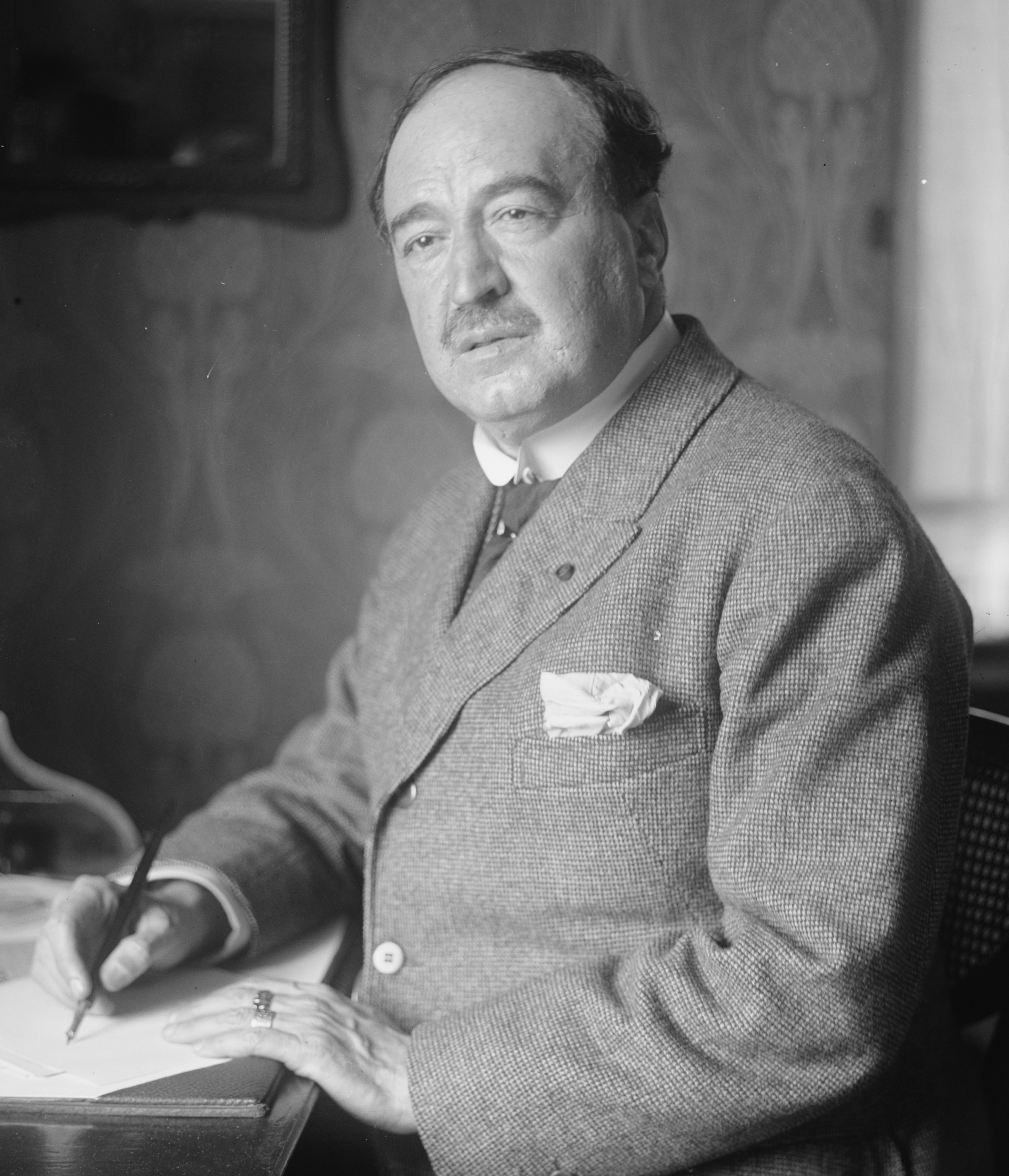
Sir Vincent Arthur Henry McMahon was a prominent British Indian Army officer and diplomat whose career significantly influenced British foreign policy in Asia and the Middle East during the early 20th century. He served as Foreign Secretary in the Government of India from 1911 to 1915, where he was instrumental in the tripartite negotiations that culminated in the Simla Convention, an agreement that, despite China's refusal to sign, shaped British relations with Tibet until 1947. His diplomatic efforts were marked by a keen understanding of the geopolitical complexities of the region, particularly in the context of British interests in Tibet and China. Following his tenure in India, McMahon became the High Commissioner in Egypt from 1915 to 1917, where he is best remembered for the McMahon-Hussein Correspondence. This correspondence with Hussein bin Ali, the Sharif of Mecca, was pivotal in garnering Arab support during World War I against the Ottoman Empire. His role in these negotiations was further immortalized in T.E. Lawrence's 'Seven Pillars of Wisdom,' which chronicled the Arab Revolt. McMahon's career ended amid controversy following the exposure of the Sykes-Picot Agreement, leading to his resignation in 1917. His legacy lies in his significant contributions to British diplomacy and the shaping of Middle Eastern politics during a transformative period in history.
Books from the author


Link to this page
Add a free, dofollow link to Lex on your blog, forum, syllabus, or reading list.

<a href="https://lex-books.com/author/henry-macmahon"><img src="https://lex-books.com/badges/read-on-lex.svg" alt="Henry MacMahon on Lex" width="160" height="40"></a>[](https://lex-books.com/author/henry-macmahon)[url=https://lex-books.com/author/henry-macmahon][img]https://lex-books.com/badges/read-on-lex.svg[/img][/url]Henry MacMahon on Lex: https://lex-books.com/author/henry-macmahon