Men of the Old Stone Age: Their Environment, Life and Art
1869

Men of the Old Stone Age: Their Environment, Life and Art
1869
In 1915, a leading American paleontologist embarked on a revelatory journey through the cave-studded hills of southern France, guided by the very archaeologists who were rewriting human history. Henry Fairfield Osborn walked the sites where mammoth hunters had lived 25,000 years earlier, where artists had painted the walls of Lascaux, and where the deepest layers of human habitation stretched back an almost incomprehensible 100,000 years. This book is the record of that expedition, a meticulous synthesis of geology, paleontology, and archaeology that attempted to reconstruct the lives of our ancestors when Europe was a colder, stranger place teeming with creatures that no longer exist.Osborn writes with the兴奋 of discovery, conveying the profound shock of realizing that intelligent beings with minds like our own, yet unformed by education or tradition, had built communities, created art, and mastered their environment far longer ago than any civilization we traditionally study. In contrast to Egypt, Mesopotamia, or Greece, he argues, this corner of France represents something far older and more fundamental: the unbroken birthplace of human culture itself.For readers who want to understand not just what we have learned about human origins, but how we first began to learn it, this volume remains a fascinating window into the birth of modern paleoanthropology.
Editions
X-Ray
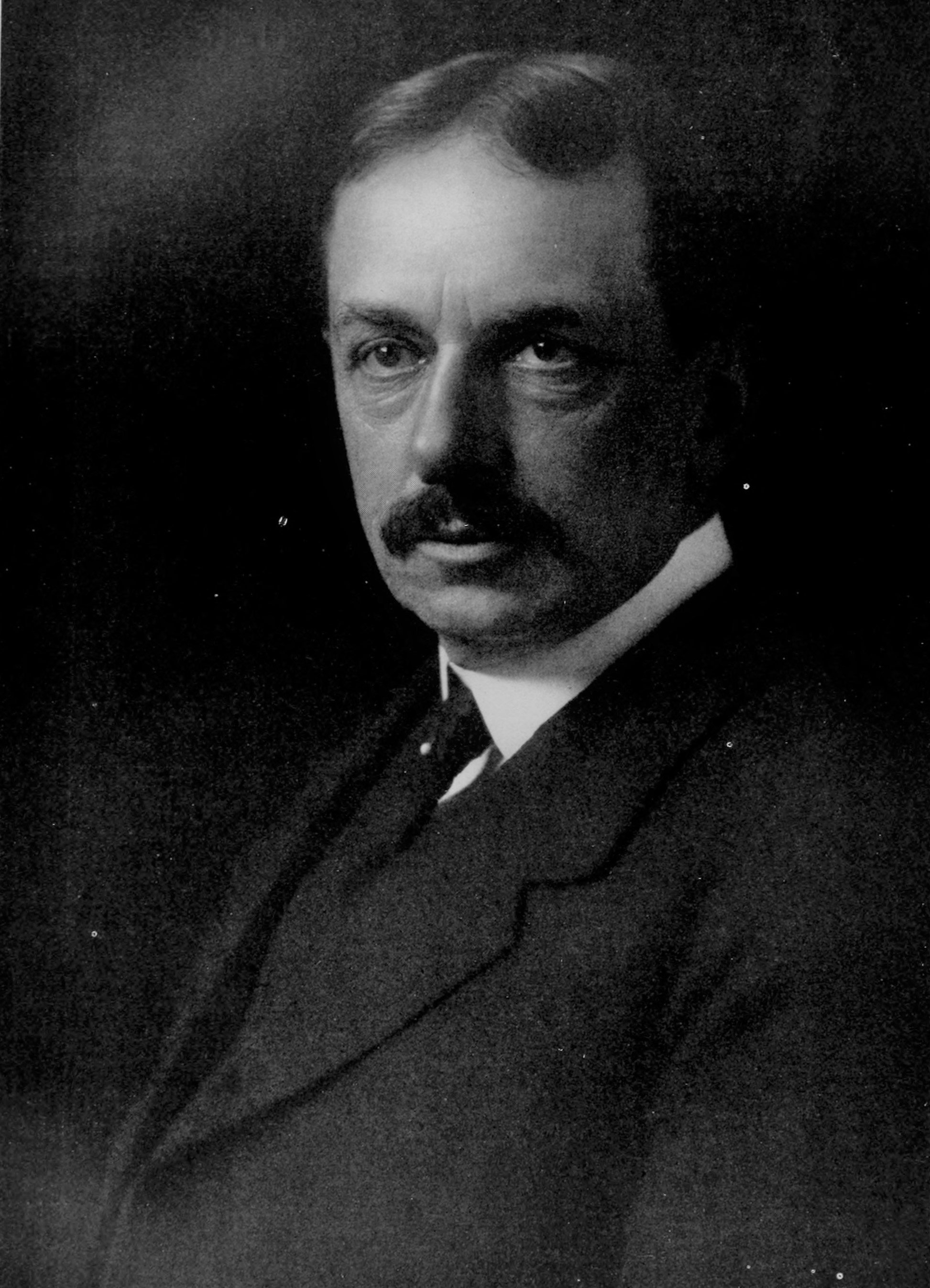
The author and narrator, a distinguished paleontologist and research professor who guides readers through the prehistory of Old Stone Age man. He presents scientific evidence and theories about human evolution with authority and scholarly rigor.
Distinguished French archaeologist who guided Osborn through Paleolithic sites. A leading expert on prehistoric caves and cultures of the Pyrenees region.
Renowned French archaeologist and expert on Upper Paleolithic art. Known for his work on cave paintings and establishing chronology of art development.
German archaeologist and expert on Lower Paleolithic cultures. Conducted important excavations at Castillo cave in northern Spain.
About Men of the Old Stone Age: Their Environment, Life and Art
Chapter Summaries
- Introduction
- Osborn traces the history of ideas about human origins from ancient Greek philosophers like Lucretius to modern archaeological discoveries. He outlines the development of anthropology and archaeology as sciences, establishing the framework for understanding the Old Stone Age.
- 1
- Covers the ancestry of anthropoid apes, the transition from Pliocene to Pleistocene times, and the first glaciation. Introduces Pithecanthropus (Java ape-man) as the earliest known human ancestor and discusses primitive stone tools (eoliths).
- 2
- Details the arrival of the first true toolmakers in Europe during the Third Interglacial period. Discusses the Piltdown race, early flint industries, and the development of increasingly sophisticated stone tools through Chellean and Acheulean periods.
Key Themes
- Human Evolution and Progress
- Osborn traces the gradual development of human intelligence, technology, and culture from primitive ape-men to sophisticated artists. He emphasizes the progressive nature of human development despite setbacks.
- Environmental Determinism
- Climate changes and glacial periods profoundly shaped human migration, cultural development, and survival. The Ice Age created both challenges and opportunities that drove human evolution.
- Scientific Method and Discovery
- The book celebrates the systematic archaeological and geological work that revealed human prehistory. Osborn emphasizes the importance of careful observation and interdisciplinary collaboration.
Characters
- Henry Fairfield Osborn(protagonist)
- The author and narrator, a distinguished paleontologist and research professor who guides readers through the prehistory of Old Stone Age man. He presents scientific evidence and theories about human evolution with authority and scholarly rigor.
- Émile Cartailhac(major)
- Distinguished French archaeologist who guided Osborn through Paleolithic sites. A leading expert on prehistoric caves and cultures of the Pyrenees region.
- Henri Breuil(major)
- Renowned French archaeologist and expert on Upper Paleolithic art. Known for his work on cave paintings and establishing chronology of art development.
- Hugo Obermaier(major)
- German archaeologist and expert on Lower Paleolithic cultures. Conducted important excavations at Castillo cave in northern Spain.
- Pithecanthropus (Trinil Race)(major)
- The 'Java ape-man' discovered by Dubois, representing a prehuman stage of evolution. Lived approximately 500,000 years ago with erect posture but primitive brain development.
- Heidelberg Man(major)
- The earliest known human race in Europe, known only from a massive jaw discovered near Heidelberg. Lived during Second Interglacial times among temperate fauna.
Link to this book
Add a free, dofollow link to Lex on your blog, forum, syllabus, or reading list.

<a href="https://lex-books.com/book/men-of-the-old-stone-age-their-environment-life-and-art-a57ca7aa-533e-422d-8c4b-c67ac1f5ab47"><img src="https://lex-books.com/badges/read-on-lex.svg" alt="Read Men of the Old Stone Age: Their Environment, Life and Art by Henry Fairfield Osborn free on Lex" width="160" height="40"></a>[](https://lex-books.com/book/men-of-the-old-stone-age-their-environment-life-and-art-a57ca7aa-533e-422d-8c4b-c67ac1f5ab47)[url=https://lex-books.com/book/men-of-the-old-stone-age-their-environment-life-and-art-a57ca7aa-533e-422d-8c4b-c67ac1f5ab47][img]https://lex-books.com/badges/read-on-lex.svg[/img][/url]Read Men of the Old Stone Age: Their Environment, Life and Art by Henry Fairfield Osborn free on Lex: https://lex-books.com/book/men-of-the-old-stone-age-their-environment-life-and-art-a57ca7aa-533e-422d-8c4b-c67ac1f5ab47Cite this book
Reading this edition for a paper or guide? Copy a citation.
Osborn, Henry Fairfield. Men of the Old Stone Age: Their Environment, Life and Art. Lex, lex-books.com/book/men-of-the-old-stone-age-their-environment-life-and-art-a57ca7aa-533e-422d-8c4b-c67ac1f5ab47.Osborn, H. F. (1869). Men of the Old Stone Age: Their Environment, Life and Art. Lex. https://lex-books.com/book/men-of-the-old-stone-age-their-environment-life-and-art-a57ca7aa-533e-422d-8c4b-c67ac1f5ab47Osborn, Henry Fairfield. Men of the Old Stone Age: Their Environment, Life and Art. Lex. https://lex-books.com/book/men-of-the-old-stone-age-their-environment-life-and-art-a57ca7aa-533e-422d-8c4b-c67ac1f5ab47.