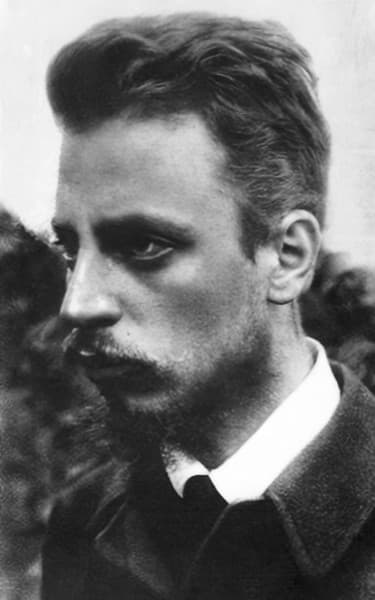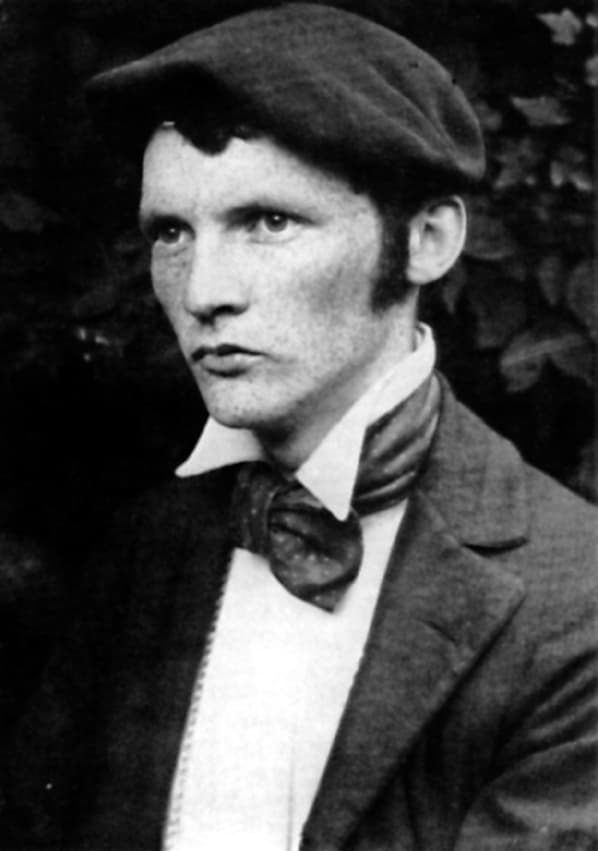
Heinrich Vogeler
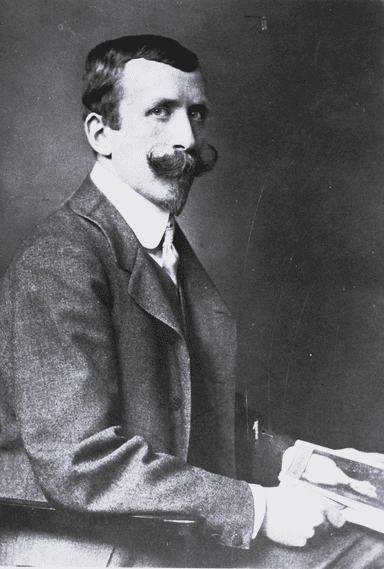
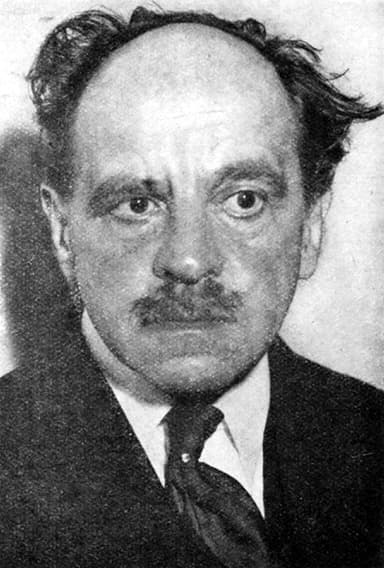
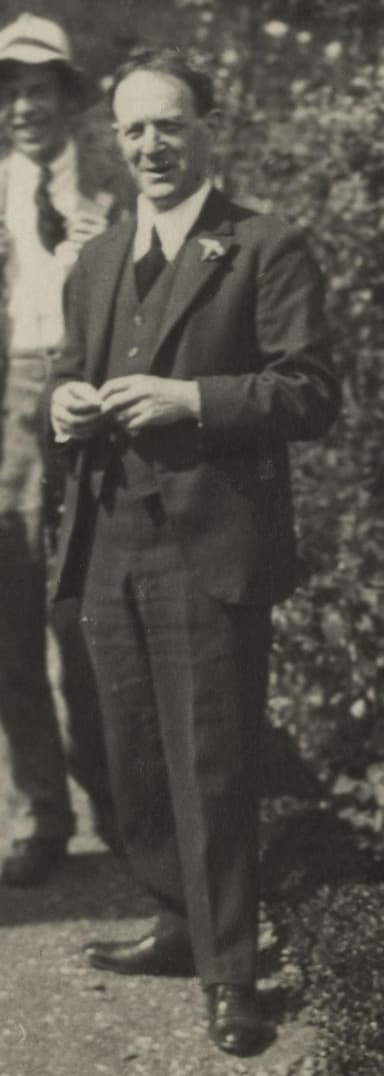
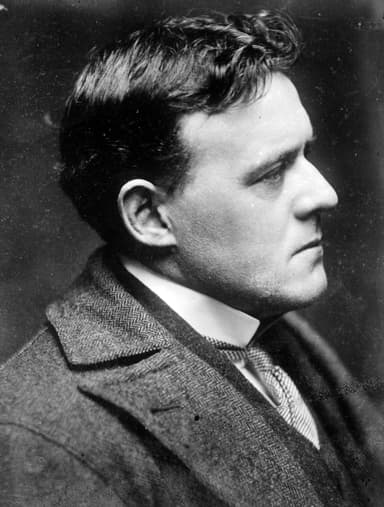
Heinrich Vogeler was a prominent German painter, designer, and architect, known for his association with the Düsseldorf school of painting. Born in 1872, he initially gained recognition for his vivid and imaginative works that often depicted idyllic landscapes and scenes infused with a sense of romanticism. His artistic style evolved over time, reflecting the influences of various movements, including Art Nouveau, which is evident in his decorative designs and illustrations. Vogeler's work was characterized by a strong connection to nature and an idealistic vision of life, making him a significant figure in early 20th-century German art. In addition to his painting, Vogeler was an accomplished designer and architect, contributing to the development of the artists' colony in Worpswede, where he played a crucial role in fostering a community of creative individuals. His notable works include the design of the Barkenhoff, a house that served as both his residence and a center for artistic collaboration. Vogeler's legacy lies not only in his artistic contributions but also in his commitment to social issues, particularly during the tumultuous years of the Weimar Republic and World War II, when he became increasingly involved in leftist politics. His diverse body of work and his dedication to the arts and social causes have solidified his place in the history of German art.