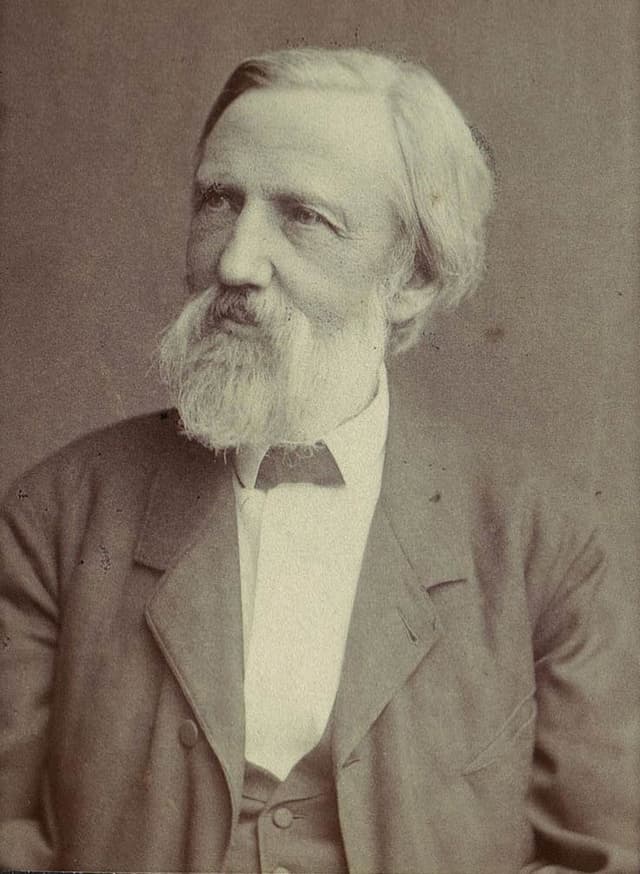
Heinrich Hoffmann
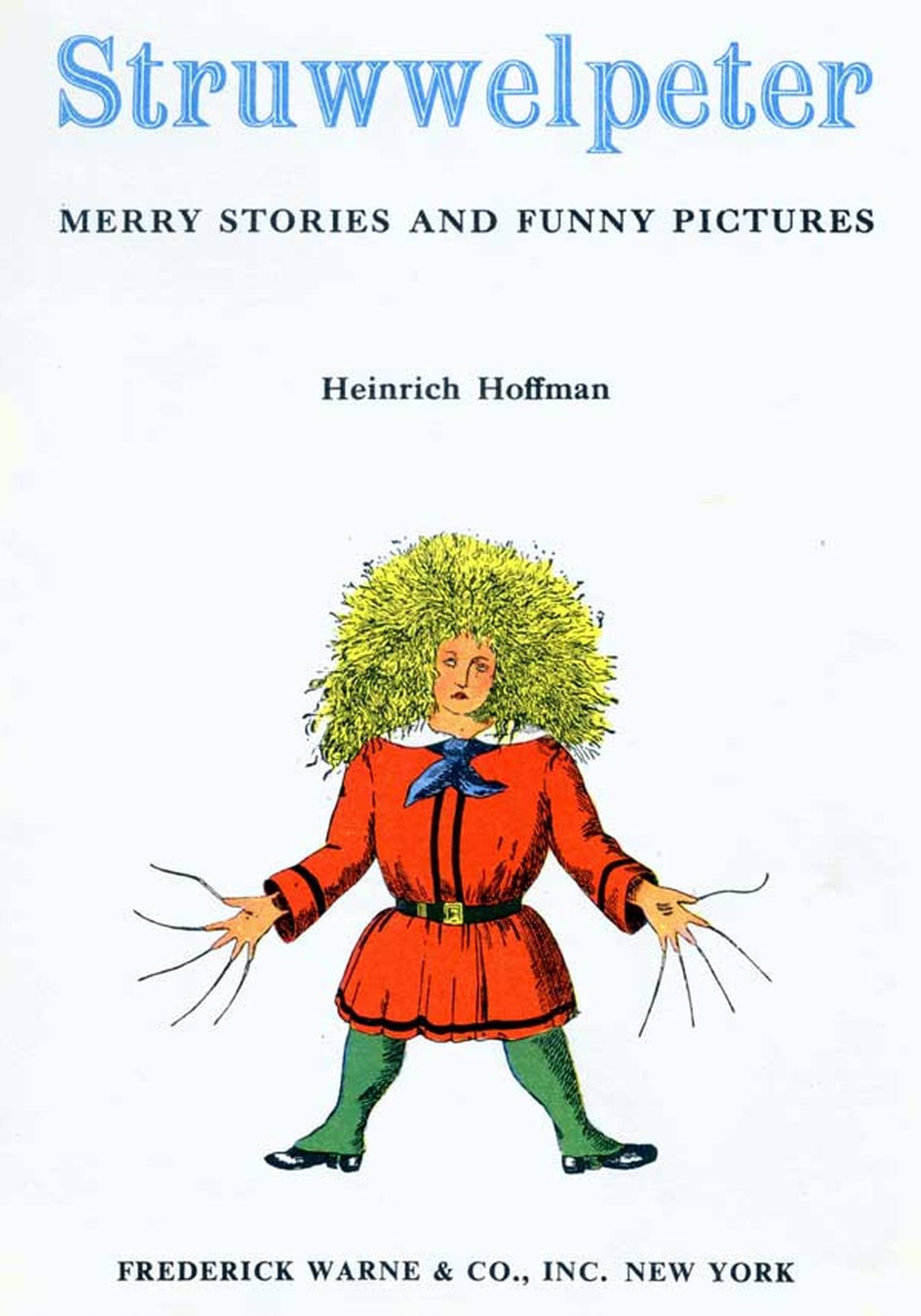
Heinrich Hoffmann was a German psychiatrist best known for his influential children's book, Der Struwwelpeter, published in 1845. This illustrated work, featuring cautionary tales about misbehaving children, became a staple of German literature and has been translated into numerous languages. Hoffmann's unique blend of moral lessons and whimsical illustrations captured the imaginations of both children and adults, making his stories memorable and impactful across generations. Beyond his literary contributions, Hoffmann's background as a psychiatrist informed his understanding of child behavior, allowing him to address themes of discipline and morality in a way that resonated with parents. His work not only entertained but also served as a reflection of societal attitudes towards childhood and misbehavior during the 19th century. Hoffmann's legacy endures through the continued popularity of Der Struwwelpeter, which remains a significant work in the canon of children's literature, illustrating the complexities of childhood and the consequences of misdeeds.
Famous Quotes
View all 1 quotes“It almost makes me cry to tell, what foolish Harriet befell.””
Books from the author






Link to this page
Add a free, dofollow link to Lex on your blog, forum, syllabus, or reading list.

<a href="https://lex-books.com/author/heinrich-hoffmann"><img src="https://lex-books.com/badges/read-on-lex.svg" alt="Heinrich Hoffmann on Lex" width="160" height="40"></a>[](https://lex-books.com/author/heinrich-hoffmann)[url=https://lex-books.com/author/heinrich-hoffmann][img]https://lex-books.com/badges/read-on-lex.svg[/img][/url]Heinrich Hoffmann on Lex: https://lex-books.com/author/heinrich-hoffmann