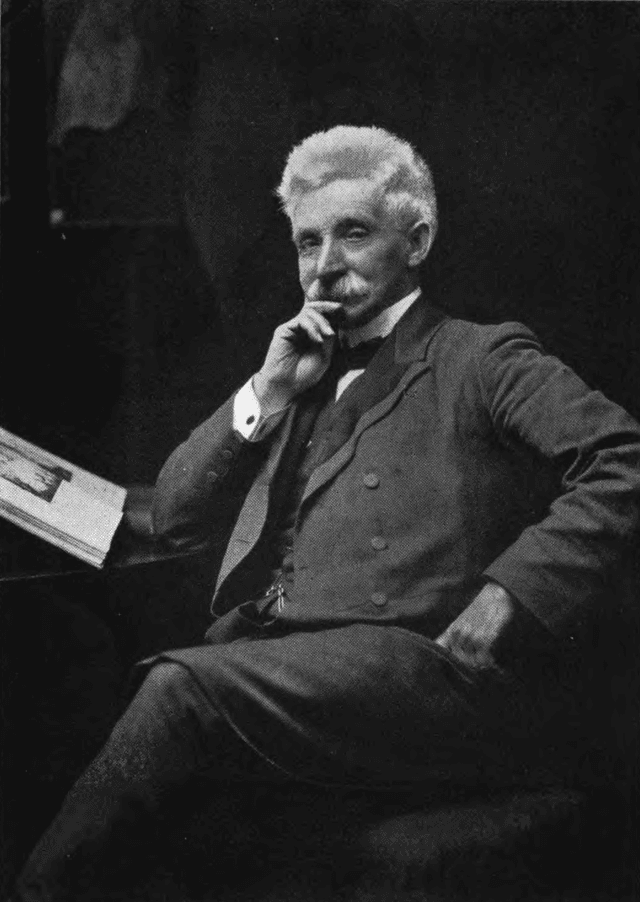
Hector Macpherson
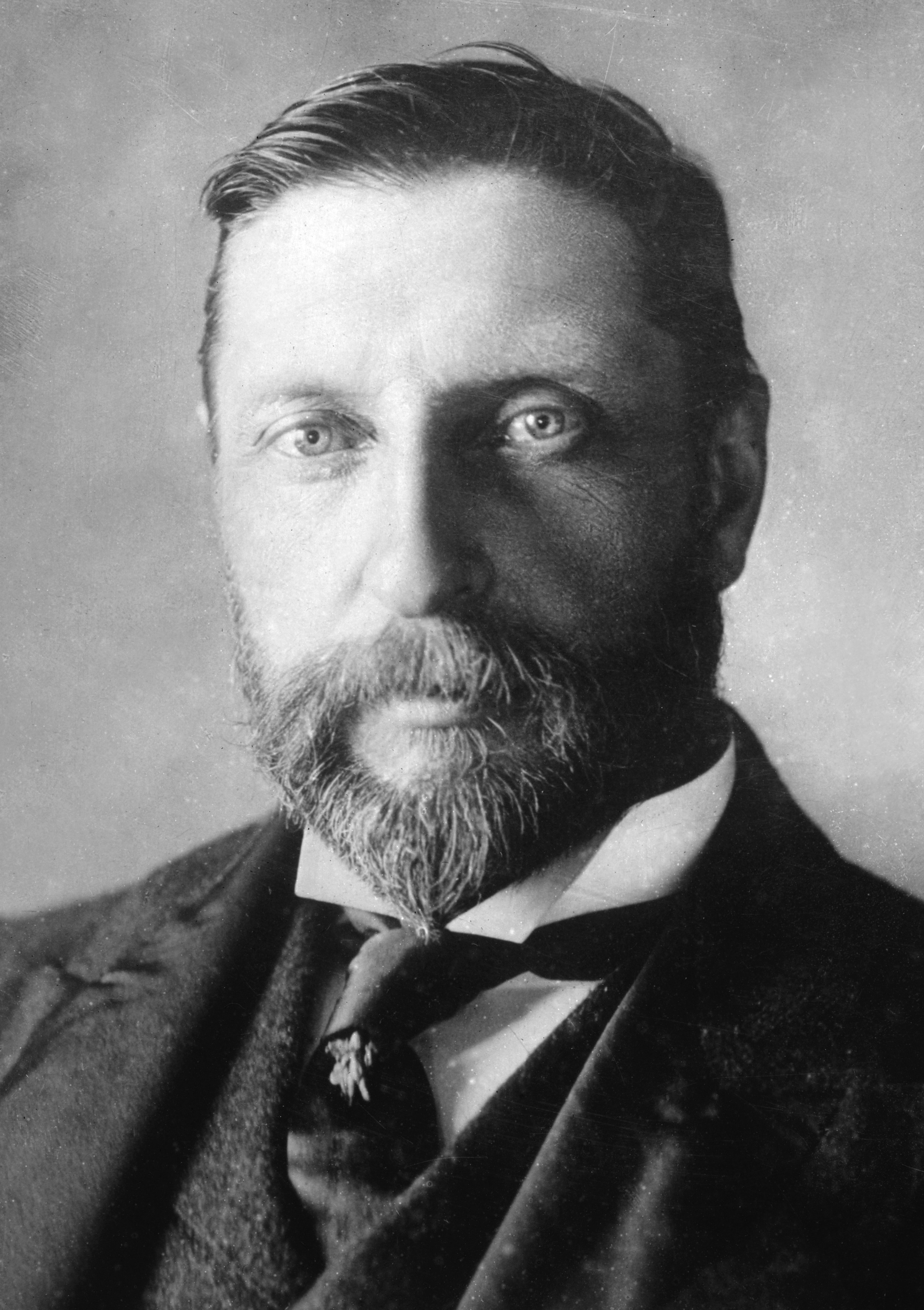
Hector Carsewell Macpherson was a prolific Scottish writer and journalist known for his diverse contributions to literature, history, and politics. Born in 1851, he dedicated his life to exploring various subjects through a multitude of books, pamphlets, and articles. His writings often reflected his keen interest in biography and religion, showcasing a depth of knowledge that resonated with readers of his time. Macpherson's ability to weave historical narratives with contemporary issues made his work significant in the context of Scottish literature and journalism. Among his notable works, Macpherson is remembered for his biographical accounts that shed light on influential figures and events, as well as his insightful commentary on political and religious matters. His literary output not only enriched the cultural landscape of Scotland but also contributed to the broader discourse on the role of journalism in society. Macpherson's legacy endures through his extensive body of work, which continues to be a valuable resource for understanding the complexities of his era and the evolution of Scottish thought.
Famous Quotes
View all 2 quotes“Carlyle's genius was many-sided. He touched and ennobled the national life at all points. He lifted a whole generation of young men out of the stagnating atmosphere of materialism and dead orthodoxy into the region of the ideal. With the Master of Balliol, we believe that 'no English writer has done more to elevate and purify our ideas of life and to make us conscious that the things of the spirit are real, and that in the last resort there is no other reality.””
“Henry Ward Beecher used the parade and the IWA’s eight-hour-day battle to hector the working poor from the pulpit. Fewer hours would tend “to make men feel that work is not a good thing… hard knocks, and a good many of them” were the only way to “carve out independent fortunes.” Beecher admitted that underpaid workers could not make enough in an eight-hour day to advance from their lowly state at their present pay, but he neglected to denounce the owners who paid them so poorly. Working longer hours was his Christian solution.””
Books from the author




Link to this page
Add a free, dofollow link to Lex on your blog, forum, syllabus, or reading list.

<a href="https://lex-books.com/author/hector-macpherson"><img src="https://lex-books.com/badges/read-on-lex.svg" alt="Hector Macpherson on Lex" width="160" height="40"></a>[](https://lex-books.com/author/hector-macpherson)[url=https://lex-books.com/author/hector-macpherson][img]https://lex-books.com/badges/read-on-lex.svg[/img][/url]Hector Macpherson on Lex: https://lex-books.com/author/hector-macpherson