
Han Ryner
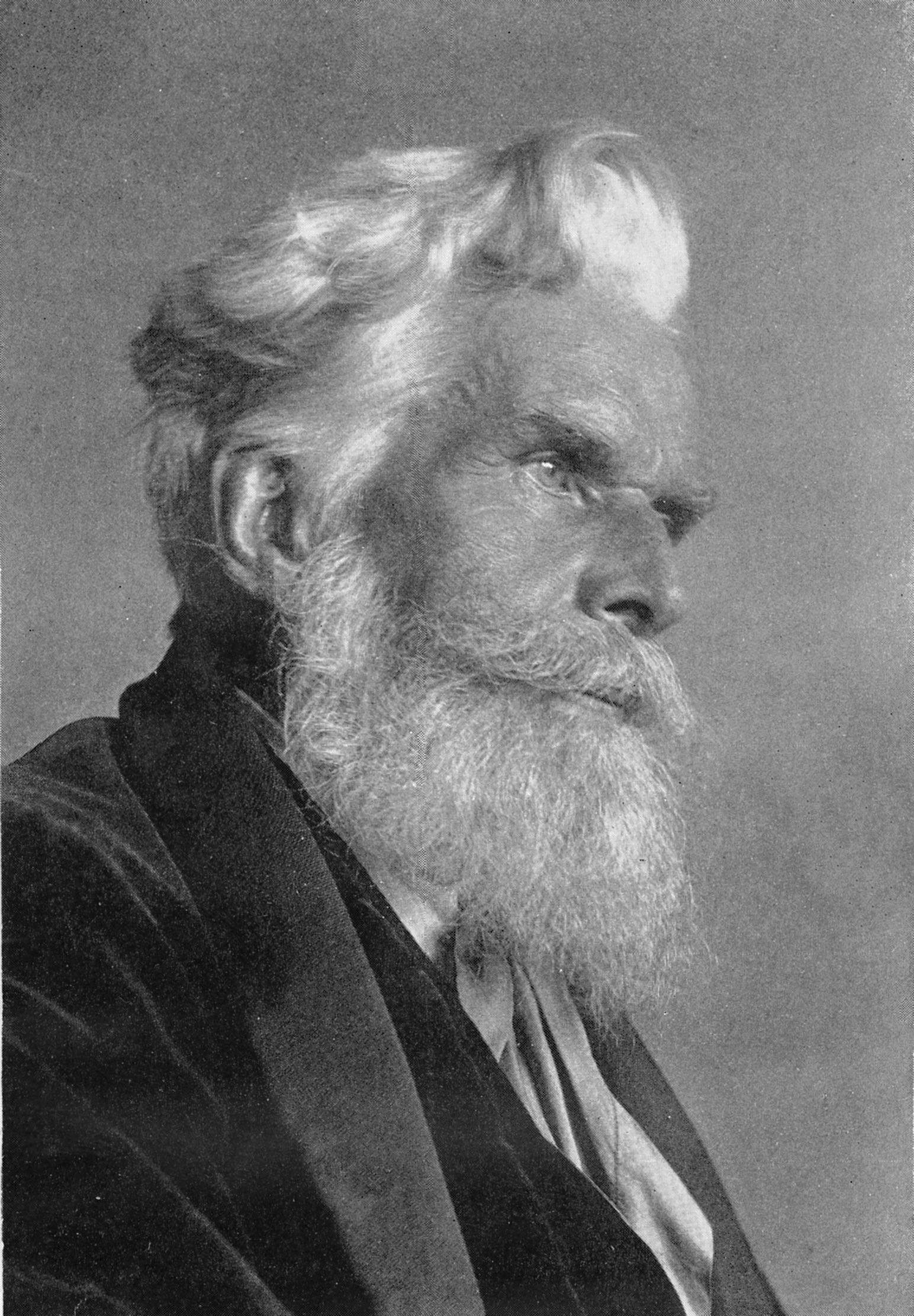
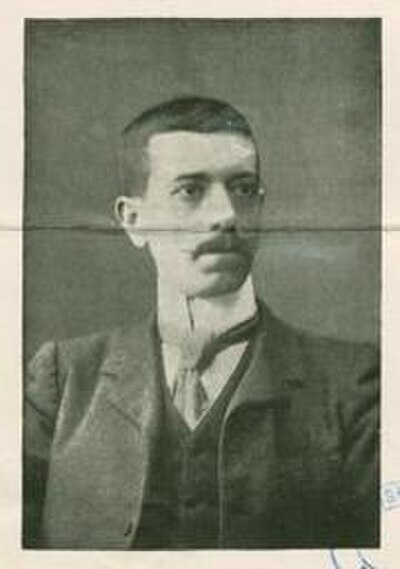
Han Ryner, born Jacques Élie Henri Ambroise Ner, was a French philosopher, novelist, and prominent figure in the individualist anarchist movement. His writings reflected a deep engagement with Stoicism and Epicureanism, emphasizing personal freedom and the critique of societal norms. Ryner contributed to various anarchist publications, including L'Art social and L'Humanité nouvelle, where he articulated his philosophical ideas and advocated for a life led by individual conscience rather than imposed authority. As a novelist, Ryner's works often explored themes of autonomy and the human condition, with notable titles such as 'Les aventures de l'âme' and 'Le livre des hommes.' His literary contributions were significant in shaping the discourse around anarchism and individualism in early 20th-century France. Ryner's legacy lies in his ability to intertwine philosophical thought with narrative, making complex ideas accessible through fiction, and his influence can be seen in the works of later anarchist writers and thinkers who sought to challenge the status quo through literature.
Famous Quotes
View all 1 quotes“An individual is a complex, indefinable object. And so only the individual possesses something that can without lying be called existence. As the Cynic philosophers already knew, nothing real, nothing concrete is definable. The necessities of thought, speech, of science and action force us to act as if the definable exists. Let us consent to this, while all the while smiling at the inevitable. But we should never forget that no word can give us the essence of a being, not even my own essence, and that no thought, whatever good will and sympathy might animate it, will ever penetrate the essence of another. Our most beautiful, strongest, most penetrating truths glory — modestly — in being but lesser lies. The more I strive to seize the concrete, the more my formulas become complex and hesitant, then the more I become irritated at not being able to make them flexible and mobile. Whenever I pronounce absolute words I know I am speaking in the abstract and that I am speaking of the void.”
Books from the author





Link to this page
Add a free, dofollow link to Lex on your blog, forum, syllabus, or reading list.

<a href="https://lex-books.com/author/han-ryner"><img src="https://lex-books.com/badges/read-on-lex.svg" alt="Han Ryner on Lex" width="160" height="40"></a>[](https://lex-books.com/author/han-ryner)[url=https://lex-books.com/author/han-ryner][img]https://lex-books.com/badges/read-on-lex.svg[/img][/url]Han Ryner on Lex: https://lex-books.com/author/han-ryner