
Grafton Elliot Smith
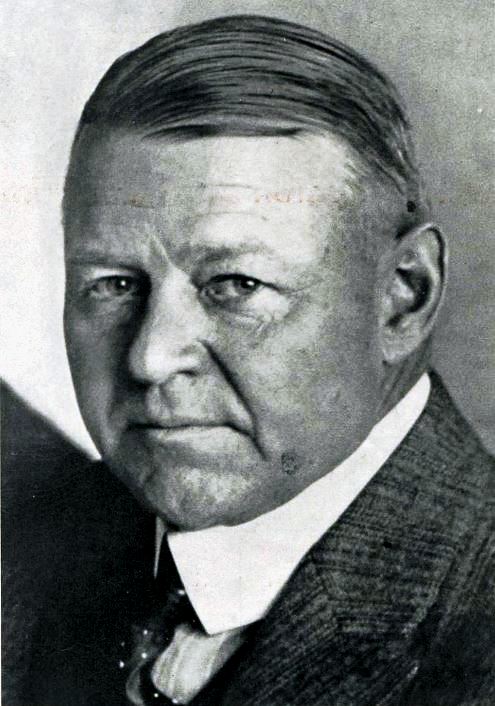
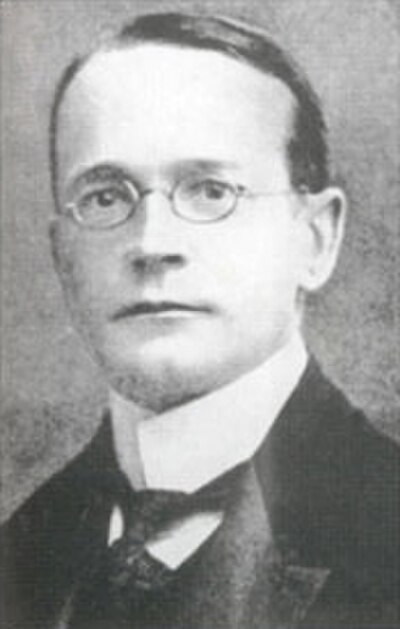
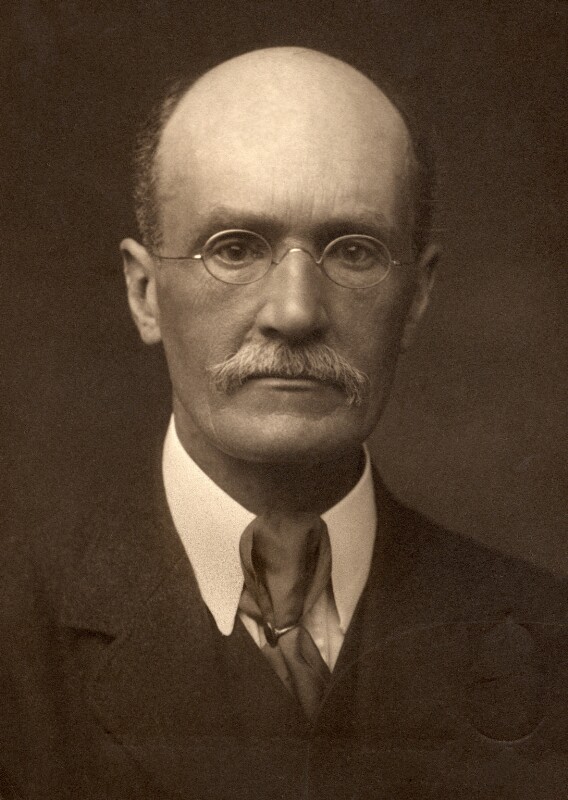
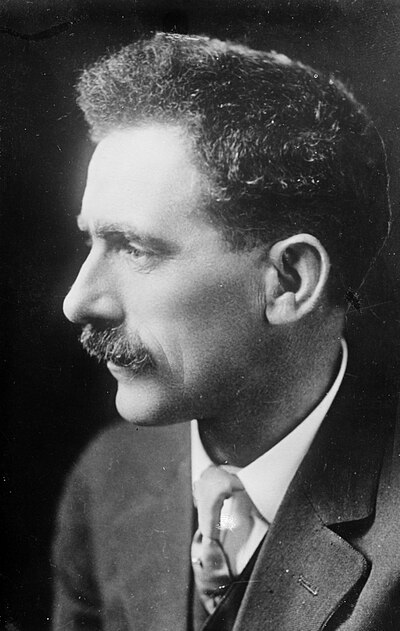
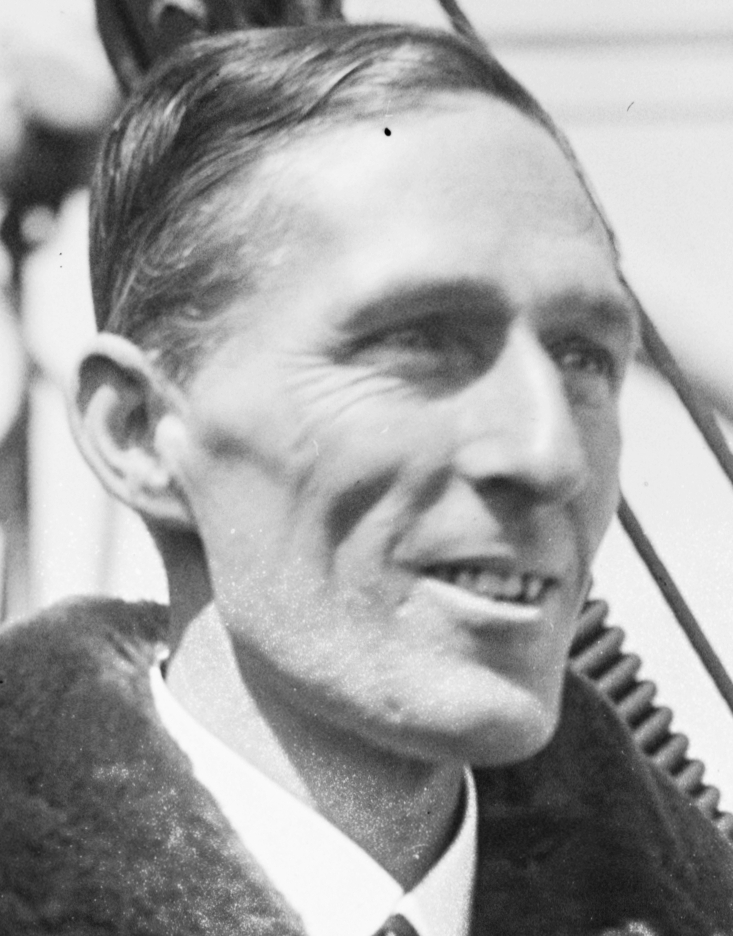
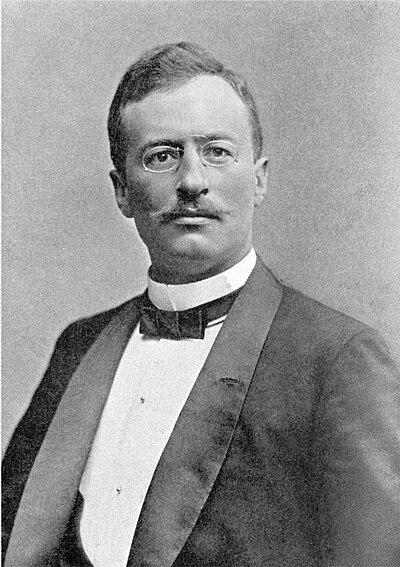
Sir Grafton Elliot Smith was an influential Australian-British anatomist and Egyptologist, renowned for his pioneering work in the study of human anatomy and ancient cultures. He was a prominent advocate of the hyperdiffusionist theory, which posited that cultural innovations originated in a single location and subsequently spread across the globe. Smith's research led him to trace various cultural practices back to ancient Egypt, asserting that many traditions in the New World and beyond were derived from Egyptian influences. His unique perspective on cultural diffusion sparked significant debate within the academic community, particularly regarding the origins of civilization. In addition to his cultural theories, Smith was a trailblazer in the application of radiological techniques to the study of Egyptian mummies, making him one of the first to employ such methods in Egyptology. His expertise extended to the study of extinct humanoids, and he became embroiled in controversy surrounding the Piltdown Man, a supposed early human fossil that was later revealed to be a hoax. Smith's contributions to the fields of anatomy and Egyptology, along with his provocative theories on cultural diffusion, have left a lasting impact on the study of human history and the understanding of ancient civilizations.
Books from the author





Link to this page
Add a free, dofollow link to Lex on your blog, forum, syllabus, or reading list.

<a href="https://lex-books.com/author/grafton-elliot-smith"><img src="https://lex-books.com/badges/read-on-lex.svg" alt="Grafton Elliot Smith on Lex" width="160" height="40"></a>[](https://lex-books.com/author/grafton-elliot-smith)[url=https://lex-books.com/author/grafton-elliot-smith][img]https://lex-books.com/badges/read-on-lex.svg[/img][/url]Grafton Elliot Smith on Lex: https://lex-books.com/author/grafton-elliot-smith