Gordon Clark
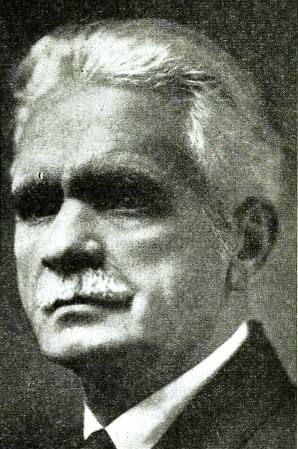
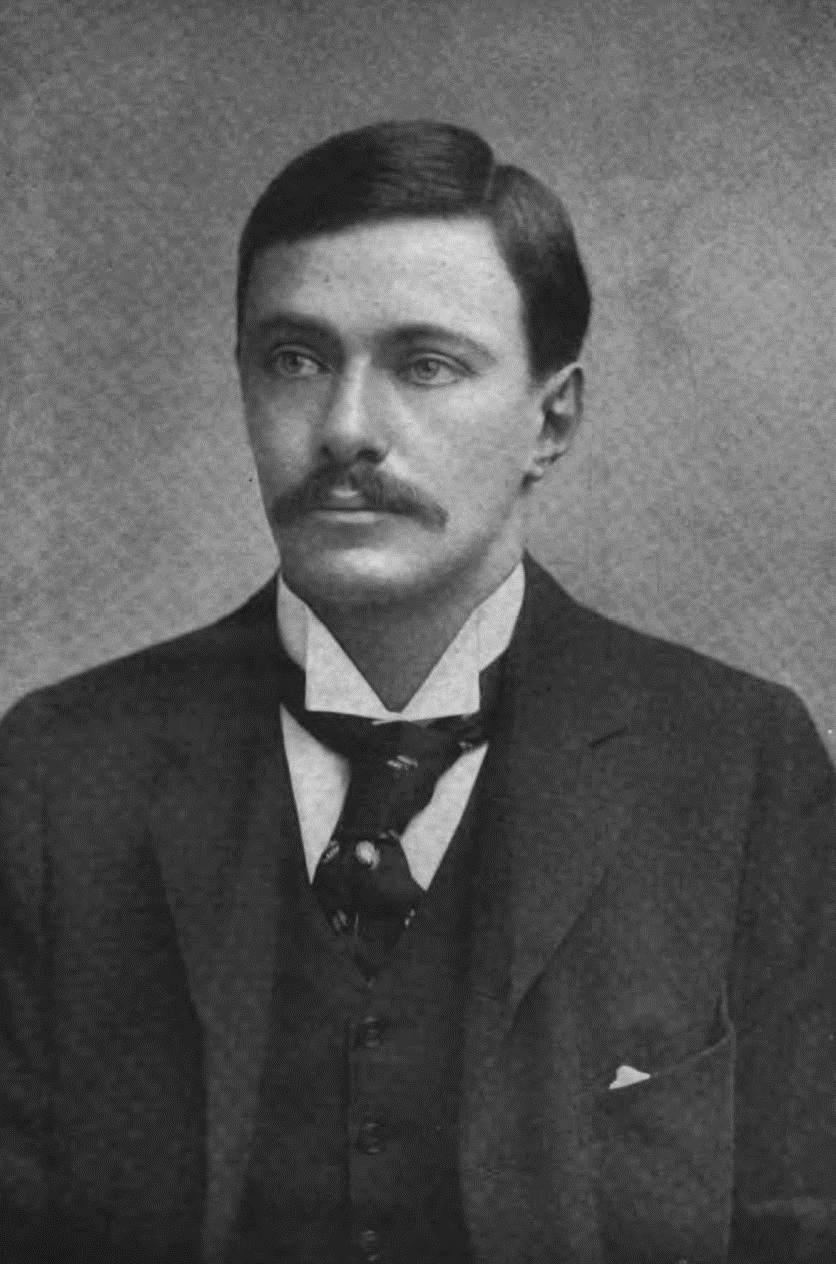
Gordon Haddon Clark was an influential American philosopher and Calvinist theologian, recognized for his significant contributions to presuppositional apologetics. He served as the chairman of the Philosophy Department at Butler University for 28 years, where he shaped the academic landscape with his expertise in pre-Socratic and ancient philosophy. Clark was a staunch defender of propositional revelation, arguing against the prevailing views of empiricism and rationalism. His belief that all truth is propositional led to the development of his theory of knowledge, often referred to as scripturalism. Throughout his career, Clark authored numerous works that explored the intersections of faith and reason, emphasizing the importance of scripture in understanding truth. His writings challenged conventional philosophical discourse and have left a lasting impact on both theological and philosophical thought. By advocating for a framework that prioritizes divine revelation, Clark's legacy continues to influence contemporary discussions in apologetics and the philosophy of religion.
Famous Quotes
View all 3 quotes“Since God is truth, a contempt for truth is equally a contempt for God.”
“The direction in which the culture of an age develops is, humanly speaking, chosen by a few exceptionally intelligent men. The popular authors then pick up some of the main ideas, usually distorting and diluting them considerably, and finally fifty years or a century later the general viewpoint has seeped down to the whole populace.”
“May there not be some subconscious jealousy that motivates our reactions to other people? Why do we eat chocolate sundaes when we know that we should reduce? Are we free from the influence of parental training? The Scriptures say, "Train up a child in the way he should go, and when he is old he will not depart from it." Parental training and all education proceed on the assumption that the will is not free, but can be trained, motivated, and directed. Finally, beyond both physiology and psychology there is God. Can we be sure that he is not directing our choices? Do we know that we are free from his grace? The Psalm says, "Blessed is the man whom you choose and cause to approach you." Is it certain that God has not caused us to choose to approach him? Can we set a limit to God's power? Can we tell how far it extends and just where it ends? Are we outside his control?”
Books from the author



Link to this page
Add a free, dofollow link to Lex on your blog, forum, syllabus, or reading list.

<a href="https://lex-books.com/author/gordon-clark"><img src="https://lex-books.com/badges/read-on-lex.svg" alt="Gordon Clark on Lex" width="160" height="40"></a>[](https://lex-books.com/author/gordon-clark)[url=https://lex-books.com/author/gordon-clark][img]https://lex-books.com/badges/read-on-lex.svg[/img][/url]Gordon Clark on Lex: https://lex-books.com/author/gordon-clark