George Grey
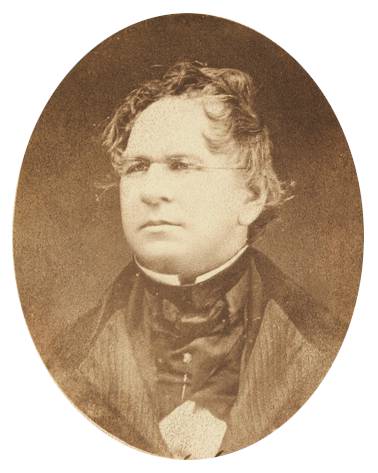
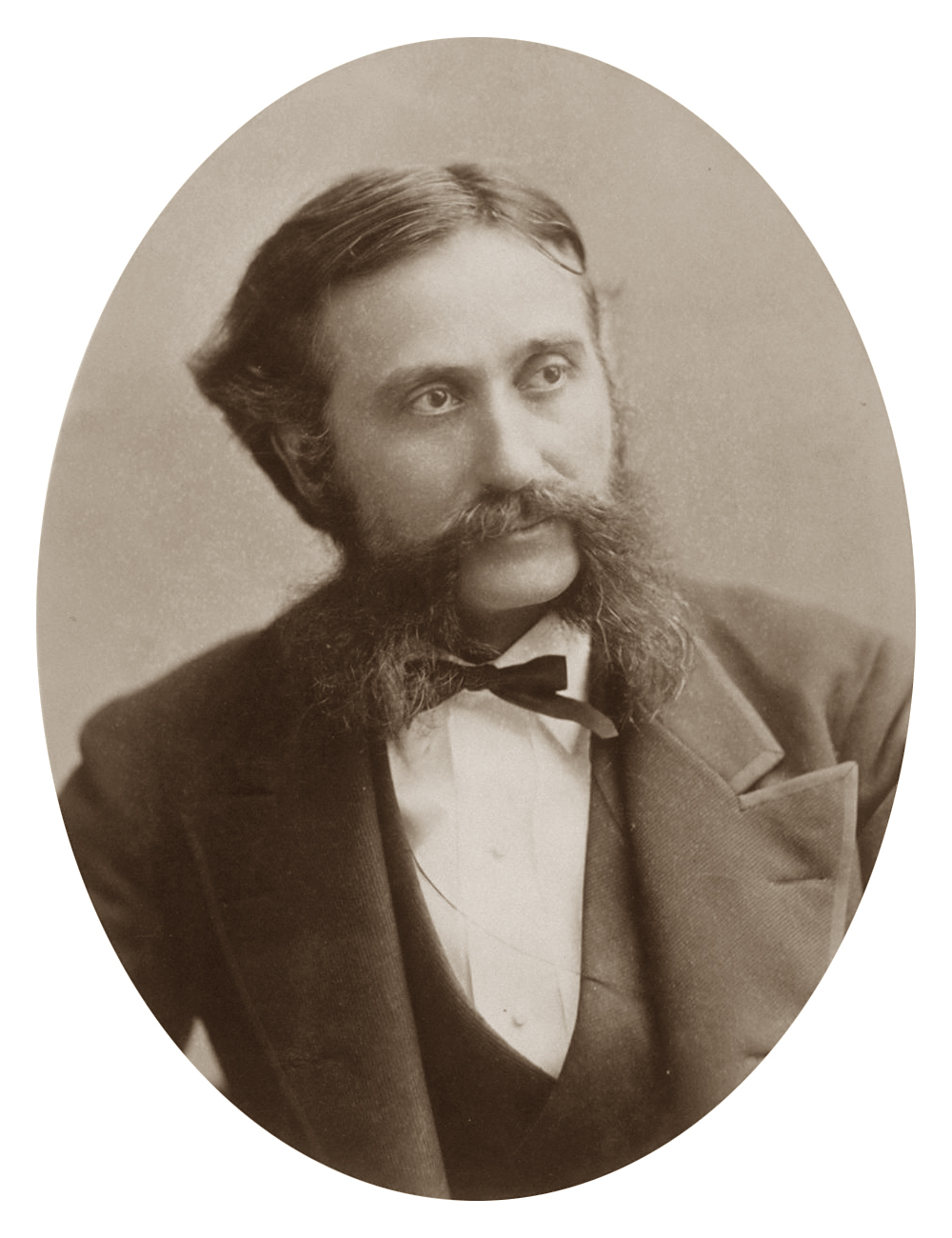
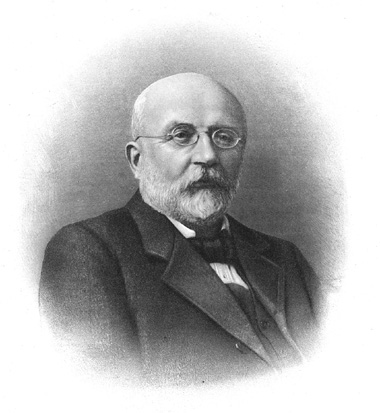
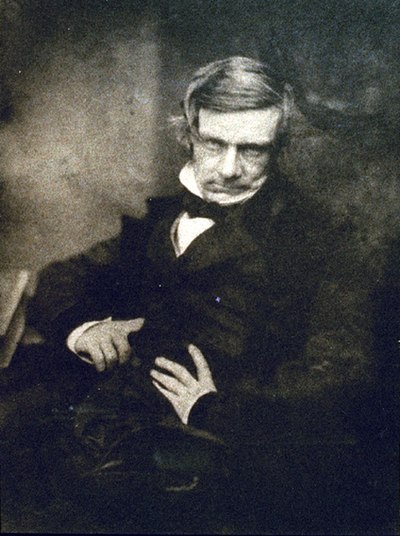
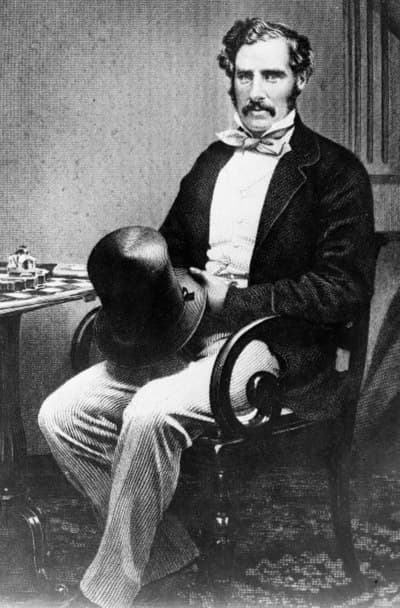
Sir George Grey was a British soldier, explorer, colonial administrator, and writer who played a pivotal role in the colonization of New Zealand and the governance of several British colonies. Born in Lisbon shortly after his father's death in battle, Grey was educated in England and began his career in the military before embarking on explorations in Western Australia. His administrative acumen came to the forefront when he became Governor of South Australia in 1841, where he implemented fiscally responsible measures that stabilized the colony during its formative years. In 1845, he was appointed Governor of New Zealand, a position he held during the tumultuous early stages of the New Zealand Wars. Fluent in Māori, Grey became a scholar of Māori culture, documenting their mythology and oral history, which he published in London, showcasing his commitment to understanding the indigenous people he governed. Grey's tenure in New Zealand was marked by both collaboration and conflict. Initially, he fostered relationships with Māori leaders to prevent invasions, but his later years saw a shift towards aggressive policies, particularly during his second governorship beginning in 1861. Faced with the challenge of the Kiingitanga movement, Grey's attempts at negotiation deteriorated, leading to the violent Invasion of the Waikato in 1863. His actions during this period, including the use of military force against Māori, solidified his legacy as a controversial figure in colonial history. After serving as Premier of New Zealand from 1877 to 1879, Grey remained a symbol of colonialism, embodying the complexities and contradictions of British imperial governance in the 19th century.
Famous Quotes
View all 18 quotes“Needle was Robb and Bran and Rickon, her mother and her father, even Sansa. Needle was Winterfell's grey walls, and the laughter of its people. Needle was the summer snows, Old Nan's stories, the heart tree with its red leaves and scary face, the warm earthy smell of the glass gardens, the sound of the north wind rattling the shutters of her room. Needle was Jon Snow's smile. He used to mess my hair and call me "little sister," she remembered, and suddenly there were tears in her eyes.””
“I admire Tolkien greatly. His books had enormous influence on me. And the trope that he sort of established”
“It's just a stupid sword," she said, aloud this time...... but it wasn't.Needle was Robb and Bran and Rickon, her mother and her father, even Sansa. Needle was Winterfell's grey walls, and the laughter of its people. Needle was the summer snows, Old Nan's stories, the heart tree with its red leaves and scary face, the warm earthy smell of the glass gardens, the sound of the north wind rattling the shutters of her room. Needle was Jon Snow's smile.””
Books from the author