The Unclassed
1884
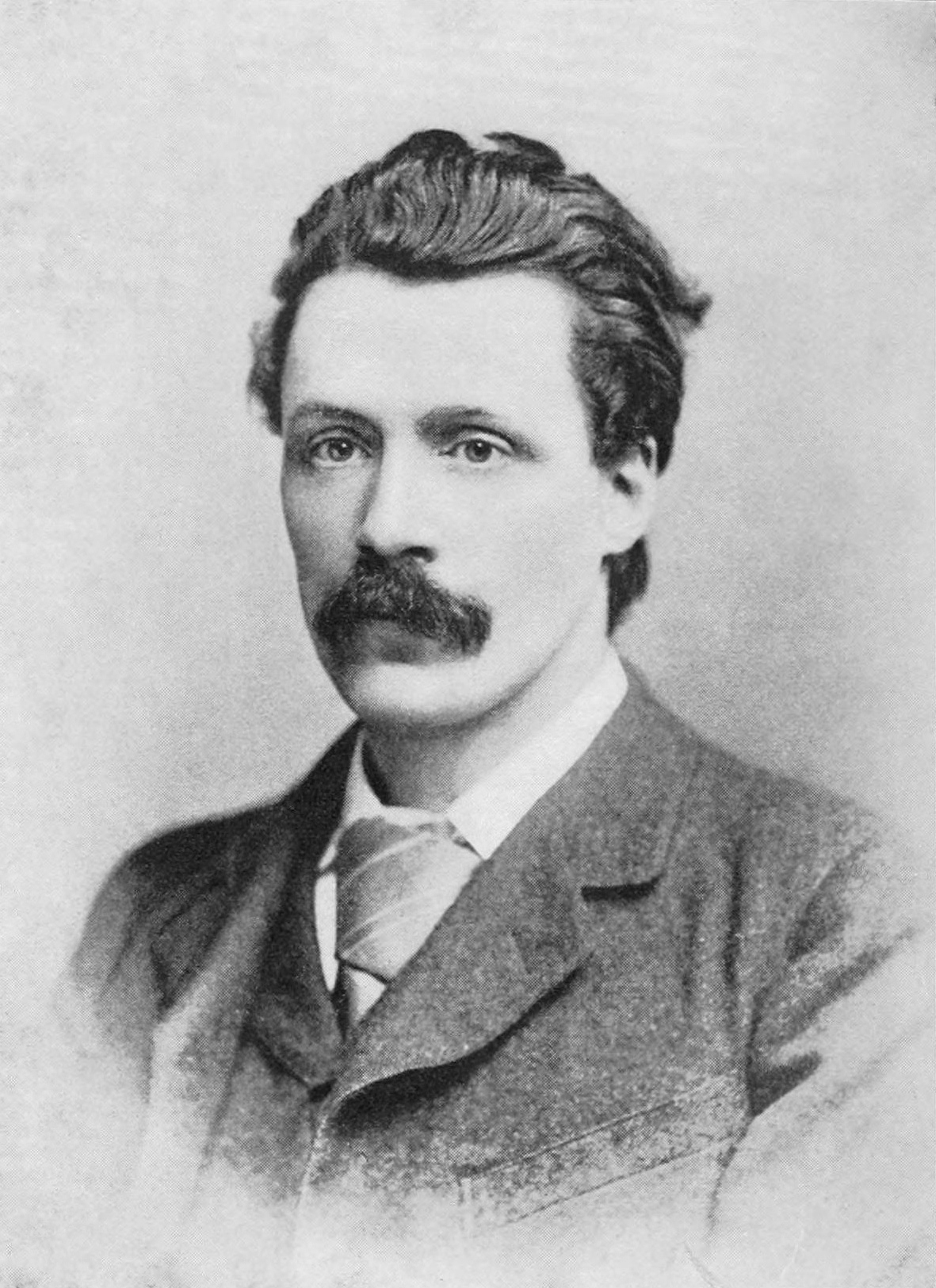
In Gissing's unflinching portrait of Victorian England's margins, the 'unclassed' are those who slip through the cracks of a rigid society: the poor scholar teaching to survive, the half-Italian who feels himself rejected everywhere, and a young girl whose moment of childish violence will reshape her entire future. When educated but impoverished Osmond Waymark answers a magazine advertisement for companionship, he finds in Julian Casti a friendship of rare intensity, one that will test the boundaries of loyalty and duty against the crushing weight of social expectation. Meanwhile, Ida Starr and her mother Lotty struggle against circumstances that seem predetermined to crush them, their fight for dignity in a world that has already judged them. Gissing, the great naturalist of lower-middle-class despair, writes with clear-eyed compassion about people who exist outside the comfortable categories of respectable society. The novel interrogates what society owes its outcasts, and what they owe themselves. It endures because it asks questions about class and compassion that haven't stopped needing asking.
Editions
X-Ray
“If we are enraptured with one particular flower””
— George Gissing
“the book’s central idea: identity is negotiated beyond formal class lines.””
— George Gissing
Link to this book
Add a free, dofollow link to Lex on your blog, forum, syllabus, or reading list.

<a href="https://lex-books.com/book/the-unclassed-65088a4b-ded7-43c0-af30-53020bf1852d"><img src="https://lex-books.com/badges/read-on-lex.svg" alt="Read The Unclassed by George Gissing free on Lex" width="160" height="40"></a>[](https://lex-books.com/book/the-unclassed-65088a4b-ded7-43c0-af30-53020bf1852d)[url=https://lex-books.com/book/the-unclassed-65088a4b-ded7-43c0-af30-53020bf1852d][img]https://lex-books.com/badges/read-on-lex.svg[/img][/url]Read The Unclassed by George Gissing free on Lex: https://lex-books.com/book/the-unclassed-65088a4b-ded7-43c0-af30-53020bf1852dCite this book
Reading this edition for a paper or guide? Copy a citation.
Gissing, George. The Unclassed. Lex, lex-books.com/book/the-unclassed-65088a4b-ded7-43c0-af30-53020bf1852d.Gissing, G. (1884). The Unclassed. Lex. https://lex-books.com/book/the-unclassed-65088a4b-ded7-43c0-af30-53020bf1852dGissing, George. The Unclassed. Lex. https://lex-books.com/book/the-unclassed-65088a4b-ded7-43c0-af30-53020bf1852d.