
Georg Büchmann
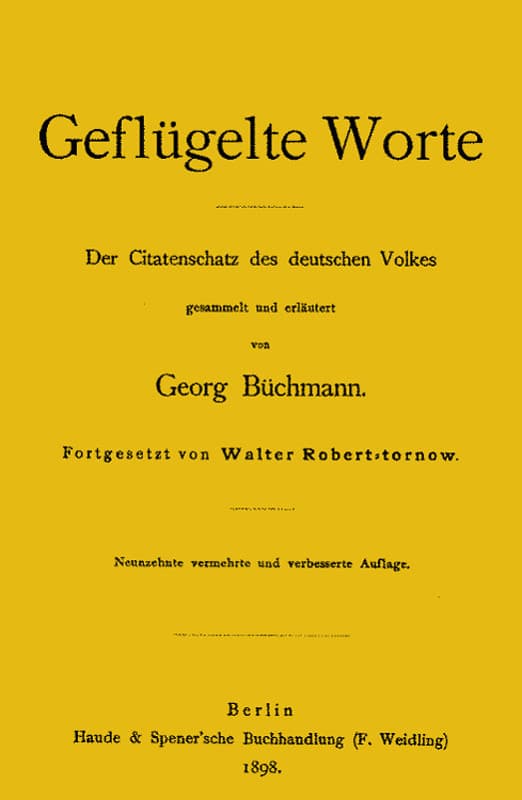
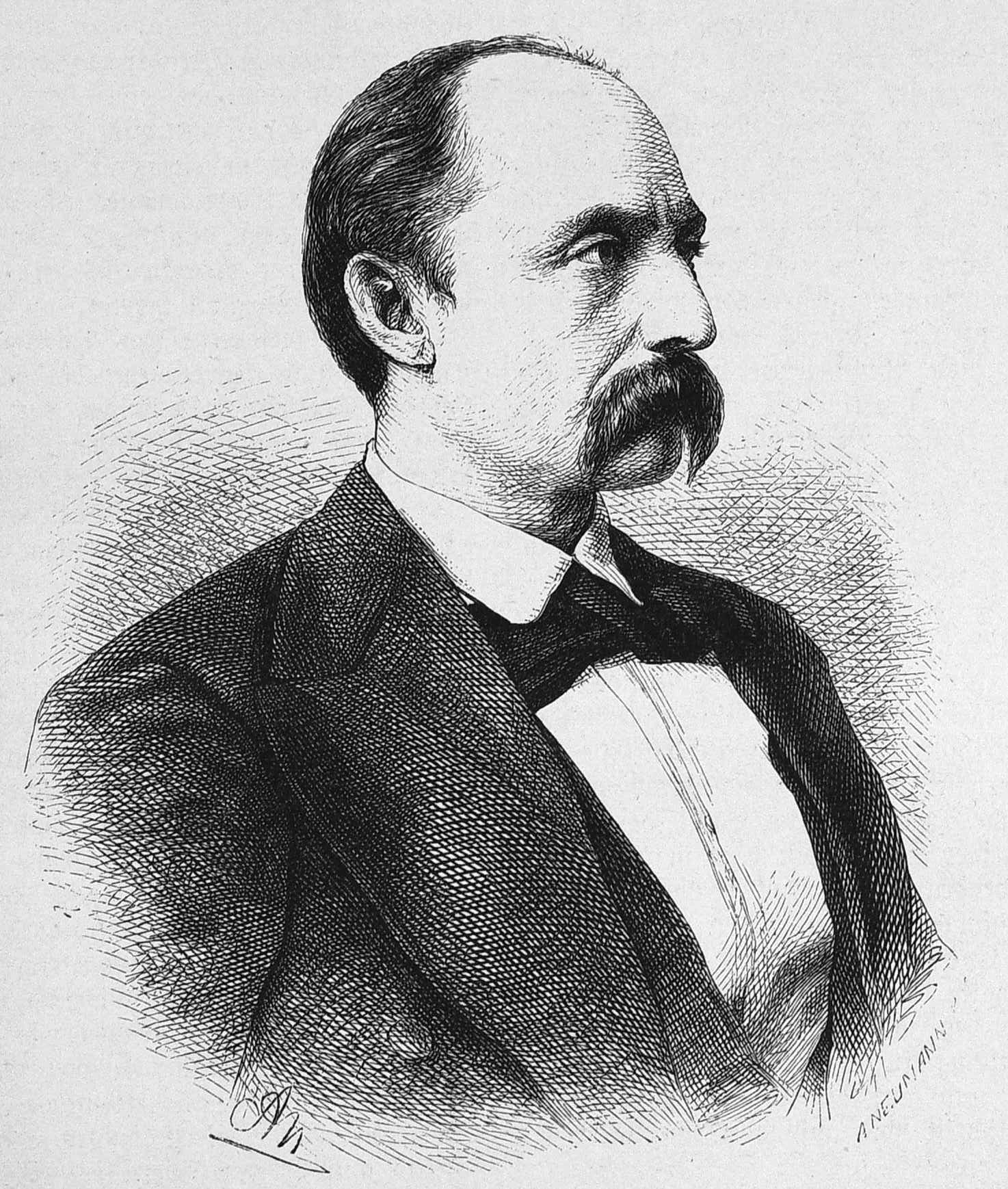
Georg Büchmann was a German philologist and author, best known for his contributions to the study of language and literature in the 19th century. Born in 1822, Büchmann's academic pursuits led him to explore the intricacies of language, culminating in his most notable work, "Der deutsche Wortschatz in der ersten Hälfte des 19. Jahrhunderts". This work provided a comprehensive examination of the German vocabulary during a pivotal period of linguistic development, reflecting the cultural and social changes of the time. Büchmann's meticulous research and analysis offered insights into the evolution of the German language, making his work significant for both linguists and literary scholars alike. In addition to his scholarly contributions, Büchmann was also a keen observer of the cultural landscape of his time, engaging with the literary movements that shaped German literature. His writings often bridged the gap between academic study and popular literature, making complex ideas accessible to a broader audience. Büchmann's legacy lies in his ability to illuminate the connections between language, culture, and identity, influencing future generations of scholars and writers. His work remains a valuable resource for understanding the development of the German language and its literature during a transformative era.
Books from the author





Link to this page
Add a free, dofollow link to Lex on your blog, forum, syllabus, or reading list.

<a href="https://lex-books.com/author/georg-büchmann"><img src="https://lex-books.com/badges/read-on-lex.svg" alt="Georg Büchmann on Lex" width="160" height="40"></a>[](https://lex-books.com/author/georg-büchmann)[url=https://lex-books.com/author/georg-büchmann][img]https://lex-books.com/badges/read-on-lex.svg[/img][/url]Georg Büchmann on Lex: https://lex-books.com/author/georg-büchmann