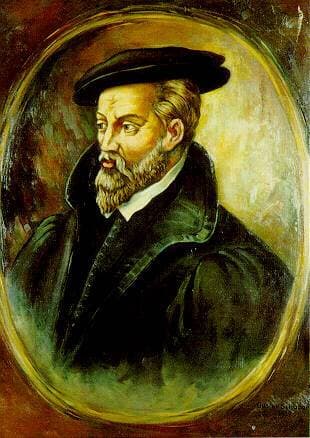
Georg Agricola
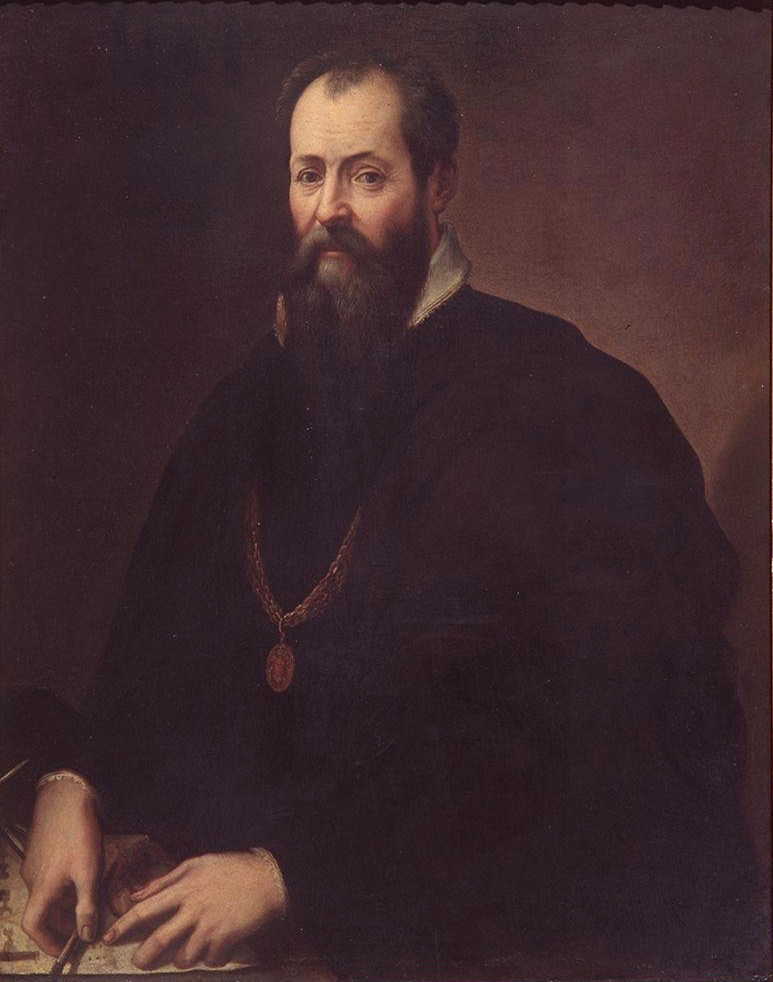
Georg Agricola, originally named Georg Bauer, was a pivotal figure of the German Renaissance, recognized as the father of mineralogy and a foundational contributor to the field of geology. Born in Glauchau, Saxony, Agricola received a broad education that ignited his passion for mining and metallurgy. His groundbreaking work, 'De Natura Fossilium,' published in 1546, laid the groundwork for mineralogy as a scientific discipline, while his posthumously published 'De re metallica libri XII' became a comprehensive reference on mining and metallurgy, celebrated for its meticulous observations and systematic approach. This work not only classified various mining techniques but also emphasized empirical research, setting a new standard in scientific inquiry. Agricola's influence extended beyond mineralogy; he published over 40 scholarly works across diverse fields including pedagogy, medicine, and philosophy. His commitment to rigorous observation and a universal approach to knowledge exemplified the spirit of Renaissance humanism. By eschewing unverified claims in his writings, he established a model for scientific integrity that resonated throughout the centuries. Agricola's legacy endures in the realms of science and scholarship, marking him as a transformative figure whose contributions shaped the understanding of natural sciences in his time and beyond.
Books from the author


Link to this page
Add a free, dofollow link to Lex on your blog, forum, syllabus, or reading list.

<a href="https://lex-books.com/author/georg-agricola"><img src="https://lex-books.com/badges/read-on-lex.svg" alt="Georg Agricola on Lex" width="160" height="40"></a>[](https://lex-books.com/author/georg-agricola)[url=https://lex-books.com/author/georg-agricola][img]https://lex-books.com/badges/read-on-lex.svg[/img][/url]Georg Agricola on Lex: https://lex-books.com/author/georg-agricola