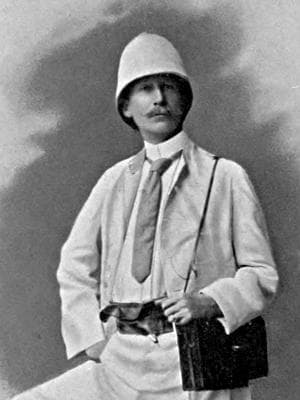
George Chetwynd Griffith
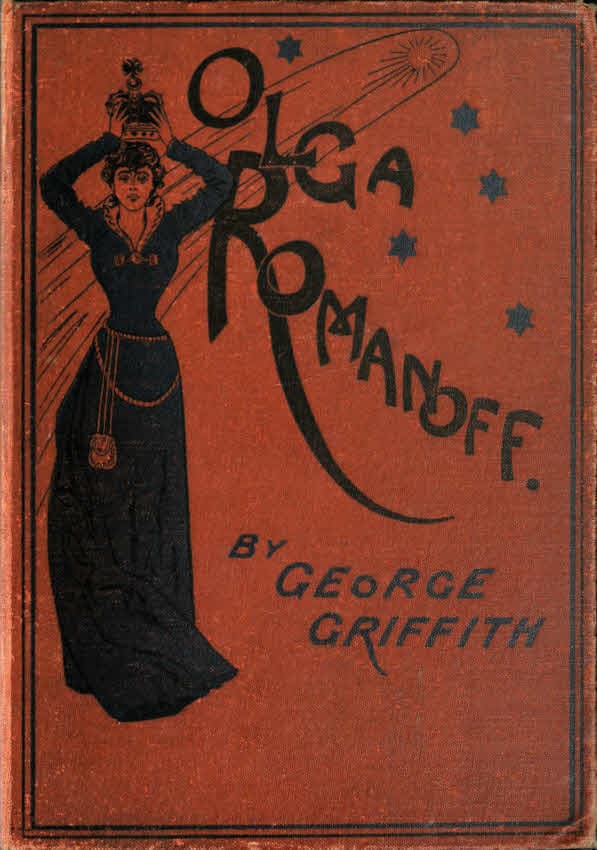
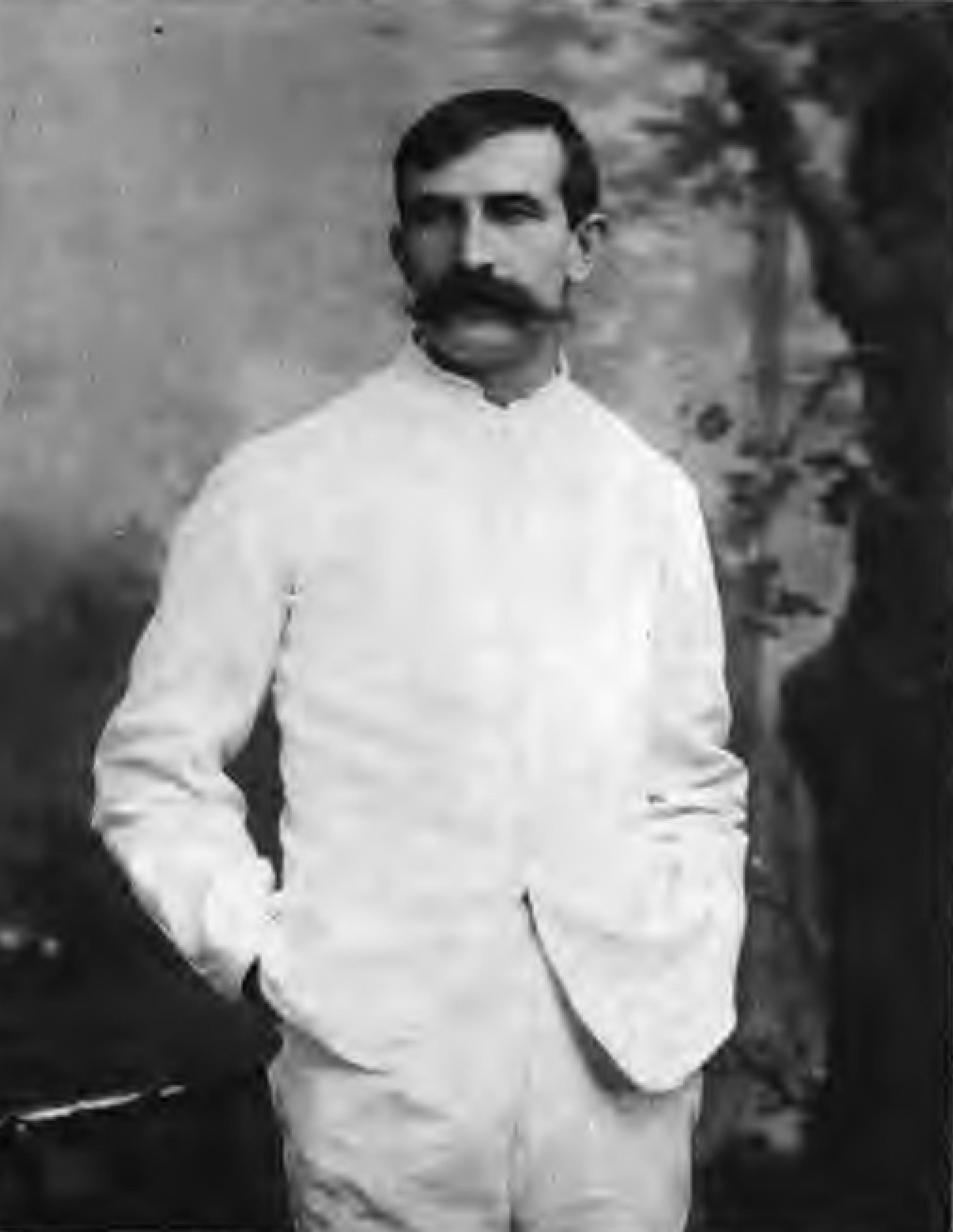
George Chetwynd Griffith was a prominent British writer known for his significant contributions to the science fiction genre, particularly during the late 19th century. Born into a family that moved frequently due to his father's clerical career, Griffith experienced a tumultuous childhood marked by his father's death when he was just 14. After a brief period of formal education, he traveled extensively around the world before settling into a teaching career for a decade. His literary journey began in earnest when he was hired by publisher C. Arthur Pearson in 1890, leading to his breakthrough with 'The Angel of the Revolution' in 1893, a novel that combined elements of adventure and political commentary, serialized in Pearson's Weekly. This success was followed by the equally popular sequel 'Olga Romanoff' in 1894, establishing him as a leading figure in the emerging subgenre of future-war stories. Throughout the 1890s, Griffith was prolific, producing numerous serials and short stories, as well as non-fiction pieces for Pearson. His adventurous spirit also led him to undertake various travel assignments, including a notable circumnavigation of the globe in just 65 days. However, as the decade progressed, Griffith's popularity waned, overshadowed by contemporaries like H. G. Wells. His later works, including 'A Honeymoon in Space' (1901), marked the decline of his career, exacerbated by personal struggles with health and alcoholism. Despite his relatively short life, Griffith's early works played a crucial role in shaping the science fiction landscape, influencing future writers and leaving a lasting legacy in the genre's development.
Famous Quotes
View all 1 quotes“In another generation the voice of the majority, the blind, brute force of numbers, will rule everything on Earth. What government there may be will be a mere matter of counting heads. Individual freedom will by swift degrees vanish from the Earth, and human society will become a huge machine, grinding all men down to the same level until the monotony of life becomes unendurable.”
Books from the author






Link to this page
Add a free, dofollow link to Lex on your blog, forum, syllabus, or reading list.

<a href="https://lex-books.com/author/george-chetwynd-griffith"><img src="https://lex-books.com/badges/read-on-lex.svg" alt="George Chetwynd Griffith on Lex" width="160" height="40"></a>[](https://lex-books.com/author/george-chetwynd-griffith)[url=https://lex-books.com/author/george-chetwynd-griffith][img]https://lex-books.com/badges/read-on-lex.svg[/img][/url]George Chetwynd Griffith on Lex: https://lex-books.com/author/george-chetwynd-griffith