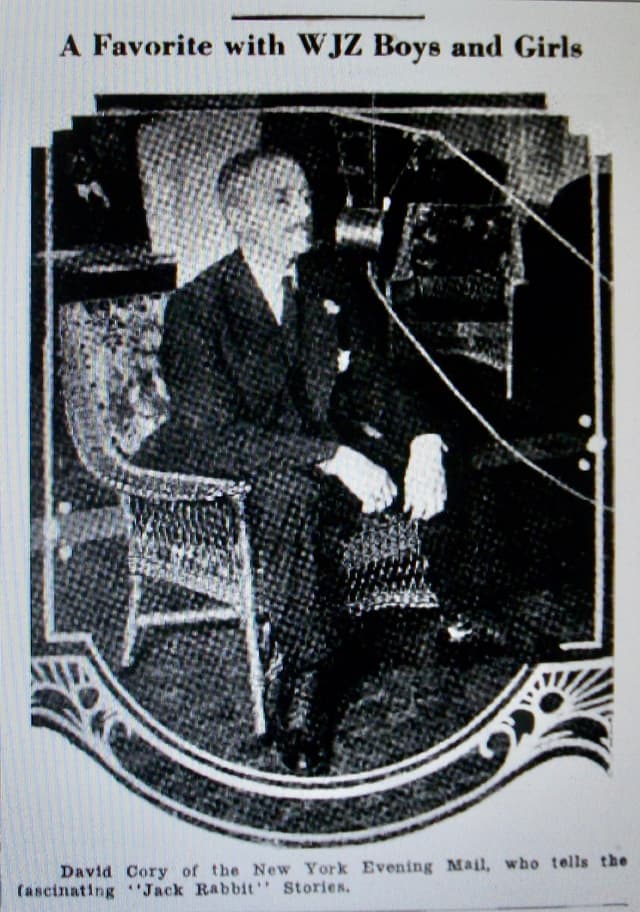
David Cory
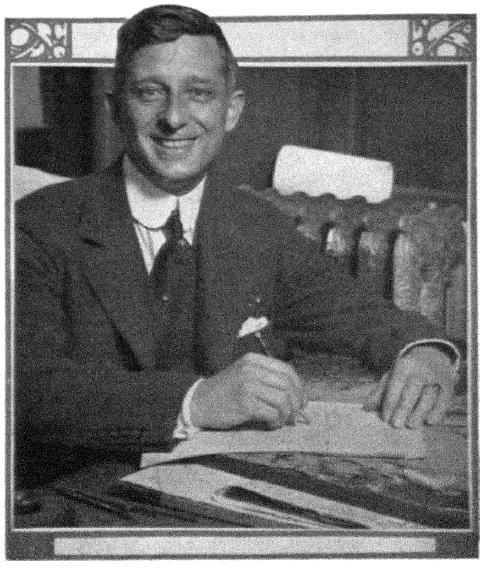
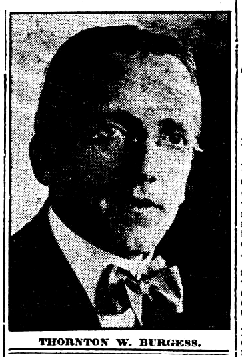
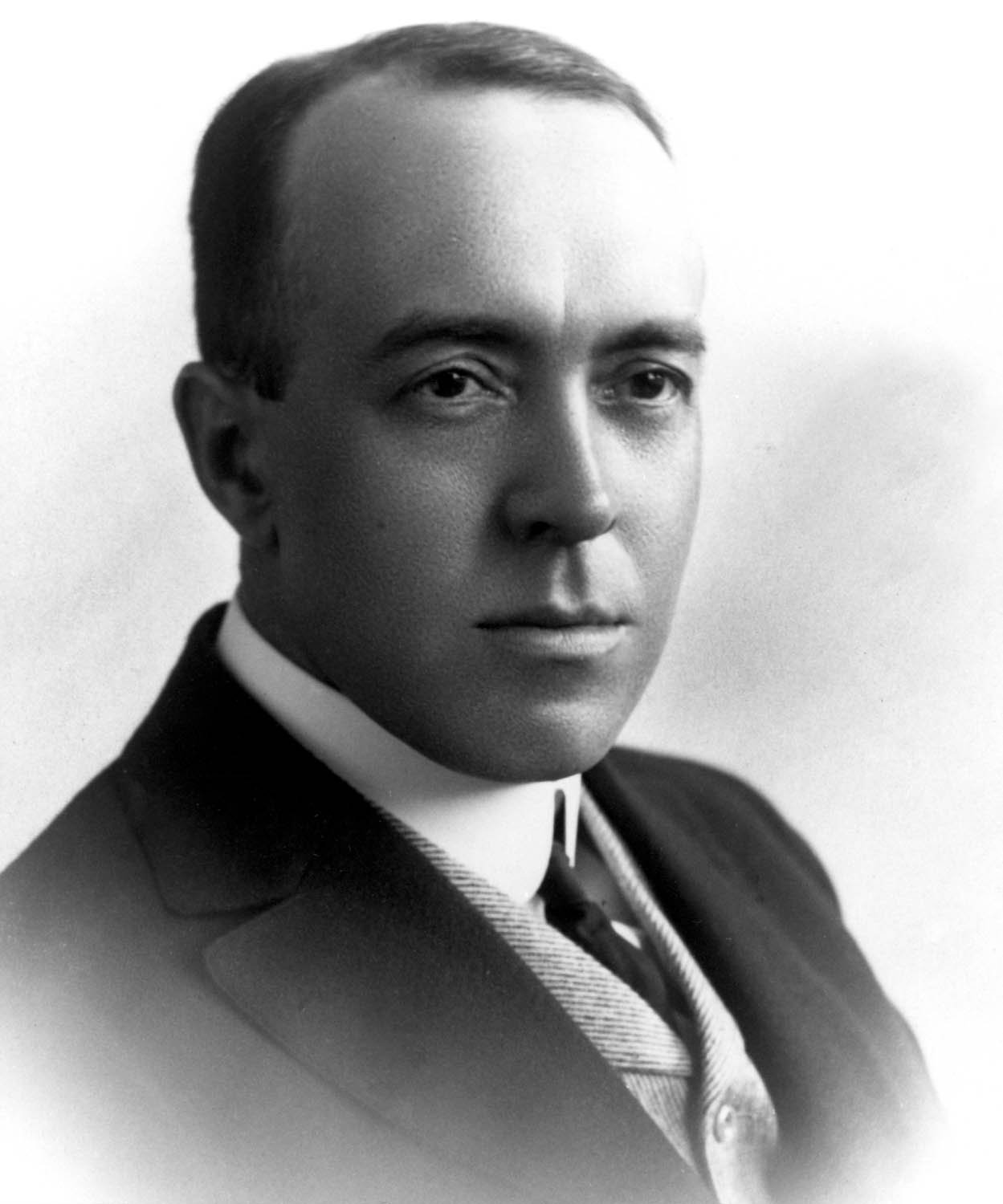
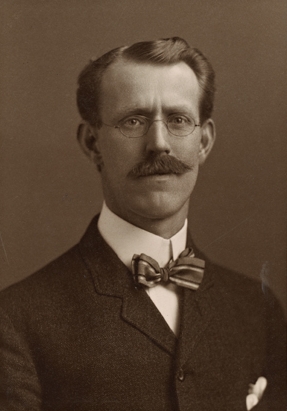
David Cory was an American author known primarily for his children's literature and adventure stories. Born in 1872, he developed a passion for writing at an early age, which led him to create a diverse body of work that captivated young readers. Cory's most notable contributions include the 'Little Colonel' series and various stories that often featured themes of bravery, friendship, and the joys of childhood. His ability to weave engaging narratives with relatable characters made his books popular during the early 20th century, and they remain cherished by readers today. Cory's literary significance lies not only in his storytelling but also in his role in shaping early American children's literature. His works often reflected the values and experiences of his time, providing insights into the cultural landscape of the early 1900s. Through his engaging prose and memorable characters, Cory influenced a generation of young readers and writers, leaving a lasting legacy in the realm of children's literature. His stories continue to be celebrated for their adventurous spirit and moral lessons, making him a noteworthy figure in American literary history.
Famous Quotes
View all 3 quotes“Also, don't forget that some of the most successful people in the world are self-taught programmers. Steve Wozniak, the founder of Apple, is a self-taught programmer. So is Margaret Hamilton, who received the Presidential Medal of Freedom for her work on NASA's Apollo Moon missions; David Karp, founder of Tumblr; Jack Dorsey, founder of Twitter; and Kevin Systrom, founder of Instagram.””
“the police think the murder of Cory Jackson was unrelated to his claim of having seen Eddie kill the Corrigan woman. That could be the simple truth.” “You””
“Every Joke has a bottom, a familiar pain, anger, trauma. "Get it? Do ya get it?" Whatever the joke is, it's usually only funny once, sometimes not at all. David Bohm would report being distressed and disturbed by Krishnamurti's "jokes", and even Carl Jung thought Kierkegaard, with his emphasis on comedy was borderline pathological. Kierkegaard's comedy emphasized the "winning side". No one could make people laugh like Jung could, however, he wasn't necessarily trying to be funny. Some make people laugh due to the warmth of their rapport with the other, not necessarily because of the sophistication or memorization of a worn out joke. Compulsive joking about some familiar or unfamiliar pain will only take you so far. People get turned off by the repetitive need to find entertainment in something distressing and all too familiar.””
Books from the author
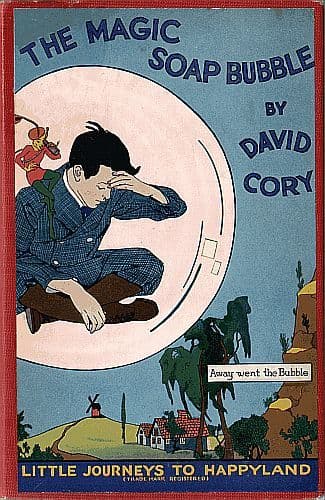
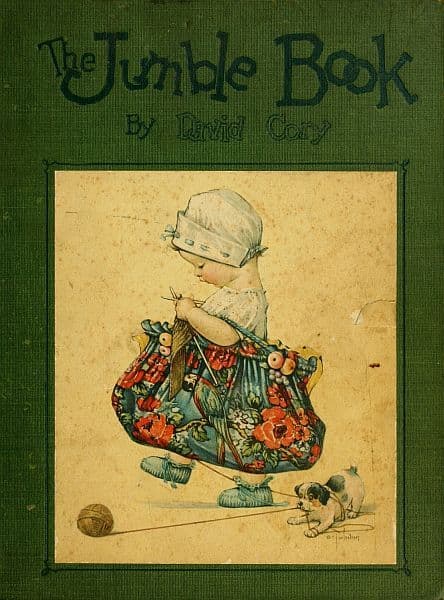
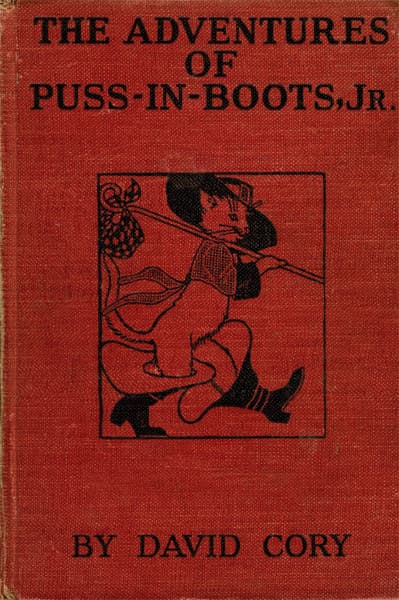



Link to this page
Add a free, dofollow link to Lex on your blog, forum, syllabus, or reading list.

<a href="https://lex-books.com/author/david-cory"><img src="https://lex-books.com/badges/read-on-lex.svg" alt="David Cory on Lex" width="160" height="40"></a>[](https://lex-books.com/author/david-cory)[url=https://lex-books.com/author/david-cory][img]https://lex-books.com/badges/read-on-lex.svg[/img][/url]David Cory on Lex: https://lex-books.com/author/david-cory