Gabriela Zapolska
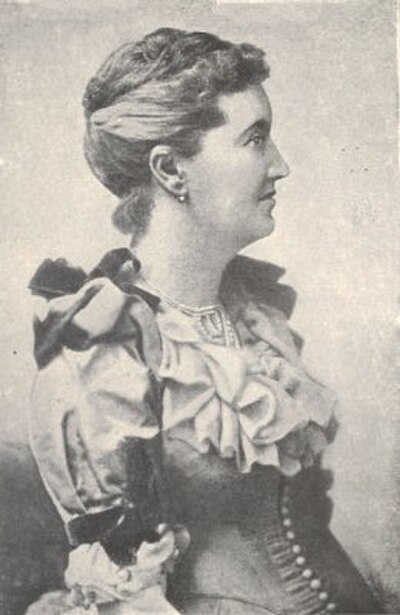
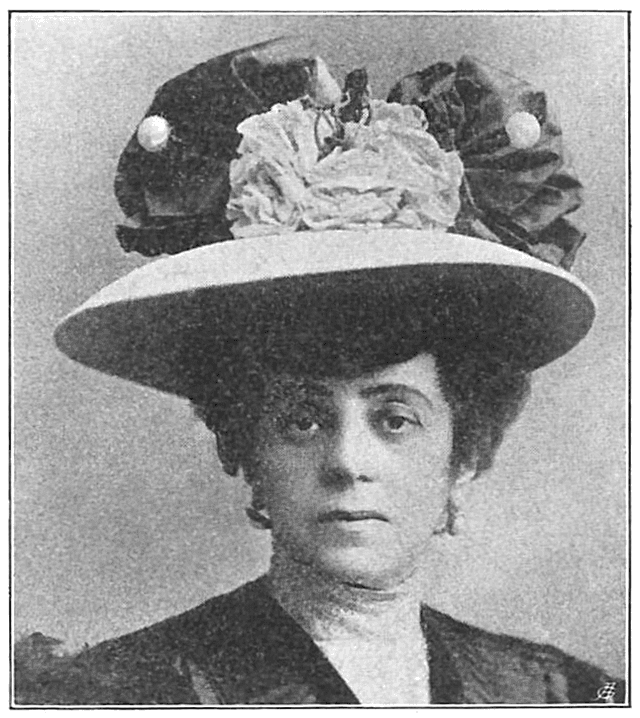
Maria Gabriela Stefania Korwin-Piotrowska, known as Gabriela Zapolska, was a prominent Polish novelist, playwright, and theatre critic whose work significantly shaped early modernist Polish drama. Born in 1857, she became a prolific writer, producing 41 plays, 23 novels, and numerous short stories and journalistic pieces. Her most notable work, 'The Morality of Mrs. Dulska,' is a socio-satirical comedy that critiques the values of the petty bourgeoisie and has garnered international acclaim. This play is often cited as a landmark in Polish theatre, showcasing her ability to blend tragedy and farce while addressing social issues of her time. Zapolska's influence extended beyond her writing; she was also an accomplished stage actress, performing in over 200 plays across major cities such as Warsaw, Kraków, and Paris. Her works were translated into multiple languages, reaching audiences in various European theatres and adapting to radio and film formats. Through her extensive body of work, which includes 177 short stories and a significant number of letters, Zapolska left a lasting legacy in Polish literature, recognized for her keen social observations and innovative narrative style.
Famous Quotes
View all 3 quotes“DULSKA Żadnej moralności, żadnych zasad... ZBYSZKO Żadnego płaszczyka teoretycznego, jak mamcia.”
“MELA Hesiu, nie gwiżdż! HESIA Aha! ziemia się trzęsie — co? — no, a teraz walca — moja brylantowa. (obejmuje ją — walcują.) MELA Dlaczego mnie tak ściskasz? HESIA Bo ja jestem mężczyzna. MELA Ale ja nie mogę oddychać. HESIA Właśnie — a jak za kobietę, to tak! o! (przerzuca się na rękę Meli) odmlewająco! omdlewająco! a potem w oczy... w oczy... Ja tak zawsze robię... MELA Ty?! HESIA Ja! powiadam ci — studenty czerwienią się, jak buraki.”
“DULSKA Jeszcze jesteś tutaj? Czy ci nie wstyd? Ojciec twój pracuję, ja pracuję — siostry... ZBYSZKO Mamciu! mamciu! czy się pracuje — czy nie, to wszystko idzie do jednego celu. DULSKA Nieprawda — my ludzie pracy, a próżniacy to... ZBYSZKO A przecież i my, i wy jednako... DULSKA Co? co? ZBYSZKO Wyciągniemy kopytka... pa! do Juliasiewiczowej Pa, lalu!...”