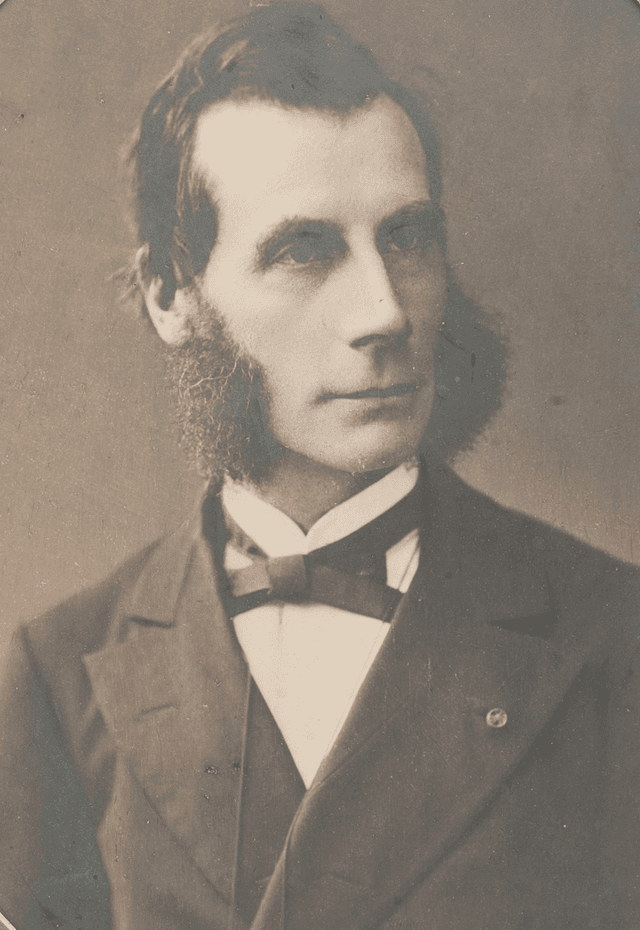
Fustel de Coulanges
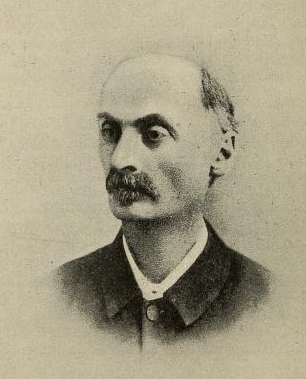
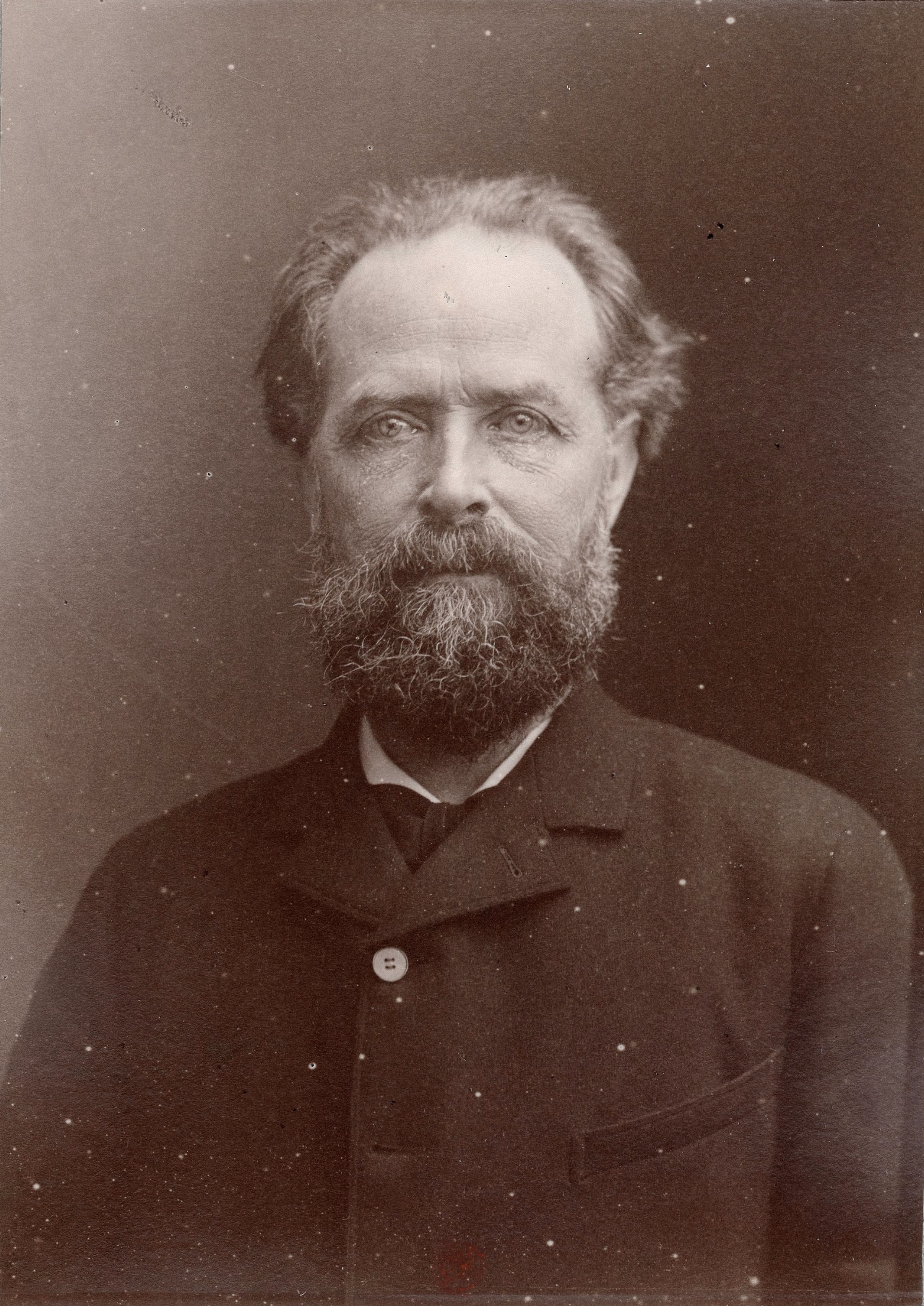
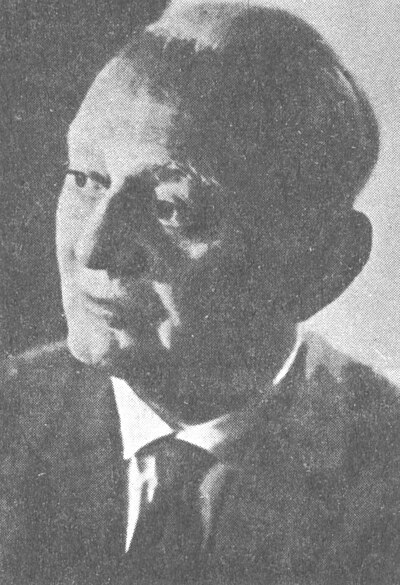
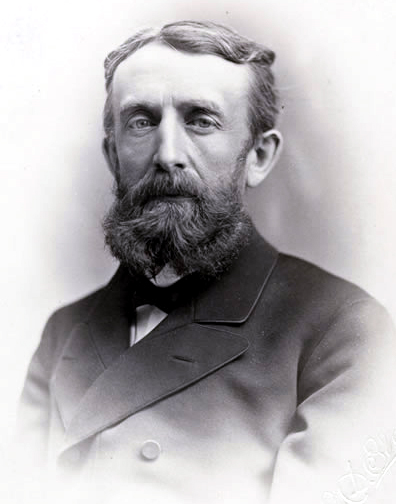
Fustel de Coulanges was a prominent French historian and scholar known for his innovative approach to the study of ancient Greek and Roman societies. Born in 1830, he became a key figure in the field of historical sociology, emphasizing the importance of religion and family structures in shaping social institutions. His most notable work, 'La Cité antique' (The Ancient City), published in 1864, explored the role of religion in the development of the city-state, arguing that the sacred and the civic were deeply intertwined in ancient cultures. This groundbreaking analysis not only challenged contemporary historical narratives but also laid the groundwork for future studies in social history and anthropology. Throughout his career, Fustel de Coulanges contributed significantly to the understanding of how ancient societies functioned, influencing both historians and sociologists. His meticulous research and emphasis on the cultural context of historical events marked a departure from the more traditional, political-focused historiography of his time. His legacy endures in the fields of history and sociology, where his insights continue to inspire scholars examining the interplay between religion, society, and governance in the ancient world.
Famous Quotes
View all 18 quotes“The ancient city, like all human society, had ranks, distinctions, and inequalities.””
“Naming (“christening,” “deeming”) is more than a performative moral act; it is linguistic and aesthetic as well. Identifying the emergence and establishment of anti-sacrificial moral practices will take on a form distinctive to a particular social order; the consolidation of the originary “belief” or gesture should therefore be represented in ways that make it inseparable from the entirety of that order. Naming commemorates earlier establishments of practices of deferral, and by enhancing the self-referentiality of the social order as a whole makes it impossible to think outside of that order. It should be kept in mind that all social orders do this”
“Il faut toute une vide d'analyse pour une heure de synthèse””
Books from the author




Link to this page
Add a free, dofollow link to Lex on your blog, forum, syllabus, or reading list.

<a href="https://lex-books.com/author/fustel-de-coulanges"><img src="https://lex-books.com/badges/read-on-lex.svg" alt="Fustel de Coulanges on Lex" width="160" height="40"></a>[](https://lex-books.com/author/fustel-de-coulanges)[url=https://lex-books.com/author/fustel-de-coulanges][img]https://lex-books.com/badges/read-on-lex.svg[/img][/url]Fustel de Coulanges on Lex: https://lex-books.com/author/fustel-de-coulanges