
Frederick Whitney
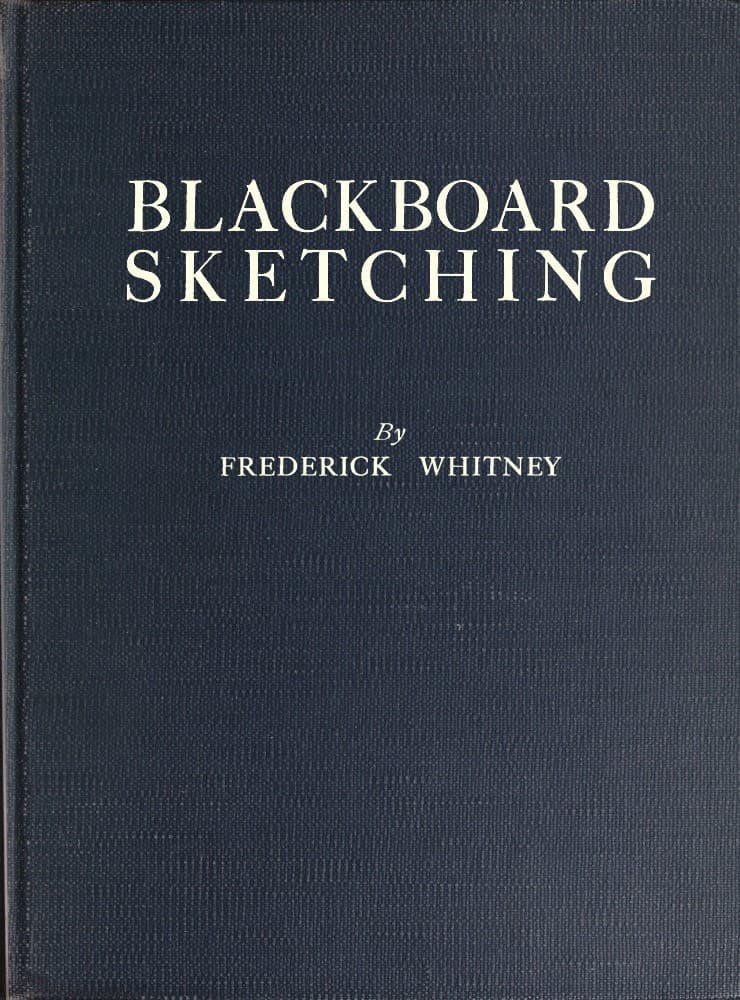
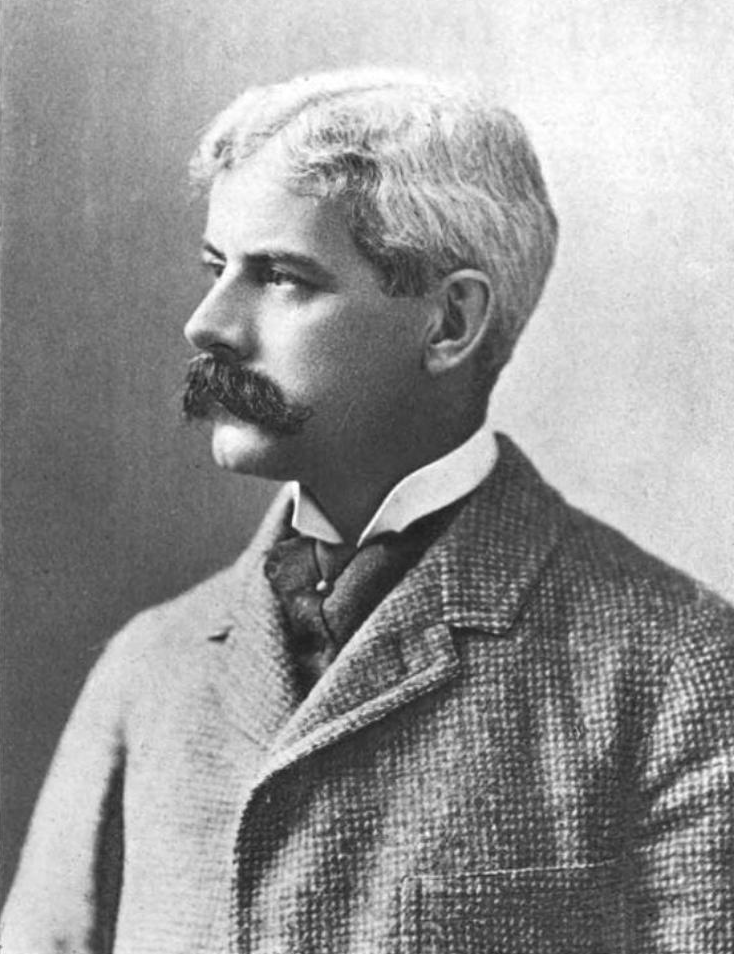
Frederick Whitney was an American artist and educator known for his contributions to the field of drawing and illustration. He gained recognition for his instructional works, particularly 'Blackboard Drawing' and 'Blackboard Sketching,' which provided practical guidance for aspiring artists and educators. Whitney's approach emphasized the importance of foundational skills in drawing, making art accessible to a broader audience. His methods were particularly influential in the late 19th and early 20th centuries, a time when art education was evolving and becoming more structured. In addition to his instructional texts, Whitney's work reflected a commitment to fostering creativity and artistic expression. He understood the challenges faced by students and sought to demystify the drawing process. His books not only served as practical manuals but also inspired a generation of artists and teachers to embrace drawing as a vital form of communication and expression. Whitney's legacy lies in his ability to bridge the gap between technical skill and artistic freedom, making him a significant figure in the realm of art education.
Famous Quotes
View all 1 quotes“Don’t be satisfied with stories of how things have gone with others. Unfold your own myth.”
Books from the author





Link to this page
Add a free, dofollow link to Lex on your blog, forum, syllabus, or reading list.

<a href="https://lex-books.com/author/frederick-whitney"><img src="https://lex-books.com/badges/read-on-lex.svg" alt="Frederick Whitney on Lex" width="160" height="40"></a>[](https://lex-books.com/author/frederick-whitney)[url=https://lex-books.com/author/frederick-whitney][img]https://lex-books.com/badges/read-on-lex.svg[/img][/url]Frederick Whitney on Lex: https://lex-books.com/author/frederick-whitney