Finger Prints
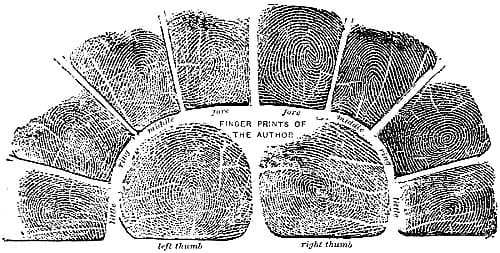
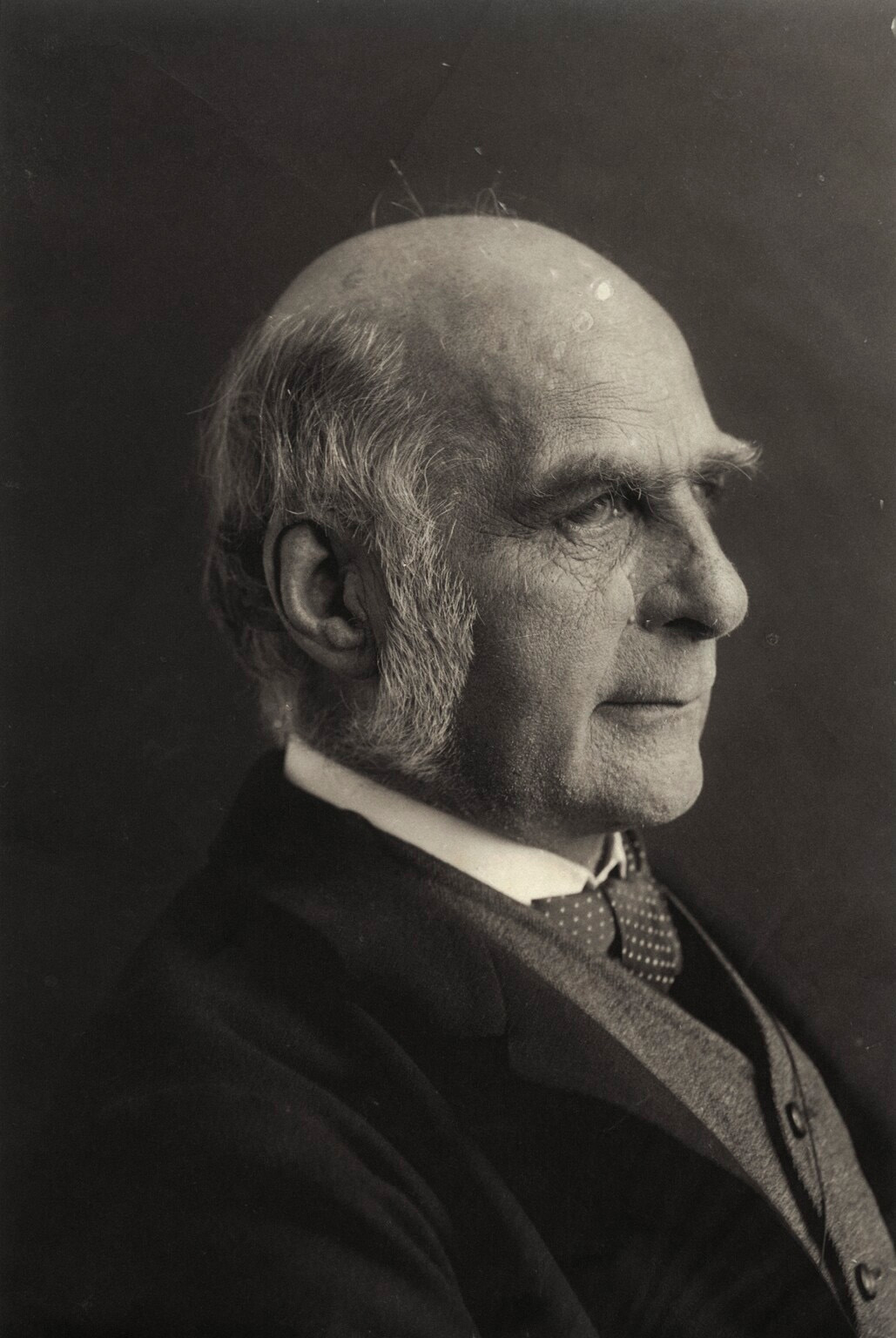
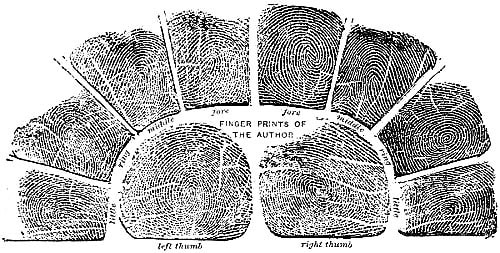
In 1892, a Cambridge-trained scientist set out to prove something radical: that every human being carries a signature written in skin, invisible to the naked eye but permanent from birth to death. Francis Galton, Charles Darwin's cousin, had stumbled onto what would become one of the most transformative identification tools in human history. Finger Prints presents his meticulous research into the papillary ridges that cover our fingertips, demonstrating through careful observation and statistical analysis that no two individuals share the same pattern, not even identical twins. Galton systematically addresses the three pillars of fingerprint science: uniqueness (no two prints are alike), permanence (the ridges do not change with age or superficial injury), and classifiability (patterns can be organized into recognizable categories). He explores the hereditary dimensions of fingerprint traits and considers variations across populations. What emerges is not merely a scientific curiosity but a rigorous argument for practical application. Galton anticipated forensic use, anthropometric identification, and the prevention of fraud. The book laid the entire foundation for a century and a half of criminal investigation. For readers interested in the history of science, forensic anthropology, or the birth of biometric identification, this remains the essential starting point.
Editions

Link to this book
Add a free, dofollow link to Lex on your blog, forum, syllabus, or reading list.

<a href="https://lex-books.com/book/finger-prints-4b2aa13d-855e-4004-89a9-53882d532843"><img src="https://lex-books.com/badges/read-on-lex.svg" alt="Read Finger Prints by Francis Galton free on Lex" width="160" height="40"></a>[](https://lex-books.com/book/finger-prints-4b2aa13d-855e-4004-89a9-53882d532843)[url=https://lex-books.com/book/finger-prints-4b2aa13d-855e-4004-89a9-53882d532843][img]https://lex-books.com/badges/read-on-lex.svg[/img][/url]Read Finger Prints by Francis Galton free on Lex: https://lex-books.com/book/finger-prints-4b2aa13d-855e-4004-89a9-53882d532843Cite this book
Reading this edition for a paper or guide? Copy a citation.
Galton, Francis. Finger Prints. Lex, lex-books.com/book/finger-prints-4b2aa13d-855e-4004-89a9-53882d532843.Galton, F. (n.d.). Finger Prints. Lex. https://lex-books.com/book/finger-prints-4b2aa13d-855e-4004-89a9-53882d532843Galton, Francis. Finger Prints. Lex. https://lex-books.com/book/finger-prints-4b2aa13d-855e-4004-89a9-53882d532843.