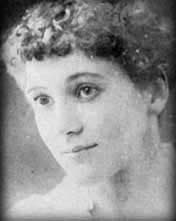
Florence Farr
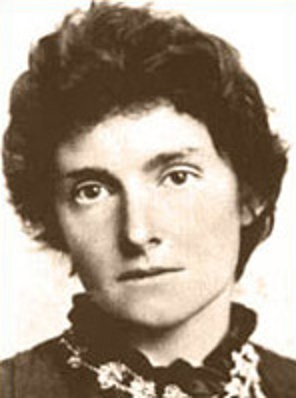
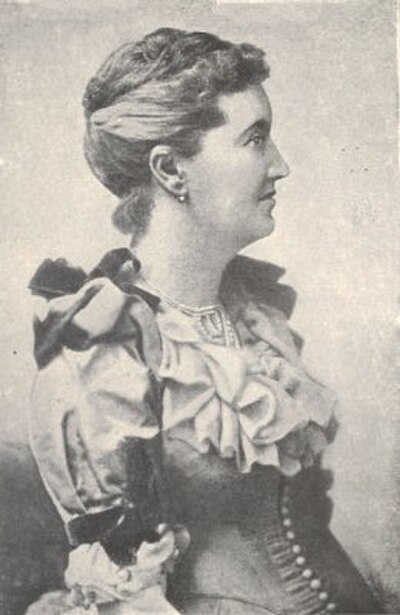
Florence Beatrice Farr was a multifaceted British actress, composer, director, and a prominent figure in the women's rights movement during the late 19th and early 20th centuries. Known for her dynamic presence in London's West End, she collaborated with notable literary figures such as William Butler Yeats, Ezra Pound, and Oscar Wilde, becoming a central figure in the bohemian circles of her time. Farr was not only a talented performer but also an influential activist who championed suffrage and workplace equality, contributing to the discourse on women's rights through her writings and public advocacy. Her book and numerous articles addressed the challenges faced by 'the new woman', highlighting her commitment to social reform. In addition to her theatrical pursuits, Farr was a key member of the Hermetic Order of the Golden Dawn, where she explored the intersections of art and mysticism. Her friendships with artists like Aubrey Beardsley and Pamela Colman Smith further solidified her role as a cultural influencer. Although she may not have achieved the same level of fame as some of her contemporaries, Farr's contributions to literature, theater, and feminist thought have left an indelible mark on the artistic and social landscape of her era, making her a significant figure in the history of British feminism and the occult arts.
Famous Quotes
View all 1 quotes“As an oracle to the goddess, the female outcast speaks as prophetess of times to come, interpreter of dreams of an unrevealed future. Outcasts are at home in the world of magic and infinite change. Their individual personalities merge with that of legend. Becoming vehicles of immortality, they self create their own myths, weave a spell over poets and artists and spread a belief in transcendence that heralds the future.”
Books from the author

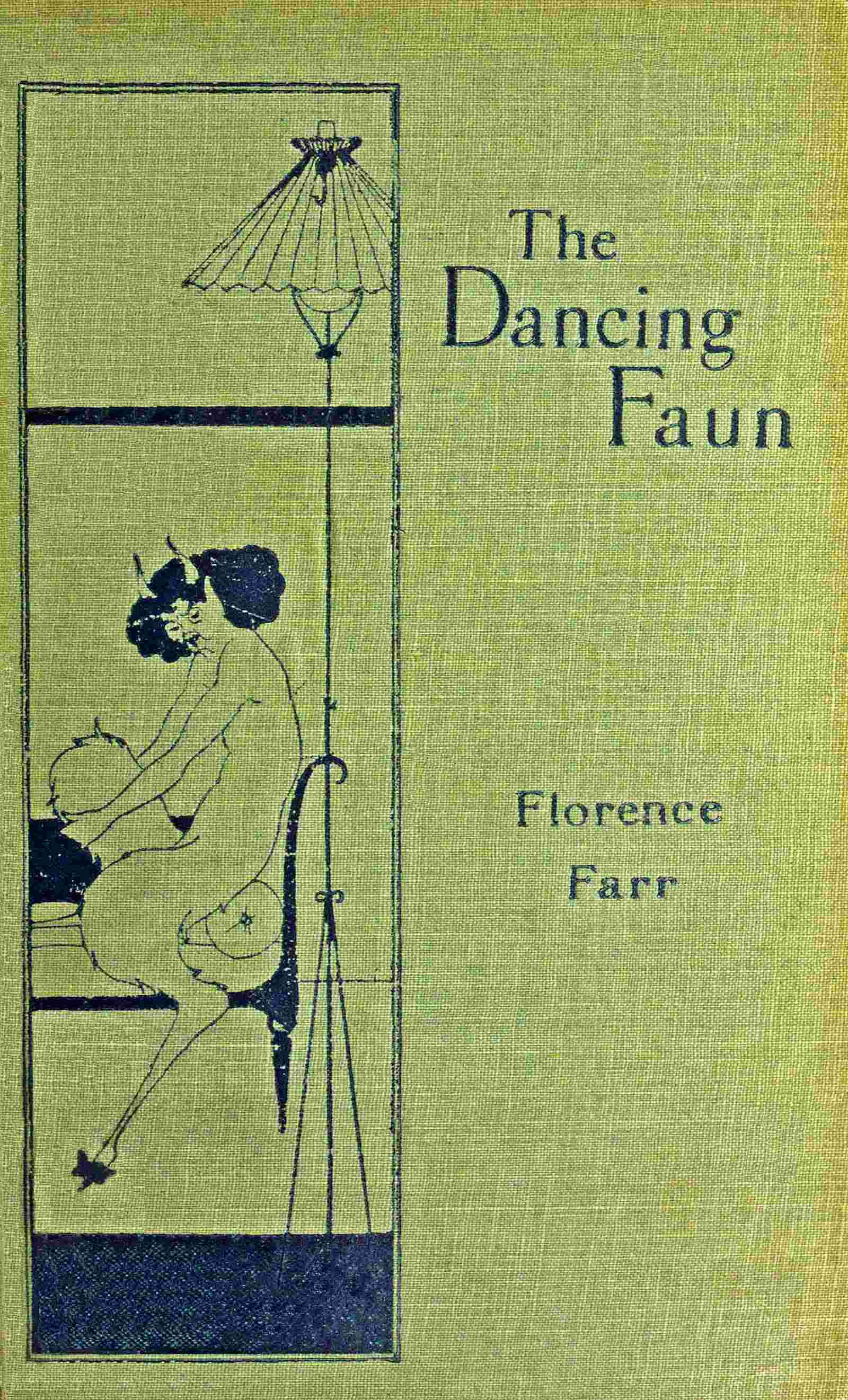
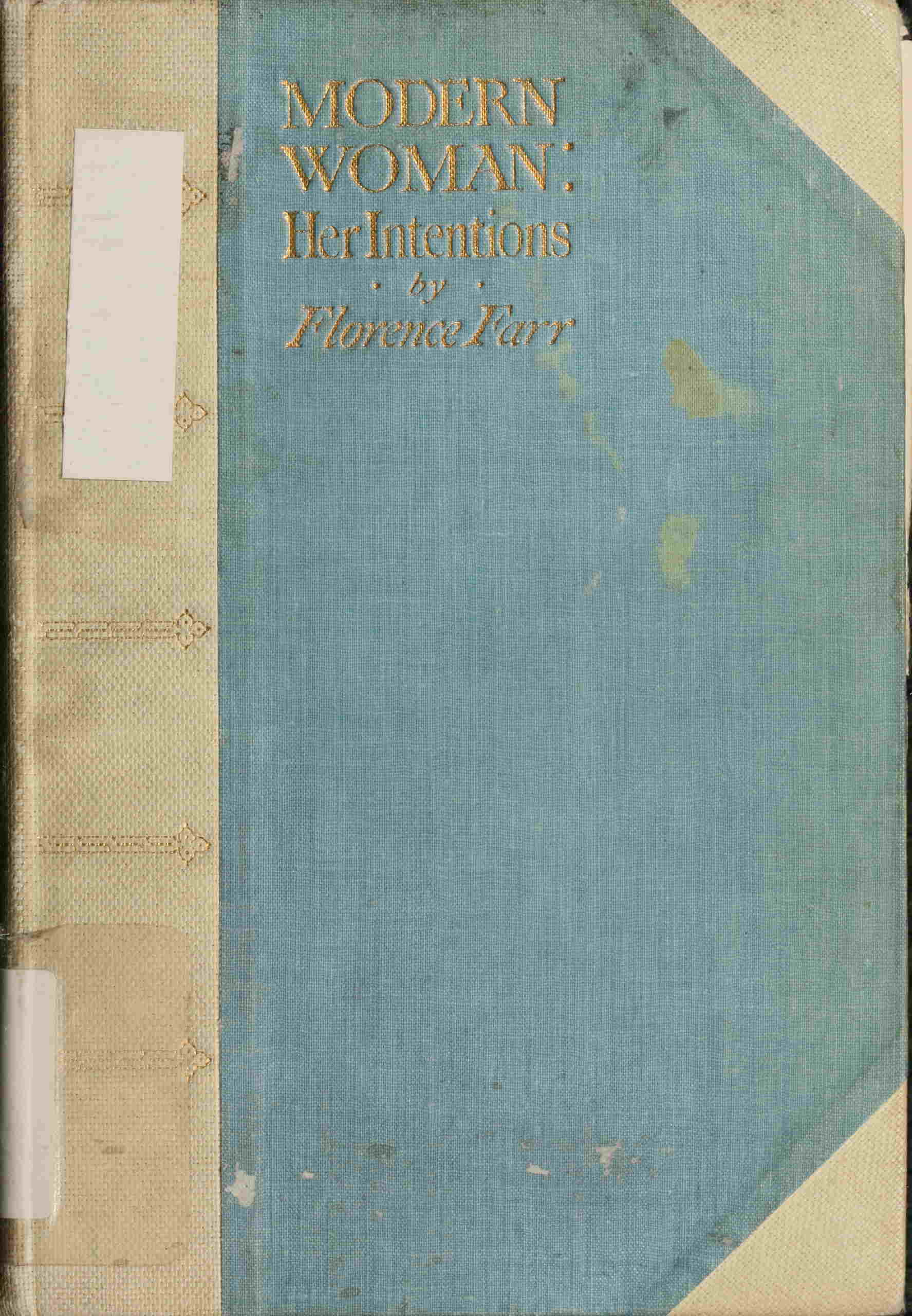
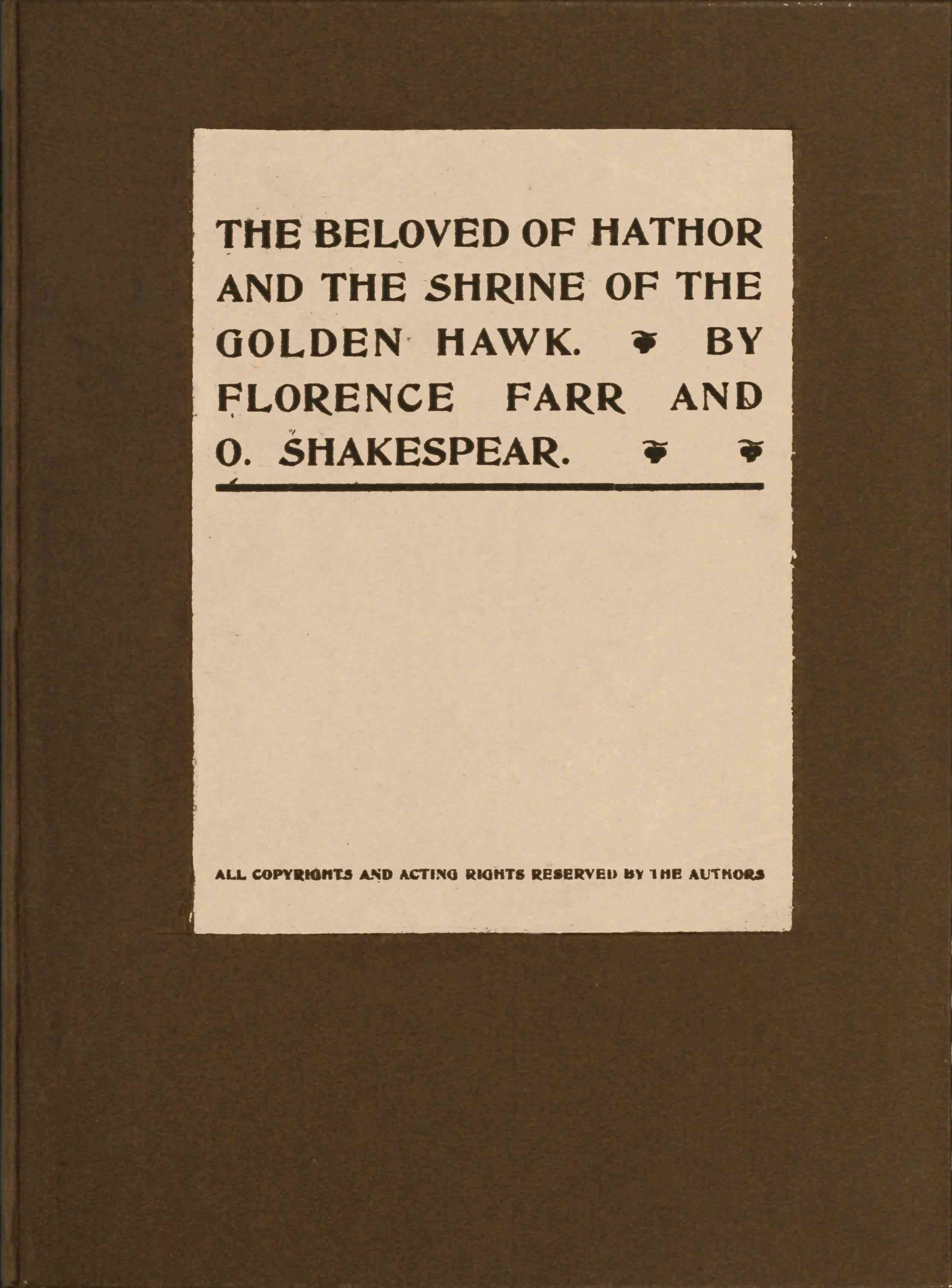
Link to this page
Add a free, dofollow link to Lex on your blog, forum, syllabus, or reading list.

<a href="https://lex-books.com/author/florence-farr"><img src="https://lex-books.com/badges/read-on-lex.svg" alt="Florence Farr on Lex" width="160" height="40"></a>[](https://lex-books.com/author/florence-farr)[url=https://lex-books.com/author/florence-farr][img]https://lex-books.com/badges/read-on-lex.svg[/img][/url]Florence Farr on Lex: https://lex-books.com/author/florence-farr