Christopher Columbus and the New World of His Discovery — Complete
1906
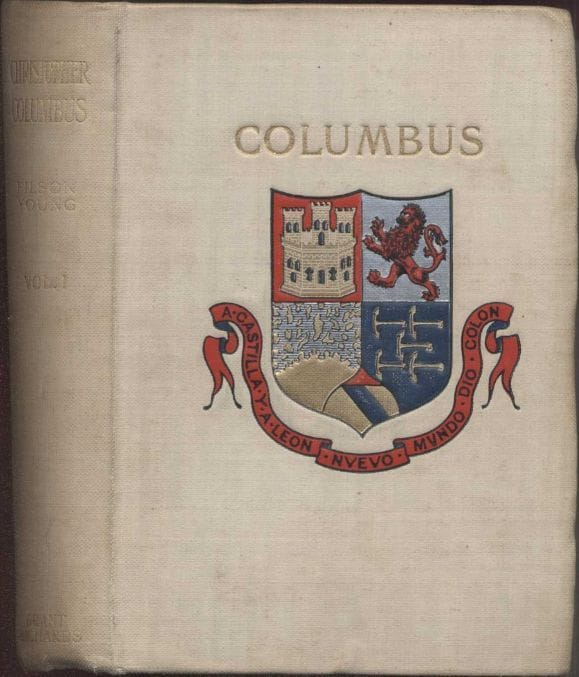
Christopher Columbus and the New World of His Discovery — Complete
1906
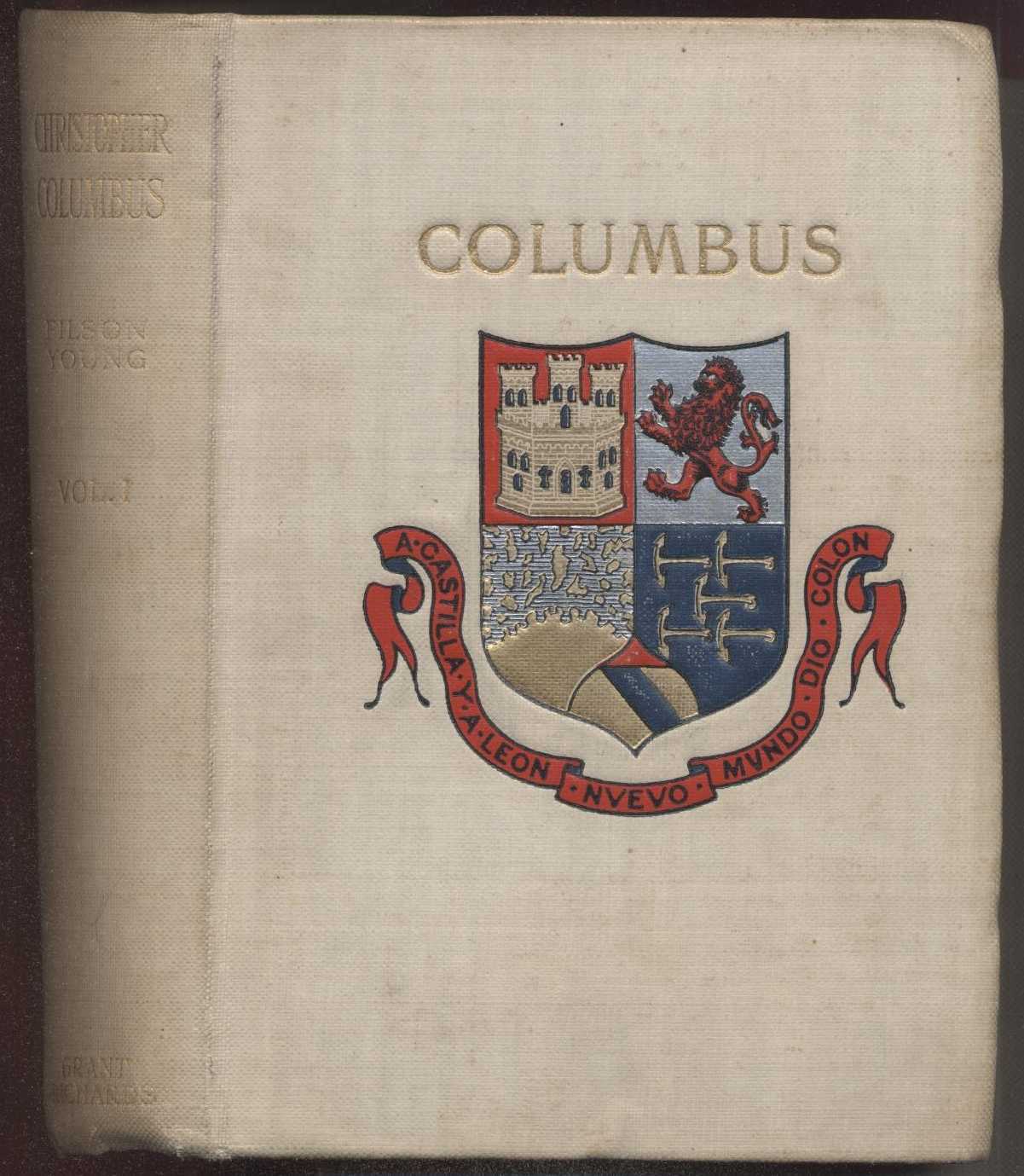
Filson Young's 1906 portrait of Christopher Columbus reads less like dry history than like a meditation on the physics of human ambition. He opens with a man standing on the shore, hypnotized by the sea's edge, and from that poetic image builds a narrative about the westward pull that defined an age. The book follows Columbus from his childhood in Genoa through the decades of petitioning, rejection, and eventual triumph that led him to cross an ocean and remap the known world. Young weaves together the personal and the epochal: the court intrigue of Ferdinand and Isabella, the gamble of sailing into the unknown, the religious fervor and commercial greed that powered Spain's imperial dreams. What distinguishes this biography is its refusal to simplify. Columbus emerges as a man of genuine vision and genuine blindspots, driven by conviction so fierce it bordered on delusion. For readers curious about how an Edwardian writer grappled with a figure who changed the shape of the globe, this offers a literary time capsule that predates modern revisionism while acknowledging the paradoxes at the heart of exploration.
Editions
X-Ray
“Columbus tried to pour the wine of civilisation into very old bottles; you, more wisely, are trying to pour the old wine of our country into new bottles. Yet there is no great unlikeness between the two tasks: it is all a matter of bottling; the vintage is the same, infinite, inexhaustible, and as punctual as the sun and the seasons. It was Columbus’s weakness as an administrator that he thought the bottle was everything; it is your strength that you care for the vintage, and labour to preserve its flavour and soft fire. Yours,””
— Filson Young
Link to this book
Add a free, dofollow link to Lex on your blog, forum, syllabus, or reading list.

<a href="https://lex-books.com/book/christopher-columbus-and-the-new-world-of-his-discovery-complete-fd46cd94-b83d-4eb5-b7a8-e512eadc871e"><img src="https://lex-books.com/badges/read-on-lex.svg" alt="Read Christopher Columbus and the New World of His Discovery — Complete by Filson Young free on Lex" width="160" height="40"></a>[](https://lex-books.com/book/christopher-columbus-and-the-new-world-of-his-discovery-complete-fd46cd94-b83d-4eb5-b7a8-e512eadc871e)[url=https://lex-books.com/book/christopher-columbus-and-the-new-world-of-his-discovery-complete-fd46cd94-b83d-4eb5-b7a8-e512eadc871e][img]https://lex-books.com/badges/read-on-lex.svg[/img][/url]Read Christopher Columbus and the New World of His Discovery — Complete by Filson Young free on Lex: https://lex-books.com/book/christopher-columbus-and-the-new-world-of-his-discovery-complete-fd46cd94-b83d-4eb5-b7a8-e512eadc871eCite this book
Reading this edition for a paper or guide? Copy a citation.
Young, Filson. Christopher Columbus and the New World of His Discovery — Complete. Lex, lex-books.com/book/christopher-columbus-and-the-new-world-of-his-discovery-complete-fd46cd94-b83d-4eb5-b7a8-e512eadc871e.Young, F. (1906). Christopher Columbus and the New World of His Discovery — Complete. Lex. https://lex-books.com/book/christopher-columbus-and-the-new-world-of-his-discovery-complete-fd46cd94-b83d-4eb5-b7a8-e512eadc871eYoung, Filson. Christopher Columbus and the New World of His Discovery — Complete. Lex. https://lex-books.com/book/christopher-columbus-and-the-new-world-of-his-discovery-complete-fd46cd94-b83d-4eb5-b7a8-e512eadc871e.