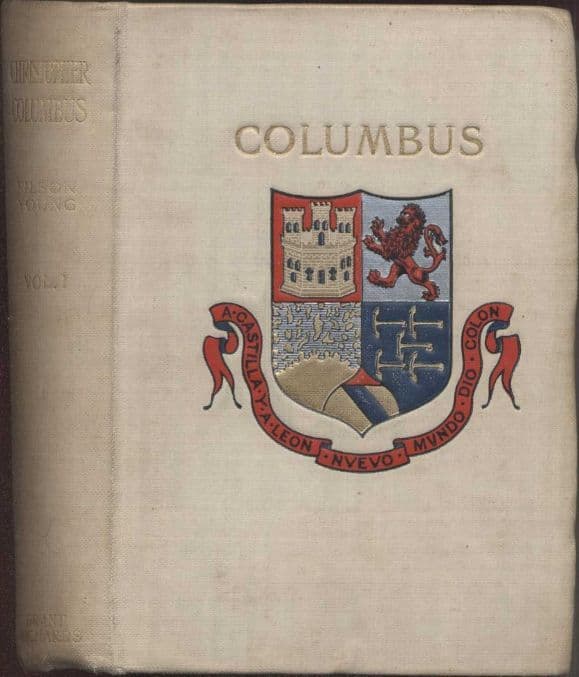
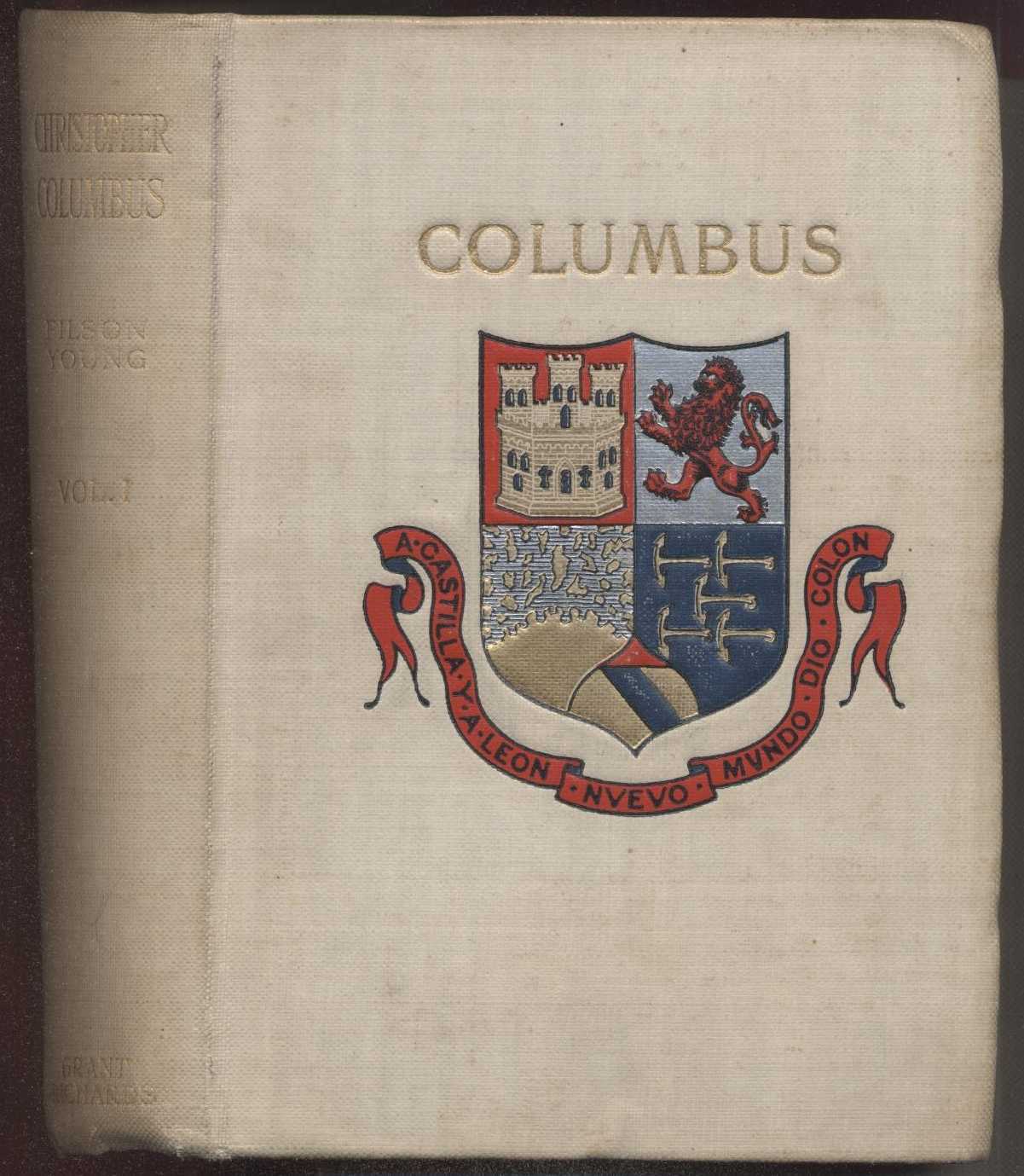
Christopher Columbus and the New World of His Discovery — Volume 4
1492
Christopher Columbus and the New World of His Discovery — Volume 4
1492
The year is 1493. Christopher Columbus, the Genoese navigator who convinced a skeptical Spanish court to fund his westward voyage, returns to Spain not as the desperate dreamer who left Palos thirteen months earlier, but as the man who changed the shape of the world. This volume chronicles his triumphant journey from the Andalusian coast through Seville to Barcelona, where the Catholic monarchs await him. The spectacle is staggering: exotic birds with plumage like living jewels, gold taken from islands whose names the Europeans cannot yet pronounce, and above all, the indigenous people themselves, Taíno men and women displayed before crowds hungry for proof of this New World. Young writes with the romantic verve of his Edwardian era, rendering Columbus's reception as something approaching religious fervor. But the shadows gather at the edges. This same celebration marks the beginning of an empire built on violence and dispossession, and the text quietly acknowledges what future volumes must confront: the cost of this "discovery" measured in human lives. For readers drawn to maritime adventure, the birth of the modern world, and the moral ambiguities that attend every great historical moment.
Editions
X-Ray
“Columbus tried to pour the wine of civilisation into very old bottles; you, more wisely, are trying to pour the old wine of our country into new bottles. Yet there is no great unlikeness between the two tasks: it is all a matter of bottling; the vintage is the same, infinite, inexhaustible, and as punctual as the sun and the seasons. It was Columbus’s weakness as an administrator that he thought the bottle was everything; it is your strength that you care for the vintage, and labour to preserve its flavour and soft fire. Yours,””
— Filson Young
Link to this book
Add a free, dofollow link to Lex on your blog, forum, syllabus, or reading list.

<a href="https://lex-books.com/book/christopher-columbus-and-the-new-world-of-his-discovery-volume-4-148bd238-c3a5-4da8-aa54-5147adc5e0b4"><img src="https://lex-books.com/badges/read-on-lex.svg" alt="Read Christopher Columbus and the New World of His Discovery — Volume 4 by Filson Young free on Lex" width="160" height="40"></a>[](https://lex-books.com/book/christopher-columbus-and-the-new-world-of-his-discovery-volume-4-148bd238-c3a5-4da8-aa54-5147adc5e0b4)[url=https://lex-books.com/book/christopher-columbus-and-the-new-world-of-his-discovery-volume-4-148bd238-c3a5-4da8-aa54-5147adc5e0b4][img]https://lex-books.com/badges/read-on-lex.svg[/img][/url]Read Christopher Columbus and the New World of His Discovery — Volume 4 by Filson Young free on Lex: https://lex-books.com/book/christopher-columbus-and-the-new-world-of-his-discovery-volume-4-148bd238-c3a5-4da8-aa54-5147adc5e0b4Cite this book
Reading this edition for a paper or guide? Copy a citation.
Young, Filson. Christopher Columbus and the New World of His Discovery — Volume 4. Lex, lex-books.com/book/christopher-columbus-and-the-new-world-of-his-discovery-volume-4-148bd238-c3a5-4da8-aa54-5147adc5e0b4.Young, F. (1492). Christopher Columbus and the New World of His Discovery — Volume 4. Lex. https://lex-books.com/book/christopher-columbus-and-the-new-world-of-his-discovery-volume-4-148bd238-c3a5-4da8-aa54-5147adc5e0b4Young, Filson. Christopher Columbus and the New World of His Discovery — Volume 4. Lex. https://lex-books.com/book/christopher-columbus-and-the-new-world-of-his-discovery-volume-4-148bd238-c3a5-4da8-aa54-5147adc5e0b4.