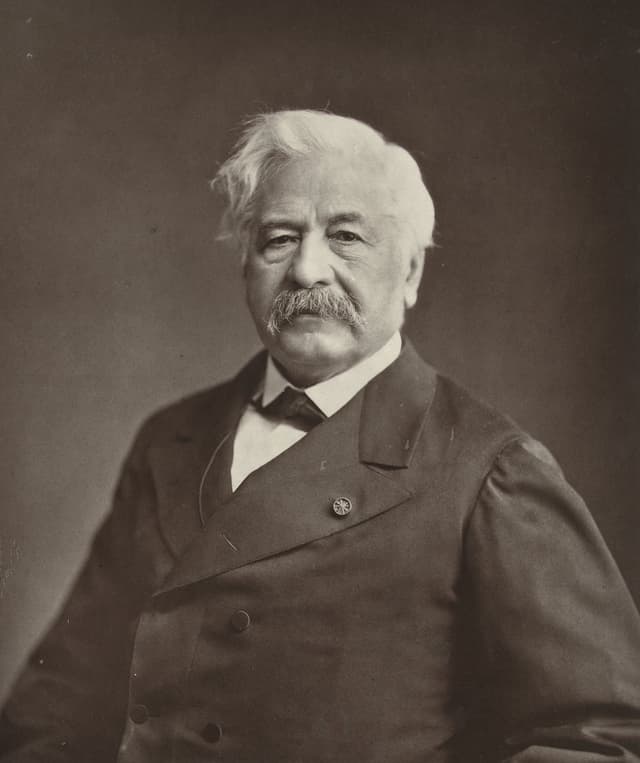
Ferdinand de Lesseps
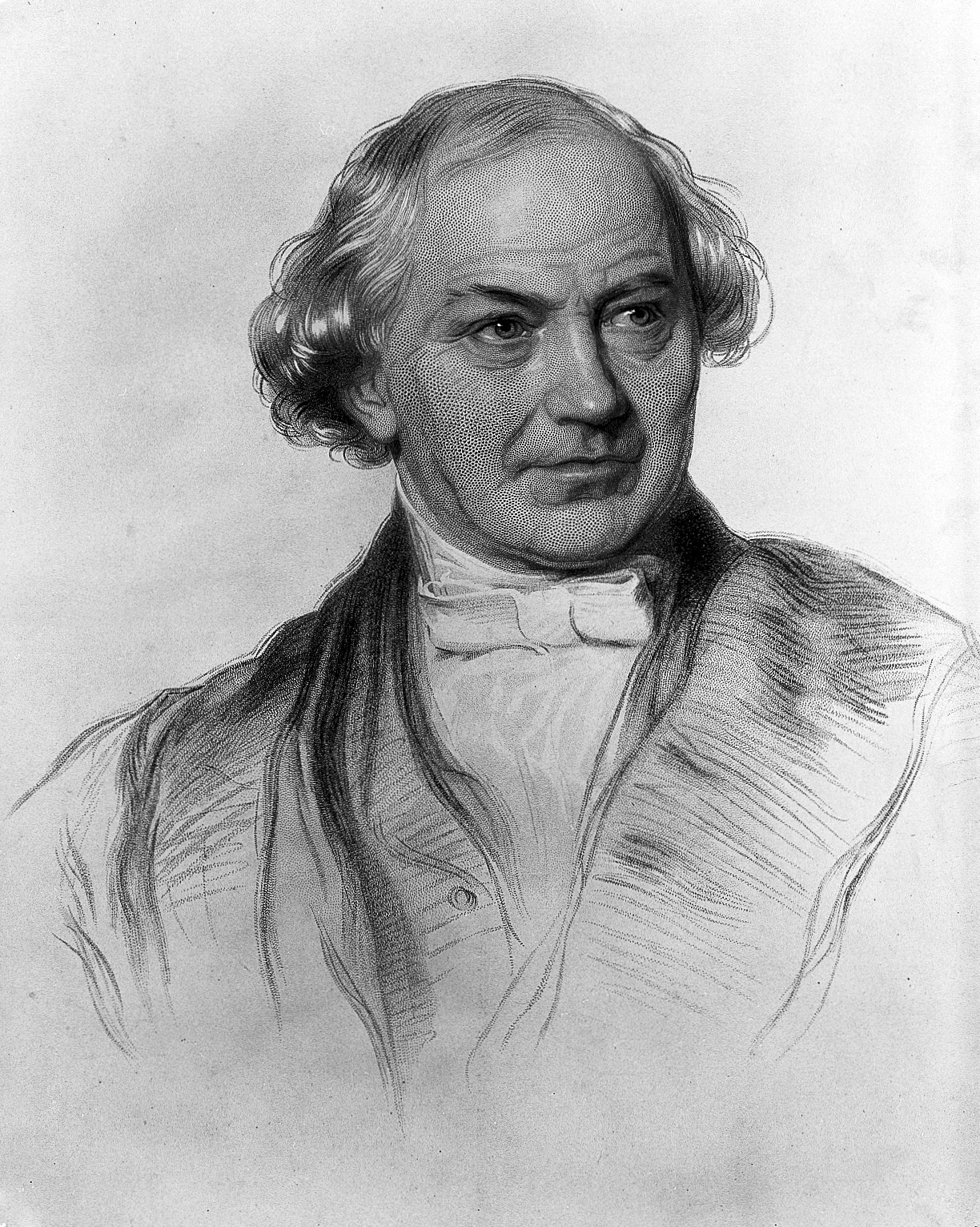
Ferdinand de Lesseps was a prominent French diplomat and engineer best known for his role in the construction of the Suez Canal, which opened in 1869 and revolutionized maritime trade by connecting the Mediterranean Sea to the Red Sea. This monumental achievement significantly shortened the journey between Europe and East Asia, establishing de Lesseps as a key figure in 19th-century engineering and international commerce. His success with the Suez Canal earned him widespread acclaim and solidified his reputation as a visionary in the field of transportation and infrastructure. Following his triumph with the Suez Canal, de Lesseps embarked on an ambitious project to construct a sea-level Panama Canal in the 1880s. However, this endeavor faced insurmountable challenges, including devastating outbreaks of malaria and yellow fever, as well as severe financial difficulties. Ultimately, the Panama Canal project was abandoned under his leadership and later taken over by the United States, which opted for a different design that included locks. Despite the failure of the Panama Canal, de Lesseps' contributions to engineering and his pioneering spirit left a lasting legacy in the world of global trade and infrastructure development.
Famous Quotes
View all 1 quotes“Since 1849 I have studied incessantly, under all its aspects, a question which was already in my mind since 1832. I confess that my scheme is still a mere dream, and I do not shut my eyes to the fact that so long as I alone believe it to be possible, it is virtually impossible. ... The scheme in question is the cutting of a canal through the Isthmus of Suez. This has been thought of from the earliest historical times, and for that very reason is looked upon as impracticable. Geographical dictionaries inform us indeed that the project would have been executed long ago but for insurmountable obstacles. [On his inspiration for the Suez Canal.]”
Books from the author



Link to this page
Add a free, dofollow link to Lex on your blog, forum, syllabus, or reading list.

<a href="https://lex-books.com/author/ferdinand-de-lesseps"><img src="https://lex-books.com/badges/read-on-lex.svg" alt="Ferdinand de Lesseps on Lex" width="160" height="40"></a>[](https://lex-books.com/author/ferdinand-de-lesseps)[url=https://lex-books.com/author/ferdinand-de-lesseps][img]https://lex-books.com/badges/read-on-lex.svg[/img][/url]Ferdinand de Lesseps on Lex: https://lex-books.com/author/ferdinand-de-lesseps