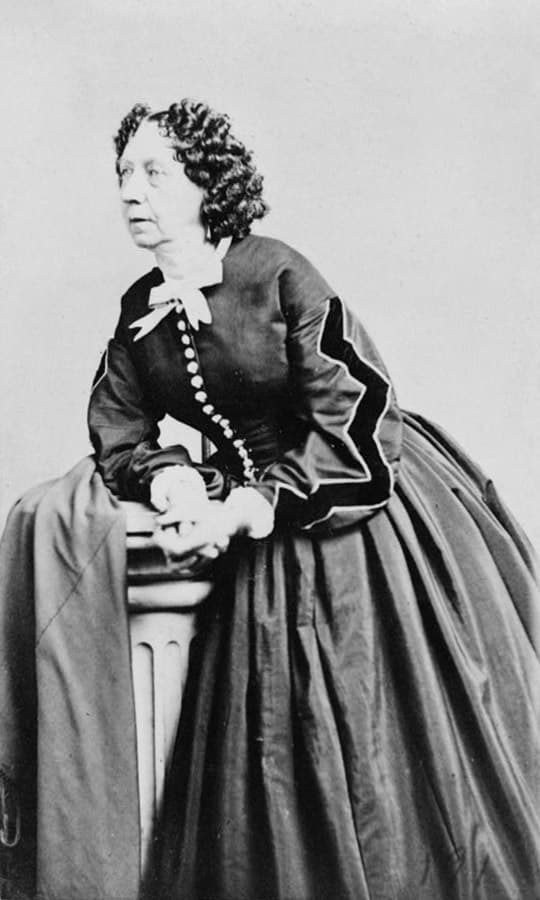
Fanny Fern
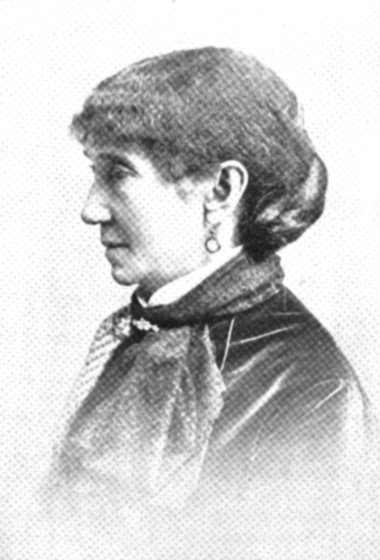
Fanny Fern, born Sara Payson Willis, was a prominent American novelist, humorist, and newspaper columnist whose work flourished in the mid-19th century. She gained widespread recognition for her relatable and conversational writing style, which resonated with her primarily middle-class female audience. By the mid-1850s, Fern had established herself as the highest-paid columnist in the United States, earning an impressive $100 per week for her contributions to the New York Ledger. Her collection of columns, published in 1853, achieved remarkable success, selling 70,000 copies within its first year, a testament to her popularity and influence during that era. Fern's most notable work, the fictional autobiography Ruth Hall, published in 1854, explores themes of female independence and societal expectations, making it a significant text in feminist literary studies. Through her writing, Fern challenged the conventional roles of women in her time, advocating for their rights and expressing their struggles with wit and insight. Her legacy endures as a pioneering voice in American literature, paving the way for future generations of female writers and contributing to the broader discourse on women's issues in the 19th century.
Famous Quotes
View all 3 quotes“She said it was beautiful to be loved, and that it made everything on earth look brighter.”
“There are no little things. Little things are the hinges of the universe.”
“I wish one half the world were not fools, and the other half idiots.”
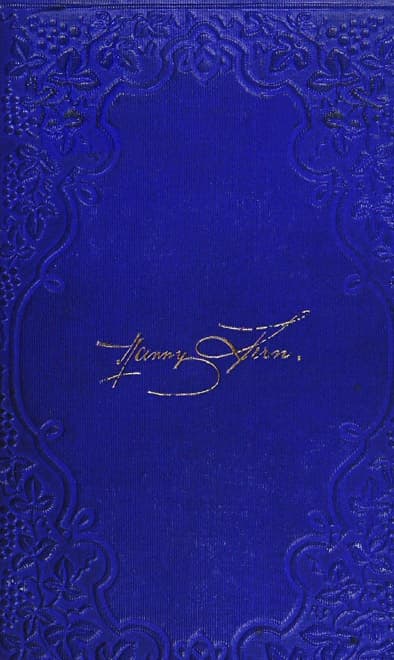
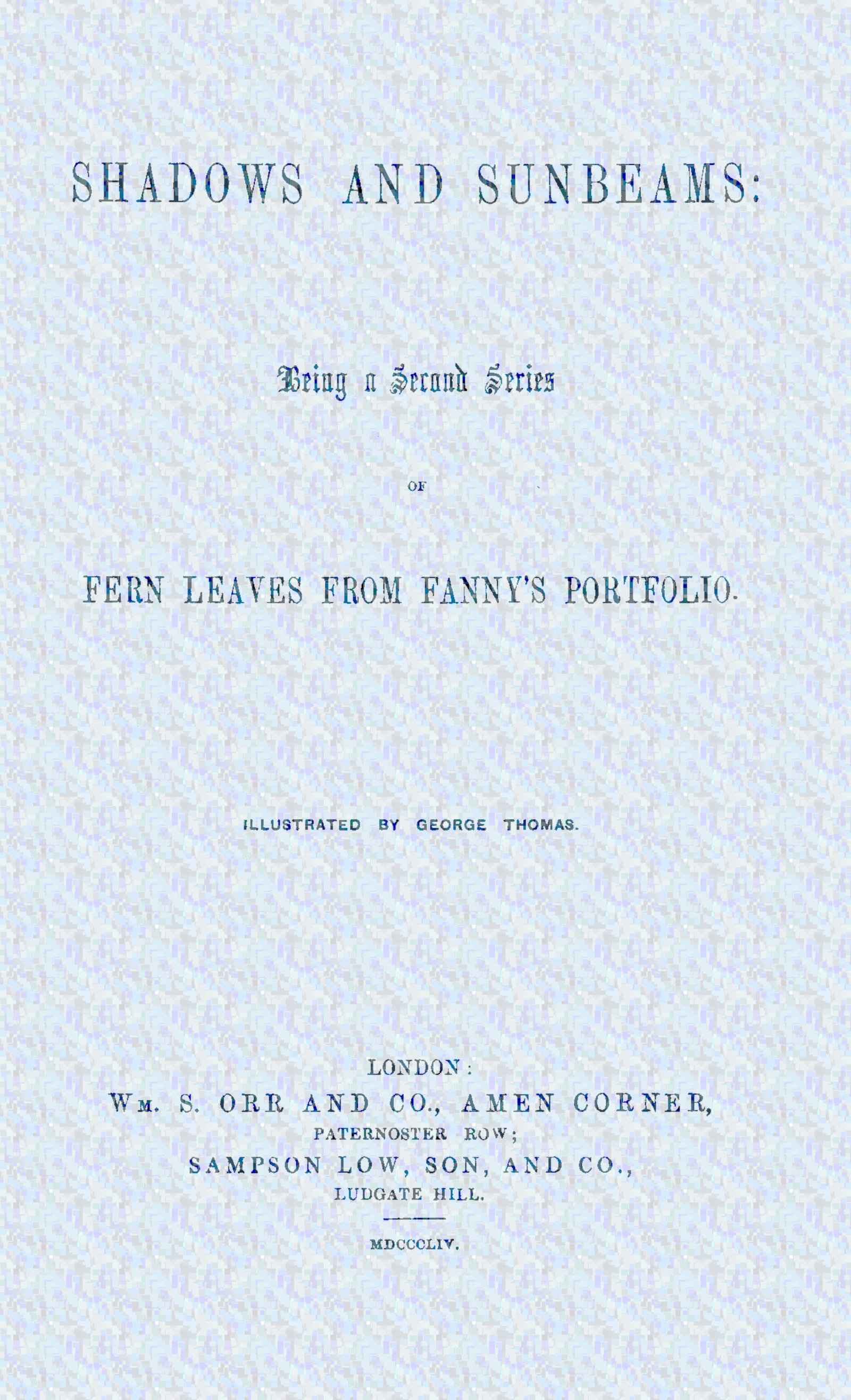
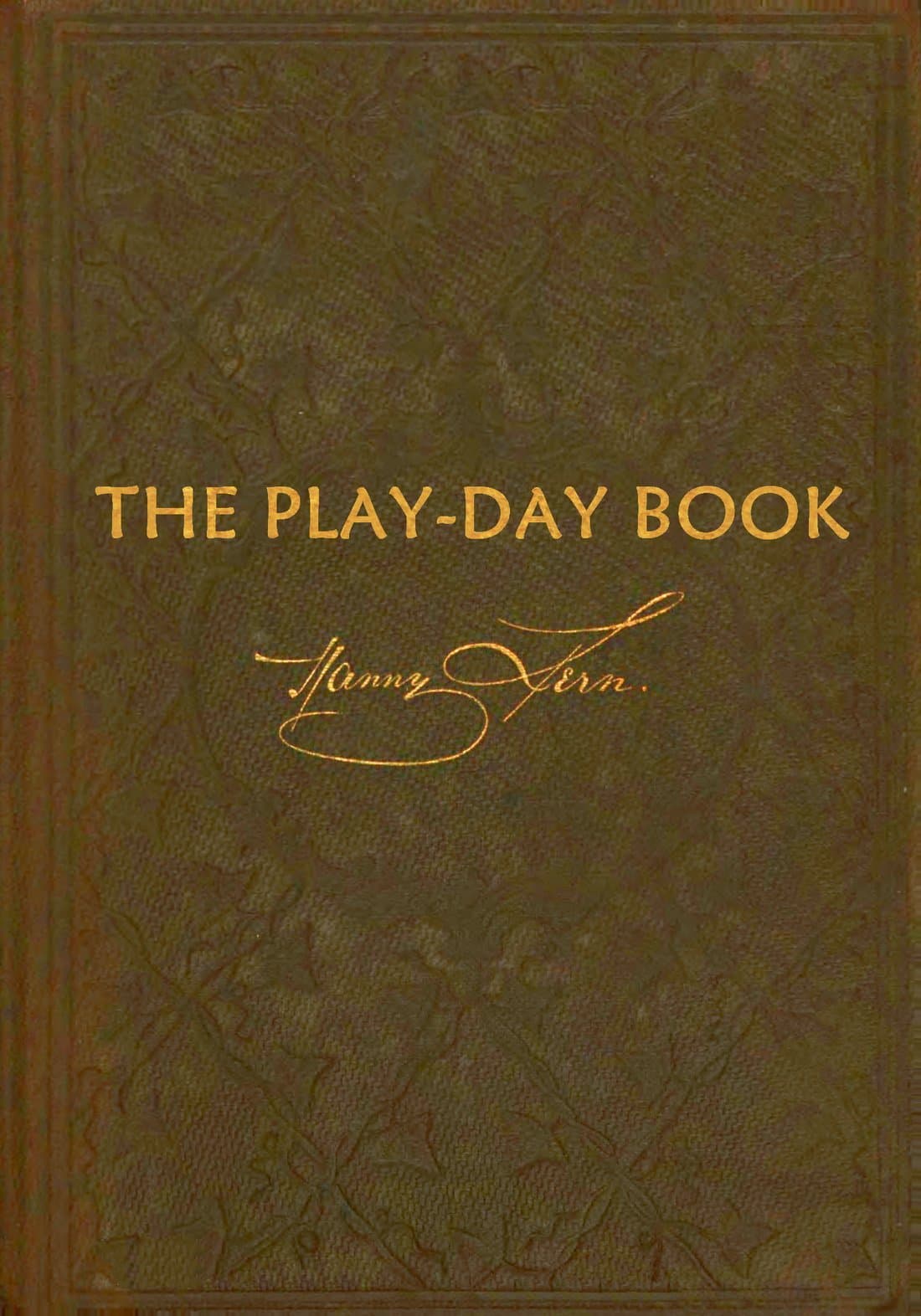
Books from the author





Link to this page
Add a free, dofollow link to Lex on your blog, forum, syllabus, or reading list.

<a href="https://lex-books.com/author/fanny-fern"><img src="https://lex-books.com/badges/read-on-lex.svg" alt="Fanny Fern on Lex" width="160" height="40"></a>[](https://lex-books.com/author/fanny-fern)[url=https://lex-books.com/author/fanny-fern][img]https://lex-books.com/badges/read-on-lex.svg[/img][/url]Fanny Fern on Lex: https://lex-books.com/author/fanny-fern