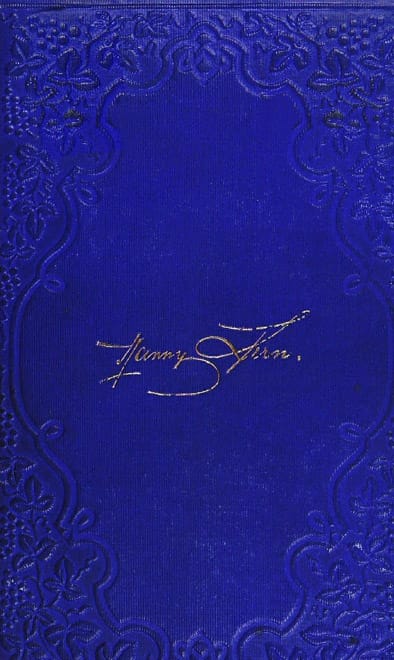
Ruth Hall: A Domestic Tale of the Present Time
1854
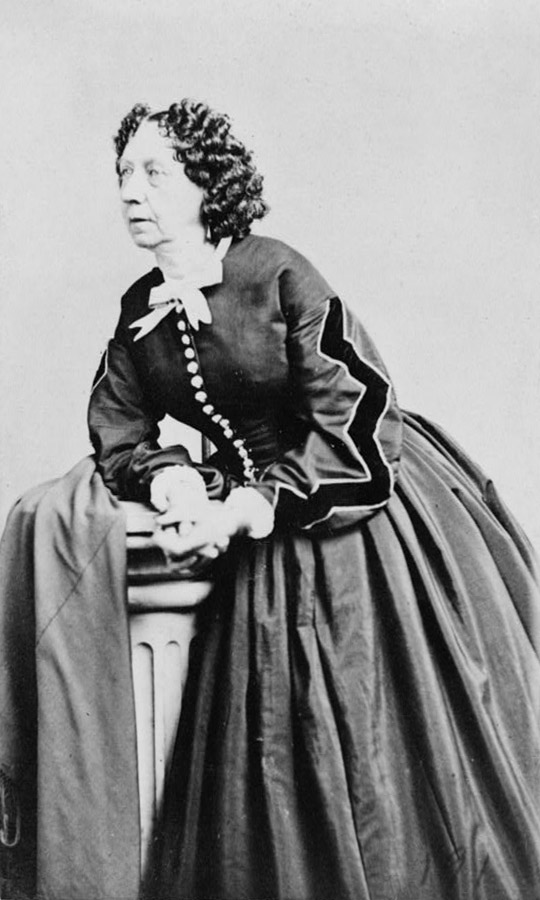
In 1854, a grieving widow with no marketable skills and a young daughter to support did the unthinkable: she wrote a novel about her own life, her dead child, her indifferent family, her desperate poverty. The result was Ruth Hall, and it became one of the decade's most electrifying bestsellers. Fanny Fern, who had lost her husband and infant son, who had been cut off by her wealthy family for refusing to conform, poured her actual grief into fiction, creating something unprecedented: a woman's interior life rendered with raw, uncomfortable honesty. The novel follows Ruth from her wedding day through the suffocating tedium of domestic life, the devastating loss of her children, the humiliations of trying to earn a living in a world that sees women as decorative rather than capable. Told in fragmented vignettes and overheard conversations, the prose feels startlingly modern, more diary entry than Victorian novel. Ruth's journey from dependent wife to self-supporting writer is not triumphant but hard-won, shadowed by what was lost along the way. This is feminist fiction before the word existed, unafraid to show the costs of simply trying to survive as a woman.
Editions
X-Ray
“She said it was beautiful to be loved, and that it made everything on earth look brighter.””
— Fanny Fern
“Never compel yourself to say words to which the heart yields no response.””
— Fanny Fern
“Life has much of harmony yet in store for you.””
— Fanny Fern
Link to this book
Add a free, dofollow link to Lex on your blog, forum, syllabus, or reading list.

<a href="https://lex-books.com/book/ruth-hall-a-domestic-tale-of-the-present-time-24520a16-0303-4e4a-b42d-69de63c70ef3"><img src="https://lex-books.com/badges/read-on-lex.svg" alt="Read Ruth Hall: A Domestic Tale of the Present Time by Fanny Fern free on Lex" width="160" height="40"></a>[](https://lex-books.com/book/ruth-hall-a-domestic-tale-of-the-present-time-24520a16-0303-4e4a-b42d-69de63c70ef3)[url=https://lex-books.com/book/ruth-hall-a-domestic-tale-of-the-present-time-24520a16-0303-4e4a-b42d-69de63c70ef3][img]https://lex-books.com/badges/read-on-lex.svg[/img][/url]Read Ruth Hall: A Domestic Tale of the Present Time by Fanny Fern free on Lex: https://lex-books.com/book/ruth-hall-a-domestic-tale-of-the-present-time-24520a16-0303-4e4a-b42d-69de63c70ef3Cite this book
Reading this edition for a paper or guide? Copy a citation.
Fern, Fanny. Ruth Hall: A Domestic Tale of the Present Time. Lex, lex-books.com/book/ruth-hall-a-domestic-tale-of-the-present-time-24520a16-0303-4e4a-b42d-69de63c70ef3.Fern, F. (1854). Ruth Hall: A Domestic Tale of the Present Time. Lex. https://lex-books.com/book/ruth-hall-a-domestic-tale-of-the-present-time-24520a16-0303-4e4a-b42d-69de63c70ef3Fern, Fanny. Ruth Hall: A Domestic Tale of the Present Time. Lex. https://lex-books.com/book/ruth-hall-a-domestic-tale-of-the-present-time-24520a16-0303-4e4a-b42d-69de63c70ef3.