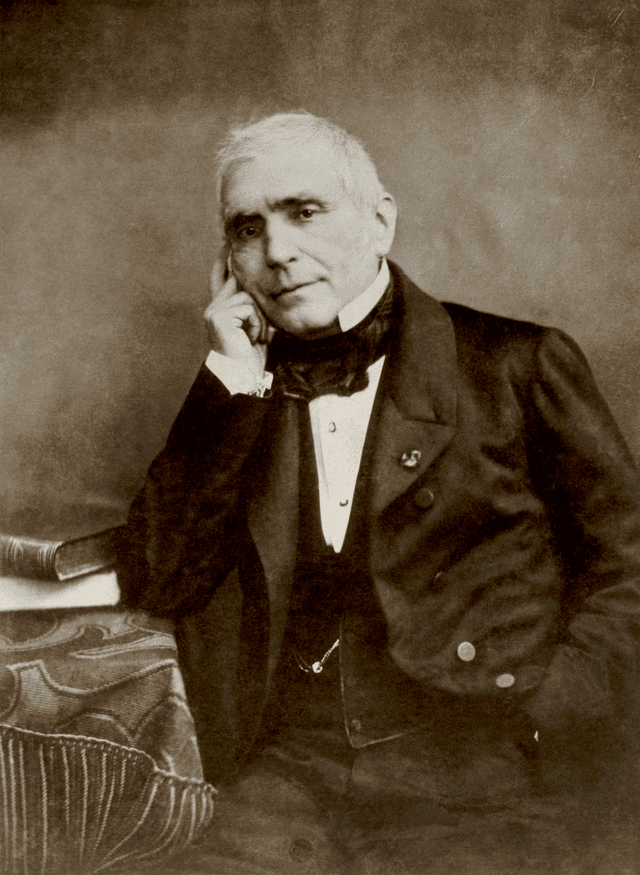
Eugène Scribe
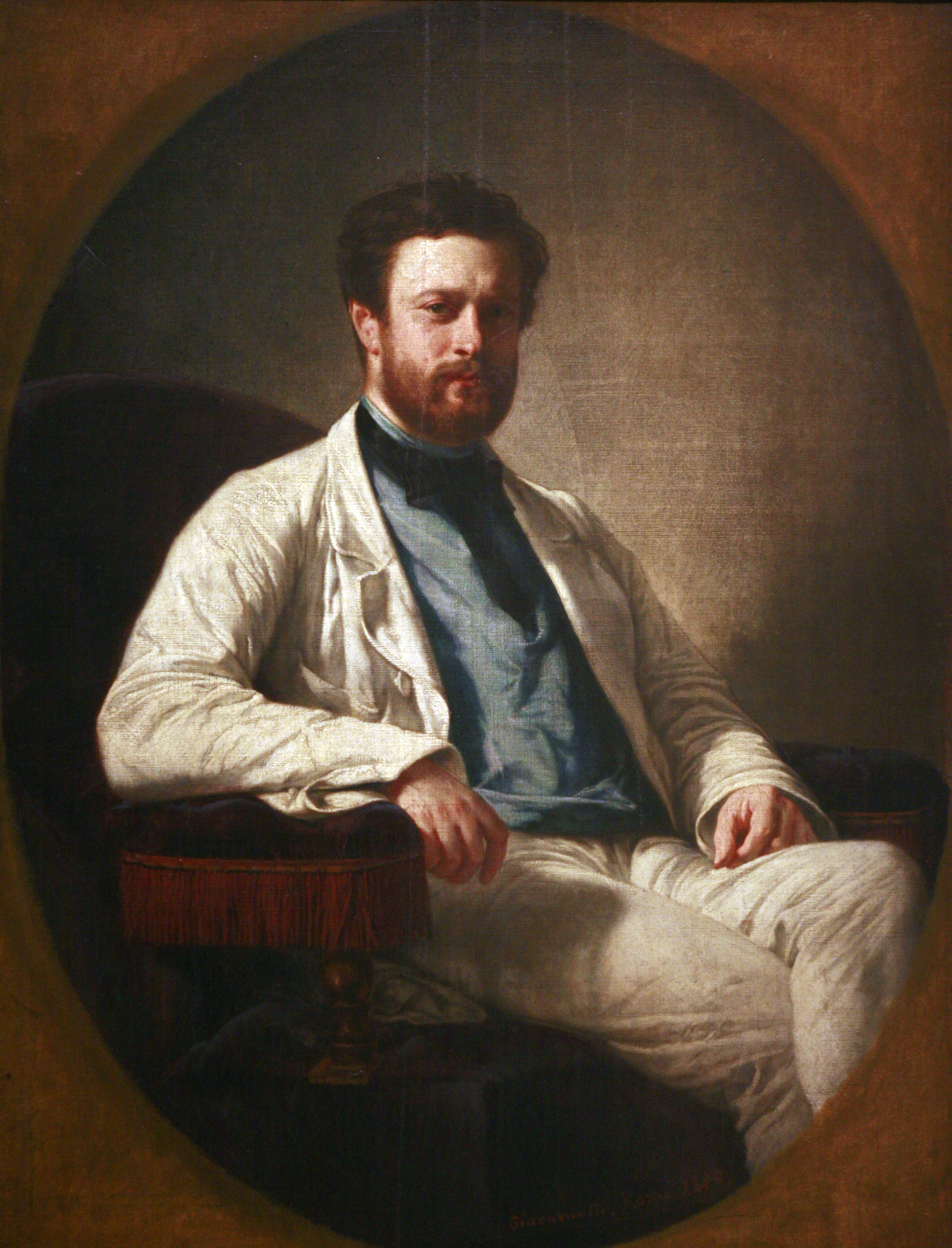
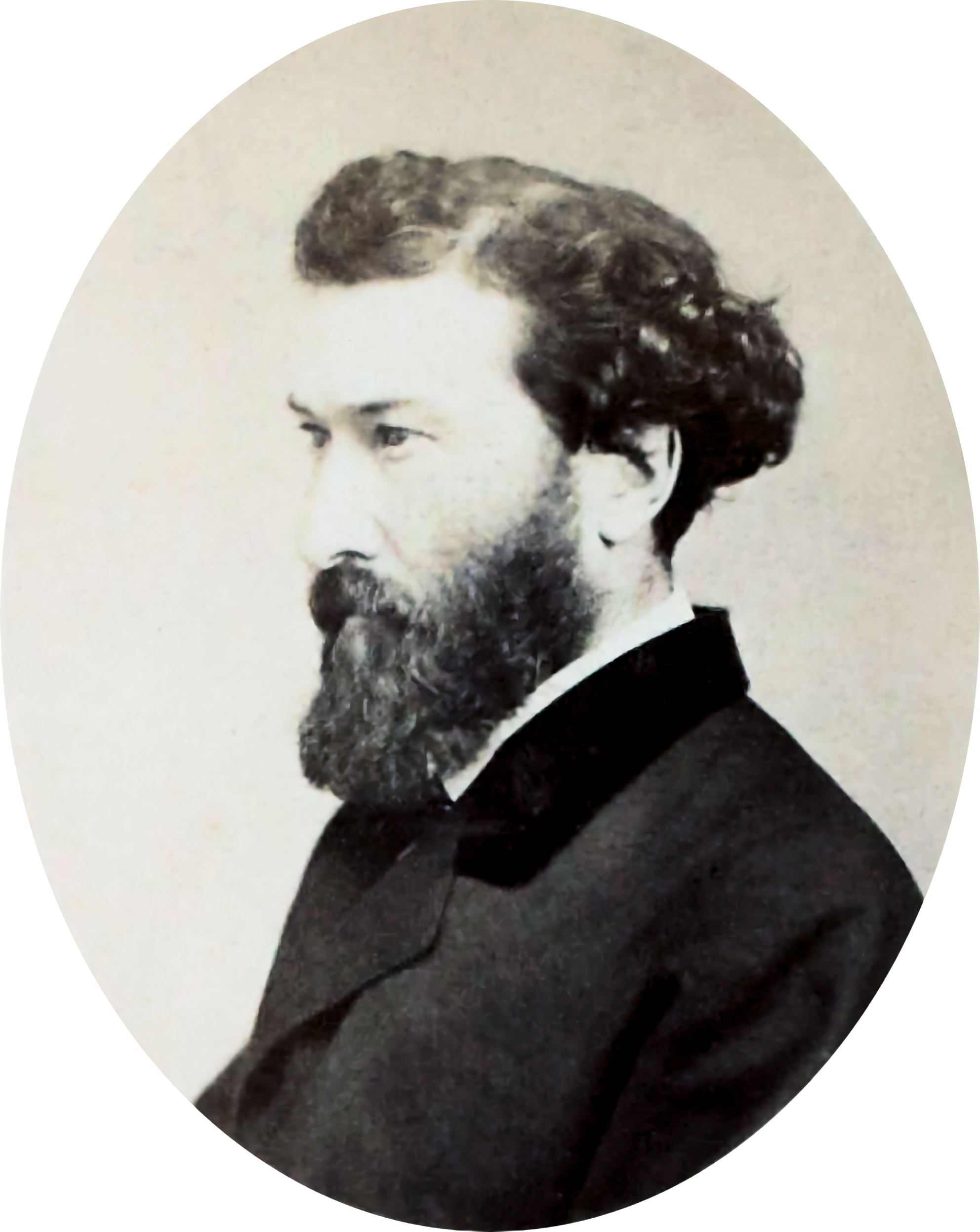
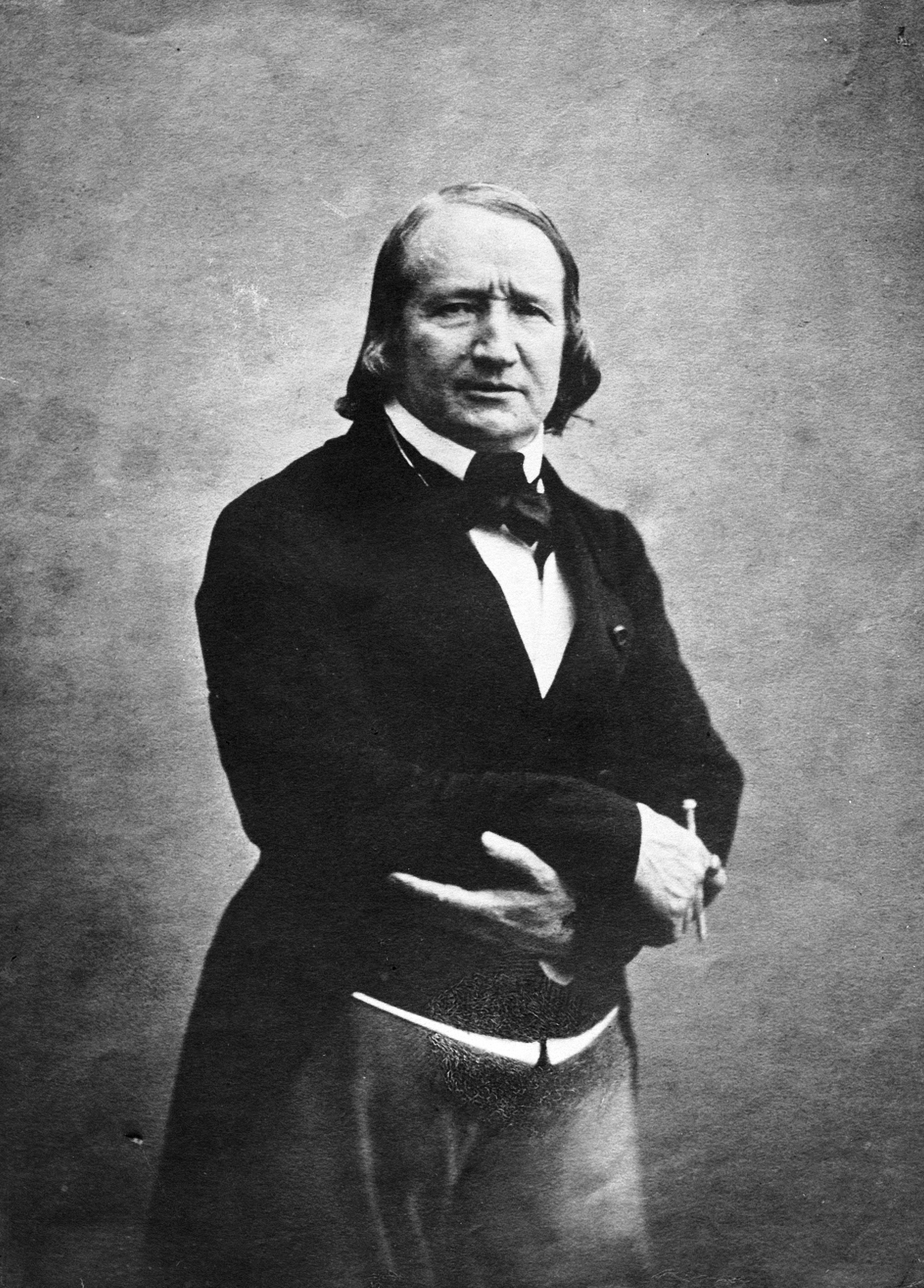
Eugène Scribe was a prominent French dramatist and librettist, renowned for his significant contributions to the development of the modern theatrical form in the 19th century. Born in Paris, Scribe began his career in the theater in the early 1800s and quickly established himself as a leading figure in the world of French drama. His works often featured intricate plots and a focus on contemporary social issues, making him a favorite among audiences and critics alike. Among his most notable plays are 'Adrienne Lecouvreur' and 'Les Frères de la côte,' which exemplify his mastery of dramatic structure and character development. Scribe's influence extended beyond the stage; he was instrumental in shaping the operatic genre as well, collaborating with composers such as Giacomo Meyerbeer and Daniel-François-Esprit Auber. His librettos for operas like 'Robert le Diable' and 'La Juive' became staples of the operatic repertoire, showcasing his ability to blend lyrical storytelling with musical composition. Scribe's legacy lies in his role as a pioneer of the well-made play, a theatrical style characterized by its tight construction and emphasis on plot mechanics, which would go on to influence generations of playwrights and screenwriters. His work not only entertained but also reflected the complexities of his time, securing his place as a key figure in the history of French literature and theater.
Books from the author


Link to this page
Add a free, dofollow link to Lex on your blog, forum, syllabus, or reading list.

<a href="https://lex-books.com/author/eugène-scribe"><img src="https://lex-books.com/badges/read-on-lex.svg" alt="Eugène Scribe on Lex" width="160" height="40"></a>[](https://lex-books.com/author/eugène-scribe)[url=https://lex-books.com/author/eugène-scribe][img]https://lex-books.com/badges/read-on-lex.svg[/img][/url]Eugène Scribe on Lex: https://lex-books.com/author/eugène-scribe