La Cité De Carcassonne
1890
La Cité De Carcassonne
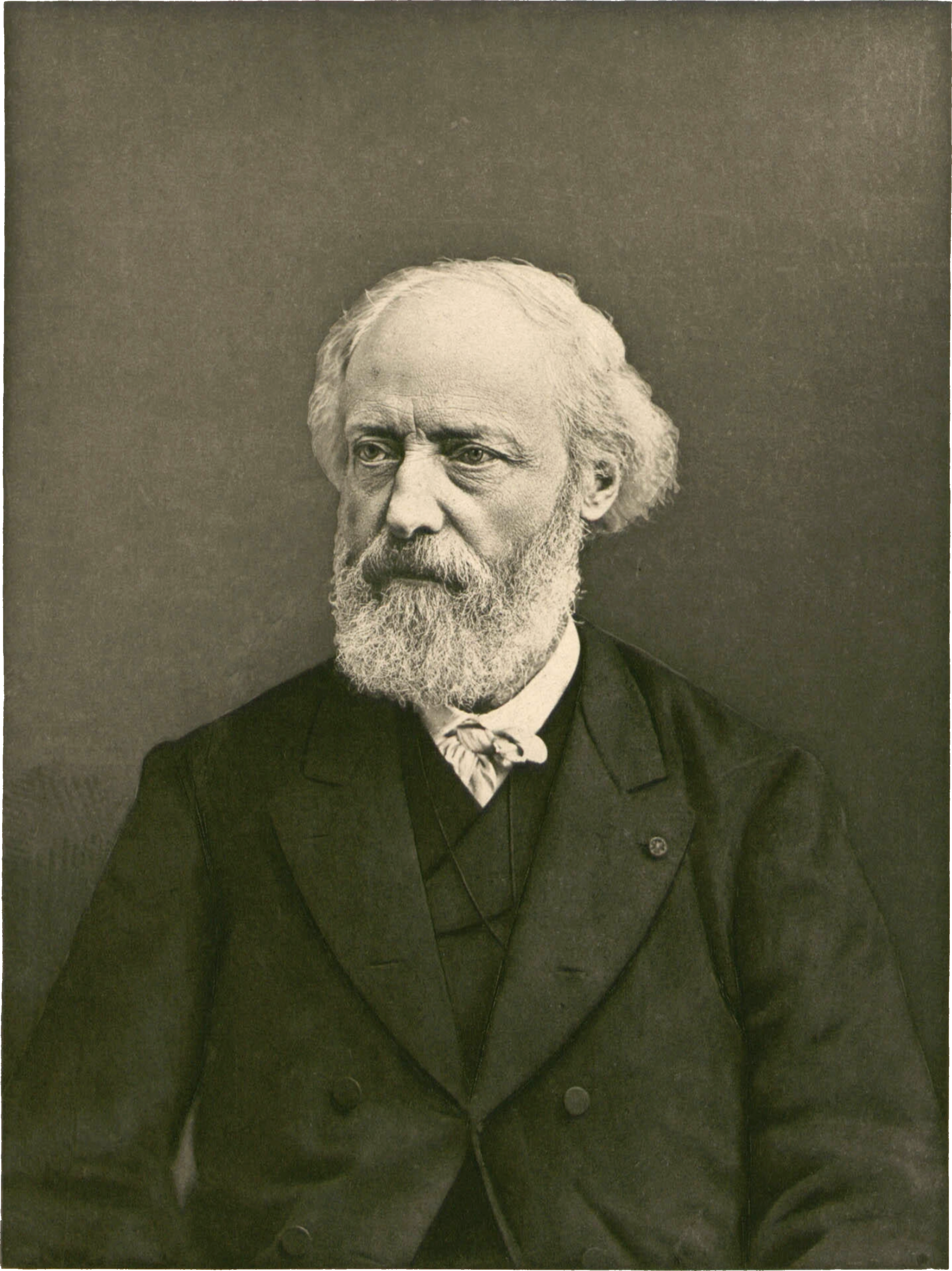
Eugène-Emmanuel Viollet-le-Duc
1890
''La cité de Carcassonne'' by Eugène-Emmanuel Viollet-le-Duc is a historical account published in the late 19th century. The work focuses on the architectural and historical details of the medieval fortress of Carcassonne, examining its construction, fortifications, and significance throughout various historical periods. The book likely serves as both a scholarly resource and a detailed narrative for readers interested in history, architecture, and the legacy of medieval structures. The opening of ''La cité de Carcassonne'' provides a detailed historical introduction to the fortress, tracing its origins from Roman times through the various regimes that have claimed it, notably the Visigoths. The text discusses the strategic importance of Carcassonne, from its geographic position commanding the Aude valley to the military adaptations made over the centuries. Viollet-le-Duc meticulously describes the evolution of the city's defenses, emphasizing how various architectural elements reflect the changing needs of warfare and society. This initial portion sets the foundation for an exploration of the city's layered history and the architectural techniques employed in its construction, inviting readers to appreciate not only the structure itself but its storied past.
Editions
X-Ray
The author and architect who conducted the restoration and study of Carcassonne. He serves as the scholarly narrator, providing detailed historical and architectural analysis of the fortified city.
Vicomte of Carcassonne in the late 11th century who dealt with bourgeois revolts and established the feudal system of castle guards. His reign saw important construction work on the cathedral and fortifications.
Leader of the Albigensian Crusade who besieged and captured Carcassonne in 1209. His conquest marked the end of the Trencavel dynasty and the beginning of French royal control.
Last Viscount of Carcassonne who defended the city against the Crusaders in 1209. He died mysteriously in prison after the city's surrender.
About La Cité De Carcassonne
Chapter Summaries
- 1
- Traces Carcassonne's history from Roman colonization through Visigothic rule to the Albigensian Crusade. Details the construction phases of fortifications and the political changes that shaped the city's development through various conquests and reconstructions.
- 2
- Provides detailed architectural analysis of the double-wall fortification system, focusing on the Narbonnaise Gate and various towers. Explains defensive mechanisms including hourds, machicoulis, and siege warfare techniques used in medieval times.
- 3
- Describes the cathedral's architectural evolution from Romanesque nave to Gothic transept and choir. Details the tombs of bishops and the magnificent stained glass windows, showing the integration of religious architecture within the fortress.
Key Themes
- Military Architecture and Defense
- Viollet-le-Duc extensively analyzes the evolution of fortification techniques from Roman through medieval periods. He demonstrates how each era's military needs shaped architectural innovations, from Visigothic repairs to the sophisticated double-wall system of the 13th century.
- Historical Continuity and Change
- The text traces how successive civilizations built upon previous foundations, literally and figuratively. Roman stones support Visigothic walls, which in turn are reinforced by French royal fortifications, showing historical layering in architecture.
- Strategic Geography
- Carcassonne's location controlling the gap between the Pyrenees and Massif Central made it crucial for controlling routes between the Mediterranean and Atlantic. This geographical imperative drove its continuous fortification and political importance.
Characters
- Eugène-Emmanuel Viollet-le-Duc(protagonist)
- The author and architect who conducted the restoration and study of Carcassonne. He serves as the scholarly narrator, providing detailed historical and architectural analysis of the fortified city.
- Bernard Aton(major)
- Vicomte of Carcassonne in the late 11th century who dealt with bourgeois revolts and established the feudal system of castle guards. His reign saw important construction work on the cathedral and fortifications.
- Simon de Montfort(major)
- Leader of the Albigensian Crusade who besieged and captured Carcassonne in 1209. His conquest marked the end of the Trencavel dynasty and the beginning of French royal control.
- Raymond Roger de Trencavel(major)
- Last Viscount of Carcassonne who defended the city against the Crusaders in 1209. He died mysteriously in prison after the city's surrender.
- Louis IX (Saint Louis)(major)
- King of France who transformed Carcassonne into an impregnable fortress after 1240. He built the outer walls and established the new town across the Aude River.
- Philippe le Hardi(major)
- Son of Louis IX who completed the fortifications of Carcassonne, particularly the inner walls and the magnificent Narbonnaise Gate. His work was finished by 1285.
Link to this book
Add a free, dofollow link to Lex on your blog, forum, syllabus, or reading list.

<a href="https://lex-books.com/book/la-cit-de-carcassonne-3c04c512-9a90-4c4c-92b7-ed6128fc9731"><img src="https://lex-books.com/badges/read-on-lex.svg" alt="Read La Cité De Carcassonne by Eugène-Emmanuel Viollet-le-Duc free on Lex" width="160" height="40"></a>[](https://lex-books.com/book/la-cit-de-carcassonne-3c04c512-9a90-4c4c-92b7-ed6128fc9731)[url=https://lex-books.com/book/la-cit-de-carcassonne-3c04c512-9a90-4c4c-92b7-ed6128fc9731][img]https://lex-books.com/badges/read-on-lex.svg[/img][/url]Read La Cité De Carcassonne by Eugène-Emmanuel Viollet-le-Duc free on Lex: https://lex-books.com/book/la-cit-de-carcassonne-3c04c512-9a90-4c4c-92b7-ed6128fc9731Cite this book
Reading this edition for a paper or guide? Copy a citation.
Viollet-le-Duc, Eugène-Emmanuel. La Cité De Carcassonne. Lex, lex-books.com/book/la-cit-de-carcassonne-3c04c512-9a90-4c4c-92b7-ed6128fc9731.Viollet-le-Duc, E. (1890). La Cité De Carcassonne. Lex. https://lex-books.com/book/la-cit-de-carcassonne-3c04c512-9a90-4c4c-92b7-ed6128fc9731Viollet-le-Duc, Eugène-Emmanuel. La Cité De Carcassonne. Lex. https://lex-books.com/book/la-cit-de-carcassonne-3c04c512-9a90-4c4c-92b7-ed6128fc9731.