Dictionnaire Raisonné De L'architecture Française Du Xie Au Xvie Siècle - Tome 7 - (p)
1875
Dictionnaire Raisonné De L'architecture Française Du Xie Au Xvie Siècle - Tome 7 - (p)
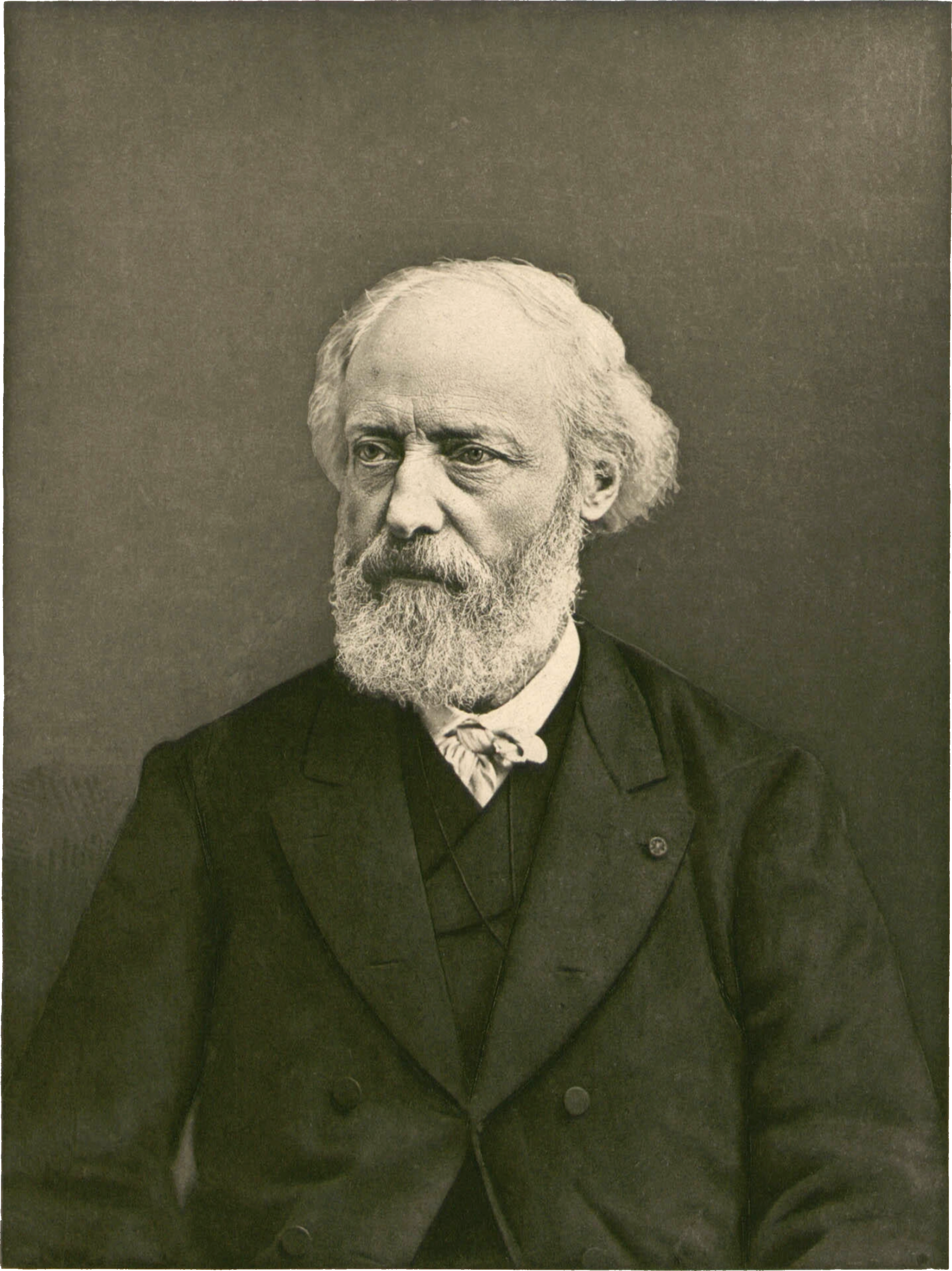
Eugène-Emmanuel Viollet-le-Duc
1875
A scholarly reference work written during the mid-19th century. This publication details the evolution of French architecture from the 11th to the 16th century, exploring various architectural styles, techniques, and historical context. The focus of the text is on a comprehensive exploration of architectural forms, especially castles and palaces, and their significance throughout the medieval period. The opening of this volume dives into the characteristics and historical importance of royal residences, particularly focusing on palaces from the Merovingian period through the Carolingians. It illustrates how these structures evolved from simple villas influenced by Roman architecture into more complex designs that incorporated various styles to suit their functions. The text discusses specific attributes such as the layout, materials used, and the societal roles these palaces played, establishing a foundation for understanding the architectural heritage of France through comprehensive narratives and rich detail.
Editions
X-Ray
Government architect and inspector-general of diocesan buildings, author of this comprehensive dictionary of French medieval architecture. A leading figure in 19th-century architectural restoration and scholarship.
About Dictionnaire Raisonné De L'architecture Française Du Xie Au Xvie Siècle - Tome 7 - (p)
Chapter Summaries
- PALAIS
- Comprehensive examination of medieval palaces from Merovingian times through the 16th century, including detailed descriptions of the Palais de la Cité in Paris, episcopal palaces, and the Papal Palace at Avignon. Discusses architectural evolution, defensive features, and ceremonial functions.
- PALISSADE
- Brief technical entry on wooden defensive barriers used around medieval settlements, castles, and other fortifications. Includes historical references and construction methods.
- PAN DE BOIS
- Detailed analysis of medieval timber-frame construction techniques, including structural principles, regional variations, and evolution from the 12th to 17th centuries. Covers both residential and religious buildings.
Key Themes
- Architectural Evolution
- The text traces the development of French architecture from the 11th to 16th centuries, showing how building techniques, styles, and purposes evolved over time.
- Cultural Heritage Preservation
- Viollet-le-Duc's work represents a systematic effort to document and preserve knowledge of medieval French architectural traditions for future generations.
- Technical Innovation
- The dictionary demonstrates how medieval builders developed sophisticated construction techniques, from stone selection to decorative painting methods.
Characters
- Eugène-Emmanuel Viollet-le-Duc(protagonist)
- Government architect and inspector-general of diocesan buildings, author of this comprehensive dictionary of French medieval architecture. A leading figure in 19th-century architectural restoration and scholarship.
Link to this book
Add a free, dofollow link to Lex on your blog, forum, syllabus, or reading list.

<a href="https://lex-books.com/book/dictionnaire-raisonn-de-l-architecture-fran-aise-du-xie-au-xvie-si-cle-tome-7-p-980344c9-7c01-45b1-9e07-fe9dd151cadc"><img src="https://lex-books.com/badges/read-on-lex.svg" alt="Read Dictionnaire Raisonné De L'architecture Française Du Xie Au Xvie Siècle - Tome 7 - (p) by Eugène-Emmanuel Viollet-le-Duc free on Lex" width="160" height="40"></a>[](https://lex-books.com/book/dictionnaire-raisonn-de-l-architecture-fran-aise-du-xie-au-xvie-si-cle-tome-7-p-980344c9-7c01-45b1-9e07-fe9dd151cadc)[url=https://lex-books.com/book/dictionnaire-raisonn-de-l-architecture-fran-aise-du-xie-au-xvie-si-cle-tome-7-p-980344c9-7c01-45b1-9e07-fe9dd151cadc][img]https://lex-books.com/badges/read-on-lex.svg[/img][/url]Read Dictionnaire Raisonné De L'architecture Française Du Xie Au Xvie Siècle - Tome 7 - (p) by Eugène-Emmanuel Viollet-le-Duc free on Lex: https://lex-books.com/book/dictionnaire-raisonn-de-l-architecture-fran-aise-du-xie-au-xvie-si-cle-tome-7-p-980344c9-7c01-45b1-9e07-fe9dd151cadcCite this book
Reading this edition for a paper or guide? Copy a citation.
Viollet-le-Duc, Eugène-Emmanuel. Dictionnaire Raisonné De L'architecture Française Du Xie Au Xvie Siècle - Tome 7 - (p). Lex, lex-books.com/book/dictionnaire-raisonn-de-l-architecture-fran-aise-du-xie-au-xvie-si-cle-tome-7-p-980344c9-7c01-45b1-9e07-fe9dd151cadc.Viollet-le-Duc, E. (1875). Dictionnaire Raisonné De L'architecture Française Du Xie Au Xvie Siècle - Tome 7 - (p). Lex. https://lex-books.com/book/dictionnaire-raisonn-de-l-architecture-fran-aise-du-xie-au-xvie-si-cle-tome-7-p-980344c9-7c01-45b1-9e07-fe9dd151cadcViollet-le-Duc, Eugène-Emmanuel. Dictionnaire Raisonné De L'architecture Française Du Xie Au Xvie Siècle - Tome 7 - (p). Lex. https://lex-books.com/book/dictionnaire-raisonn-de-l-architecture-fran-aise-du-xie-au-xvie-si-cle-tome-7-p-980344c9-7c01-45b1-9e07-fe9dd151cadc.