
Ernst Wilhelm Förstemann
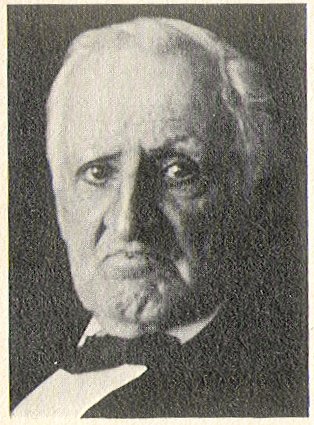
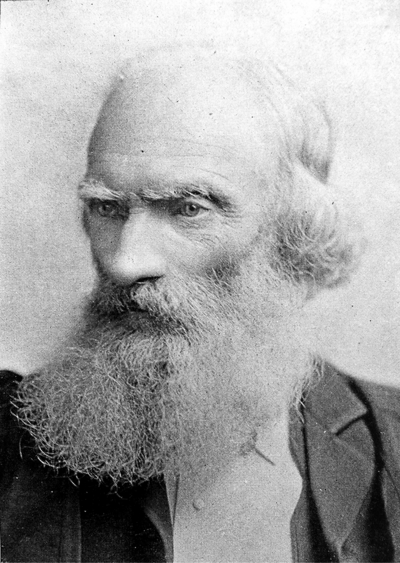
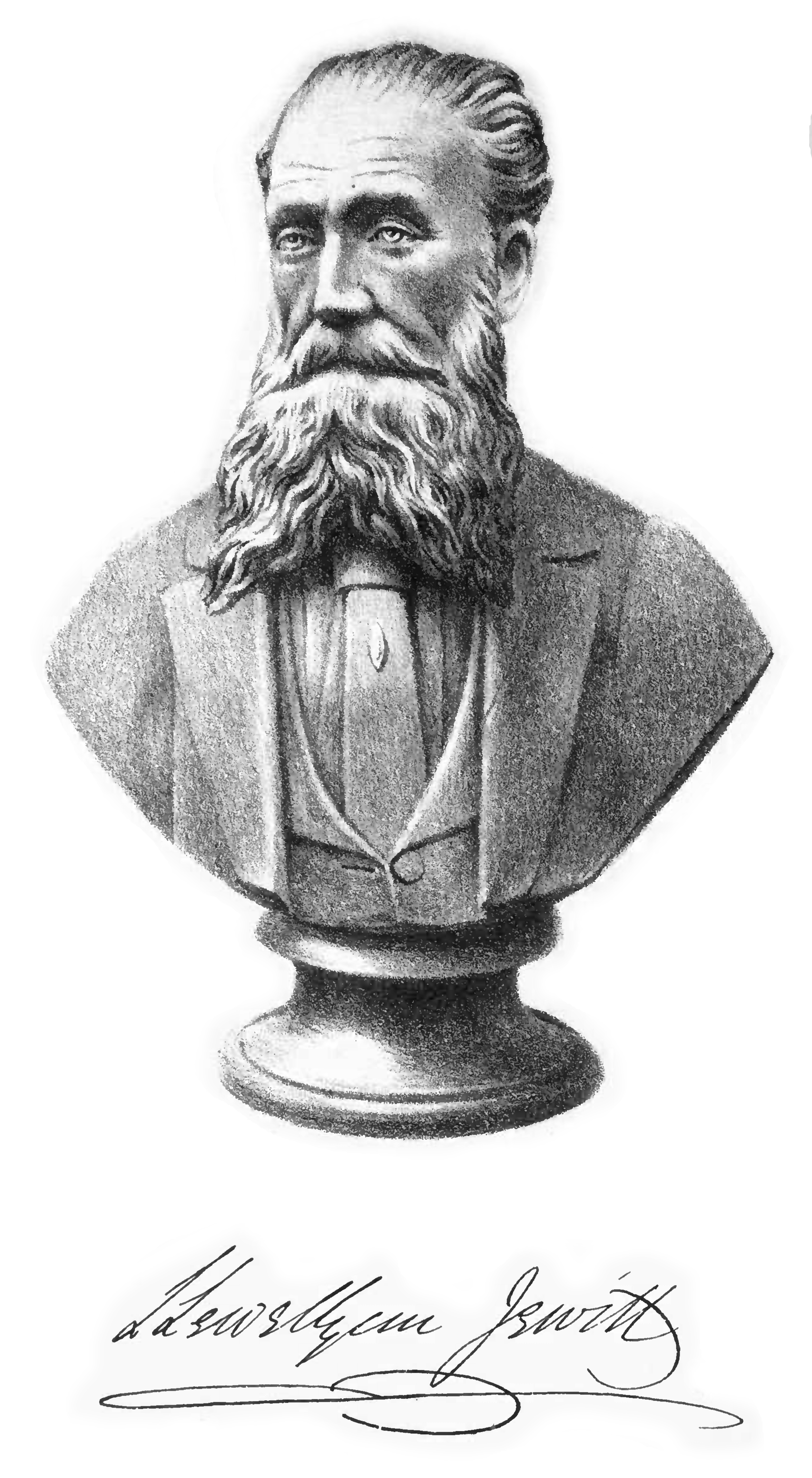
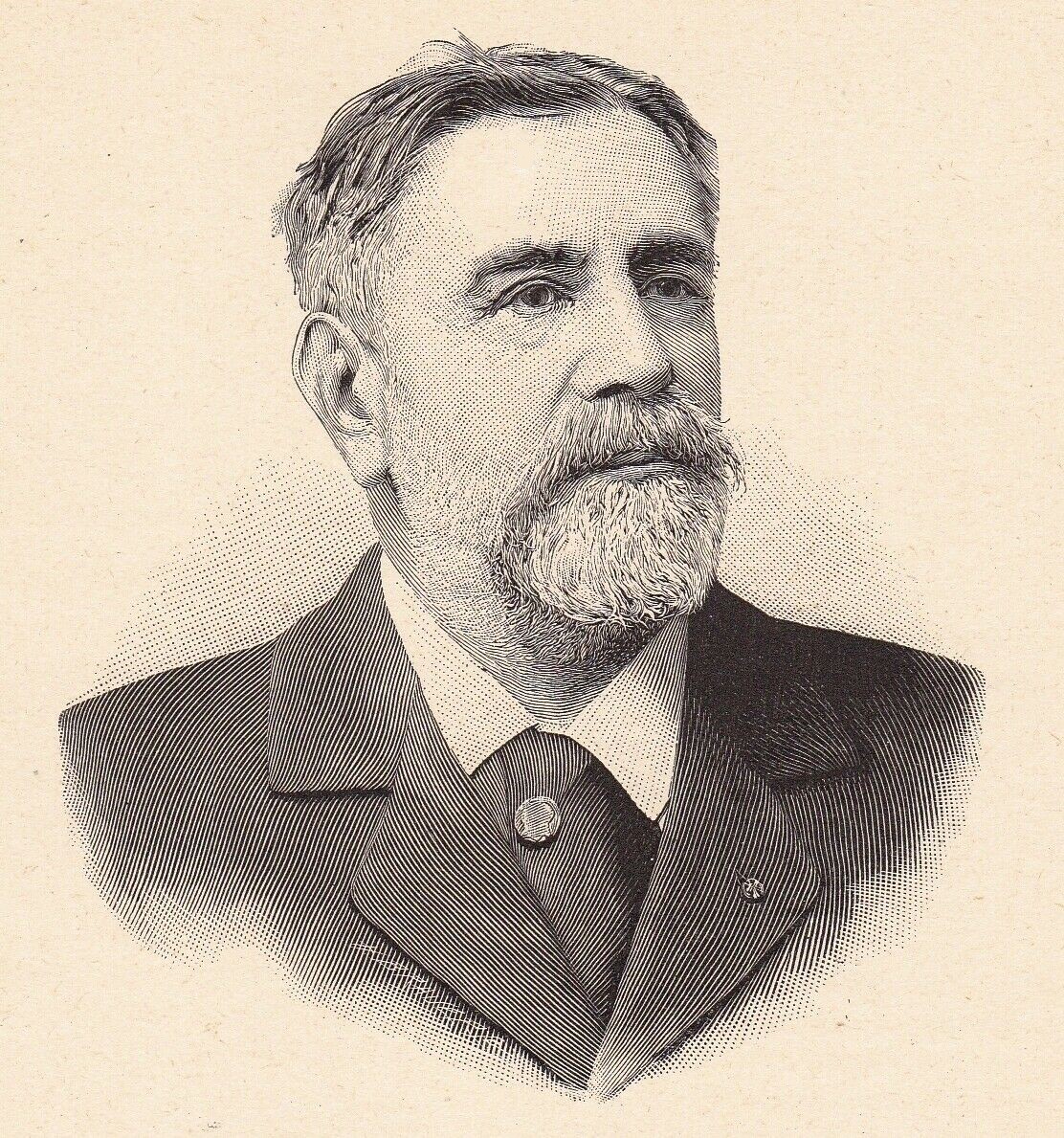
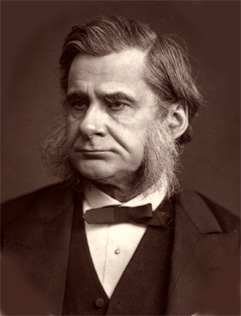
Ernst Wilhelm Förstemann was a German philologist and epigrapher renowned for his pioneering work in deciphering ancient Maya texts. Born in 1822, Förstemann dedicated much of his academic career to the study of Mesoamerican cultures, particularly focusing on the intricacies of the Maya civilization. His most notable work, 'Commentary on the Maya Manuscript in the Royal Public Library of Dresden,' provided critical insights into the structure and content of Maya hieroglyphs, marking a significant contribution to the field of linguistics and archaeology. Förstemann's meticulous analysis not only advanced the understanding of Maya writing systems but also laid the groundwork for future scholars in the field. Förstemann's legacy is particularly significant in the context of 19th-century scholarship, as he was one of the first to approach Maya texts with a rigorous academic methodology. His work helped to illuminate the complexities of Maya history and culture, fostering a greater appreciation for indigenous civilizations among European audiences. Through his efforts, Förstemann became a key figure in the early stages of Mesoamerican studies, influencing subsequent generations of researchers and contributing to the broader understanding of ancient writing systems worldwide.
Books from the author




Link to this page
Add a free, dofollow link to Lex on your blog, forum, syllabus, or reading list.

<a href="https://lex-books.com/author/ernst-wilhelm-förstemann"><img src="https://lex-books.com/badges/read-on-lex.svg" alt="Ernst Wilhelm Förstemann on Lex" width="160" height="40"></a>[](https://lex-books.com/author/ernst-wilhelm-förstemann)[url=https://lex-books.com/author/ernst-wilhelm-förstemann][img]https://lex-books.com/badges/read-on-lex.svg[/img][/url]Ernst Wilhelm Förstemann on Lex: https://lex-books.com/author/ernst-wilhelm-förstemann