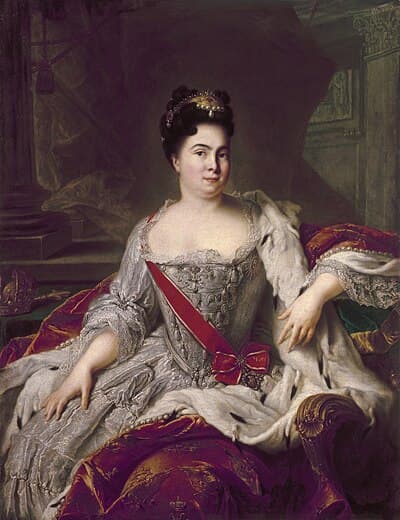
Empress of Russia Catherine II
Catherine II, known as Catherine the Great, was a formidable Empress of Russia who reigned from 1762 until her death in 1796. Born in Stettin, Prussia, she married the future Emperor Peter III of Russia, but after a coup, she ascended to the throne, becoming one of the most influential female rulers in history. Catherine was a patron of the arts and an enlightened despot who embraced the ideas of the Enlightenment, promoting education, legal reform, and the modernization of Russia. Her reign is marked by significant territorial expansion, including the annexation of Crimea and parts of Poland, which transformed Russia into a major European power. Catherine's literary contributions include her correspondence with prominent philosophers such as Voltaire and Diderot, which reflected her commitment to Enlightenment ideals. She also authored several works on governance, history, and philosophy, and her memoirs provide insight into her thoughts and policies. Catherine the Great's legacy is complex; she is celebrated for her contributions to Russian culture and statecraft, yet criticized for her autocratic rule and the serfdom that persisted under her reign. Her impact on Russia and Europe continues to be studied, as she remains a symbol of female power and enlightened leadership in a male-dominated world.
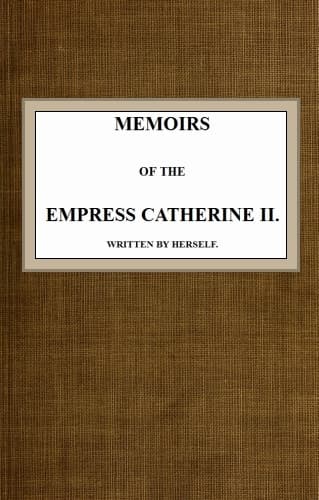
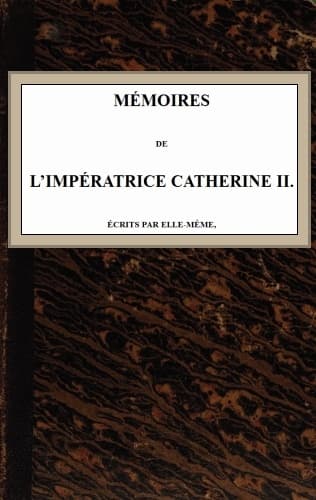
Books from the author



Link to this page
Add a free, dofollow link to Lex on your blog, forum, syllabus, or reading list.

<a href="https://lex-books.com/author/empress-of-russia-catherine-ii"><img src="https://lex-books.com/badges/read-on-lex.svg" alt="Empress of Russia Catherine II on Lex" width="160" height="40"></a>[](https://lex-books.com/author/empress-of-russia-catherine-ii)[url=https://lex-books.com/author/empress-of-russia-catherine-ii][img]https://lex-books.com/badges/read-on-lex.svg[/img][/url]Empress of Russia Catherine II on Lex: https://lex-books.com/author/empress-of-russia-catherine-ii