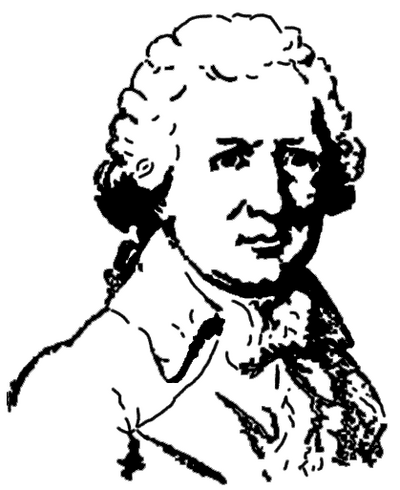
Emperor of the French Napoleon III
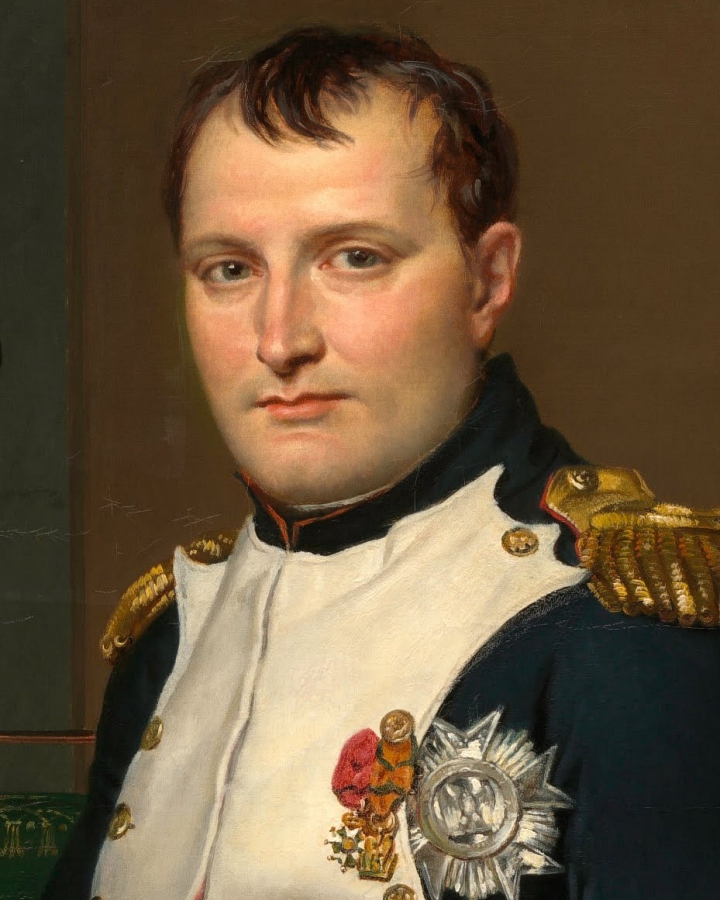
Napoleon III, born Charles-Louis Napoléon Bonaparte, was the Emperor of the French and a pivotal figure in 19th-century European history. He was the nephew of Napoleon Bonaparte and rose to prominence in the political landscape of France after the fall of the Second Republic. His reign, which began in 1852, was marked by significant modernization efforts, including the expansion of the French railway system, urban renewal in Paris under Baron Haussmann, and the establishment of a more centralized state. He also played a crucial role in foreign affairs, notably through military interventions in Italy and Mexico, which aimed to expand French influence abroad but often ended in controversy and failure. As a writer, Napoleon III authored several works, including "Des Idées Napoléoniennes" and "L'Empire de la Liberté," where he articulated his political philosophy and vision for France. His writings often reflected his aspirations for a modern, progressive France, though they were overshadowed by his political actions. Despite his ambitious reforms, his regime faced criticism for its authoritarian nature and eventual downfall during the Franco-Prussian War, leading to his exile. Napoleon III's legacy is complex; while he is credited with significant modernization efforts, his rule also serves as a cautionary tale of the challenges of balancing authority and liberty in governance.
Famous Quotes
View all 1 quotes“The future belongs to those who believe in the beauty of their dreams.””
Books from the author









Link to this page
Add a free, dofollow link to Lex on your blog, forum, syllabus, or reading list.

<a href="https://lex-books.com/author/emperor-of-the-french-napoleon-iii"><img src="https://lex-books.com/badges/read-on-lex.svg" alt="Emperor of the French Napoleon III on Lex" width="160" height="40"></a>[](https://lex-books.com/author/emperor-of-the-french-napoleon-iii)[url=https://lex-books.com/author/emperor-of-the-french-napoleon-iii][img]https://lex-books.com/badges/read-on-lex.svg[/img][/url]Emperor of the French Napoleon III on Lex: https://lex-books.com/author/emperor-of-the-french-napoleon-iii