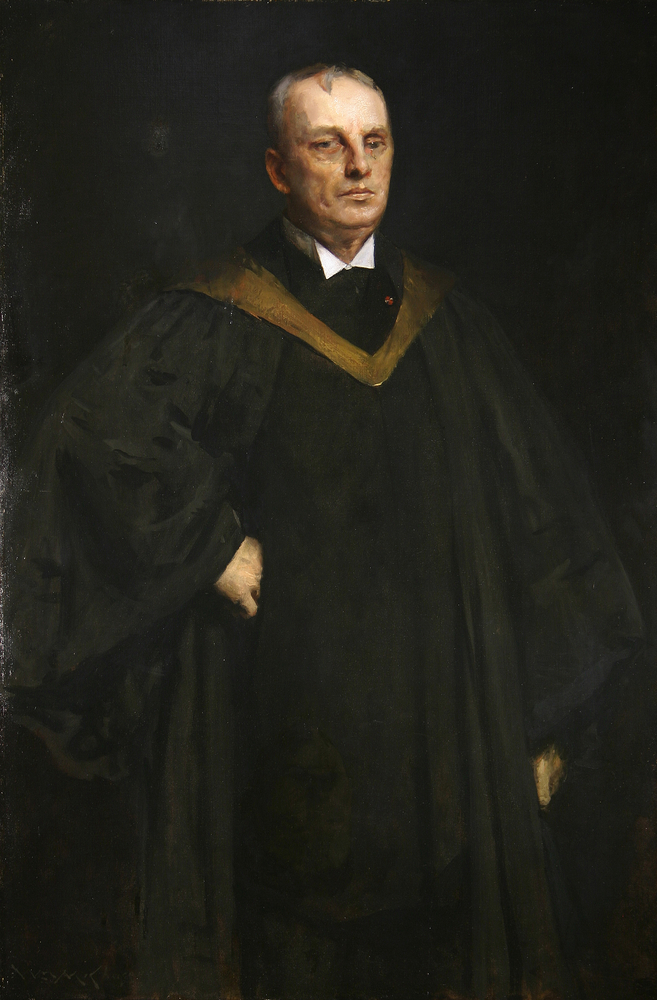
History of the United States, Volume 5
History of the United States, Volume 5
This volume captures America at the precise moment it transforms from a recovering post-Civil War nation into an industrial and imperial power. Andrews, writing with early 20th-century perspective, traces the critical years from 1888 to 1902: the contentious presidential campaigns of Cleveland and Harrison, the adoption of the Australian ballot system that quietly revolutionized American voting, and the deepening crisis of race relations in the South where Black citizens faced systematic disenfranchisement. The narrative situates these domestic dramas against the backdrop of unprecedented industrial growth, setting the stage for America's emergence onto the world stage with the Spanish-American War. Andrews writes as both economist and historian, attentive to the material forces reshaping the nation while remaining clear-eyed about the political compromises and moral failures that accompanied progress. For readers seeking to understand how the modern United States took shape, this volume offers a richly detailed account of the pivot point between the nineteenth and twentieth centuries, written by a scholar who witnessed the consequences unfold.
Editions
Link to this book
Add a free, dofollow link to Lex on your blog, forum, syllabus, or reading list.

<a href="https://lex-books.com/book/history-of-the-united-states-volume-5-c2ab5c59-be08-4f09-b49c-a614664a1cb1"><img src="https://lex-books.com/badges/read-on-lex.svg" alt="Read History of the United States, Volume 5 by Elisha Benjamin Andrews free on Lex" width="160" height="40"></a>[](https://lex-books.com/book/history-of-the-united-states-volume-5-c2ab5c59-be08-4f09-b49c-a614664a1cb1)[url=https://lex-books.com/book/history-of-the-united-states-volume-5-c2ab5c59-be08-4f09-b49c-a614664a1cb1][img]https://lex-books.com/badges/read-on-lex.svg[/img][/url]Read History of the United States, Volume 5 by Elisha Benjamin Andrews free on Lex: https://lex-books.com/book/history-of-the-united-states-volume-5-c2ab5c59-be08-4f09-b49c-a614664a1cb1Cite this book
Reading this edition for a paper or guide? Copy a citation.
Andrews, Elisha Benjamin. History of the United States, Volume 5. Lex, lex-books.com/book/history-of-the-united-states-volume-5-c2ab5c59-be08-4f09-b49c-a614664a1cb1.Andrews, E. B. (n.d.). History of the United States, Volume 5. Lex. https://lex-books.com/book/history-of-the-united-states-volume-5-c2ab5c59-be08-4f09-b49c-a614664a1cb1Andrews, Elisha Benjamin. History of the United States, Volume 5. Lex. https://lex-books.com/book/history-of-the-united-states-volume-5-c2ab5c59-be08-4f09-b49c-a614664a1cb1.