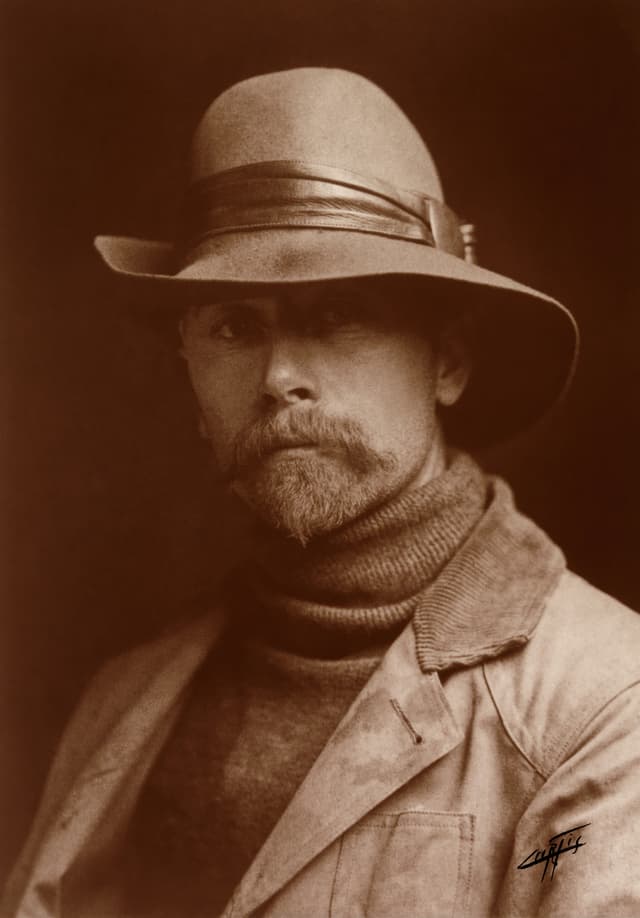
Edward S. Curtis
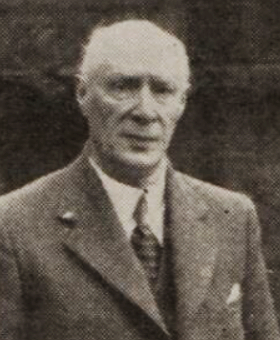
Edward S. Curtis was an American photographer and ethnologist renowned for his extensive documentation of Native American cultures in the early 20th century. Often called the 'Shadow Catcher,' he dedicated his life to capturing the essence of indigenous tribes across the American West through his photography and audio recordings. His most significant work, 'The North American Indian,' is a monumental series that includes over 2,200 photographs and detailed ethnographic texts, providing a comprehensive portrayal of Native American life at a time when these cultures were rapidly changing and facing extinction due to European colonization and assimilation policies. Curtis's work was groundbreaking not only for its artistic merit but also for its ethnographic value, as it preserved the traditions, rituals, and lifestyles of various tribes. Despite facing criticism for romanticizing Native American life and for the challenges of representing cultures through a Western lens, his contributions have had a lasting impact on both photography and anthropology. Today, Curtis is celebrated for his role in raising awareness about Native American issues and for his artistic legacy, which continues to influence contemporary discussions on cultural representation and preservation.
Books from the author




Link to this page
Add a free, dofollow link to Lex on your blog, forum, syllabus, or reading list.

<a href="https://lex-books.com/author/edward-s-curtis"><img src="https://lex-books.com/badges/read-on-lex.svg" alt="Edward S. Curtis on Lex" width="160" height="40"></a>[](https://lex-books.com/author/edward-s-curtis)[url=https://lex-books.com/author/edward-s-curtis][img]https://lex-books.com/badges/read-on-lex.svg[/img][/url]Edward S. Curtis on Lex: https://lex-books.com/author/edward-s-curtis