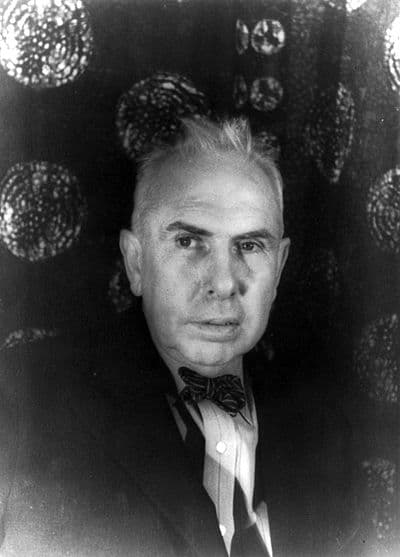
Theodore Dreiser
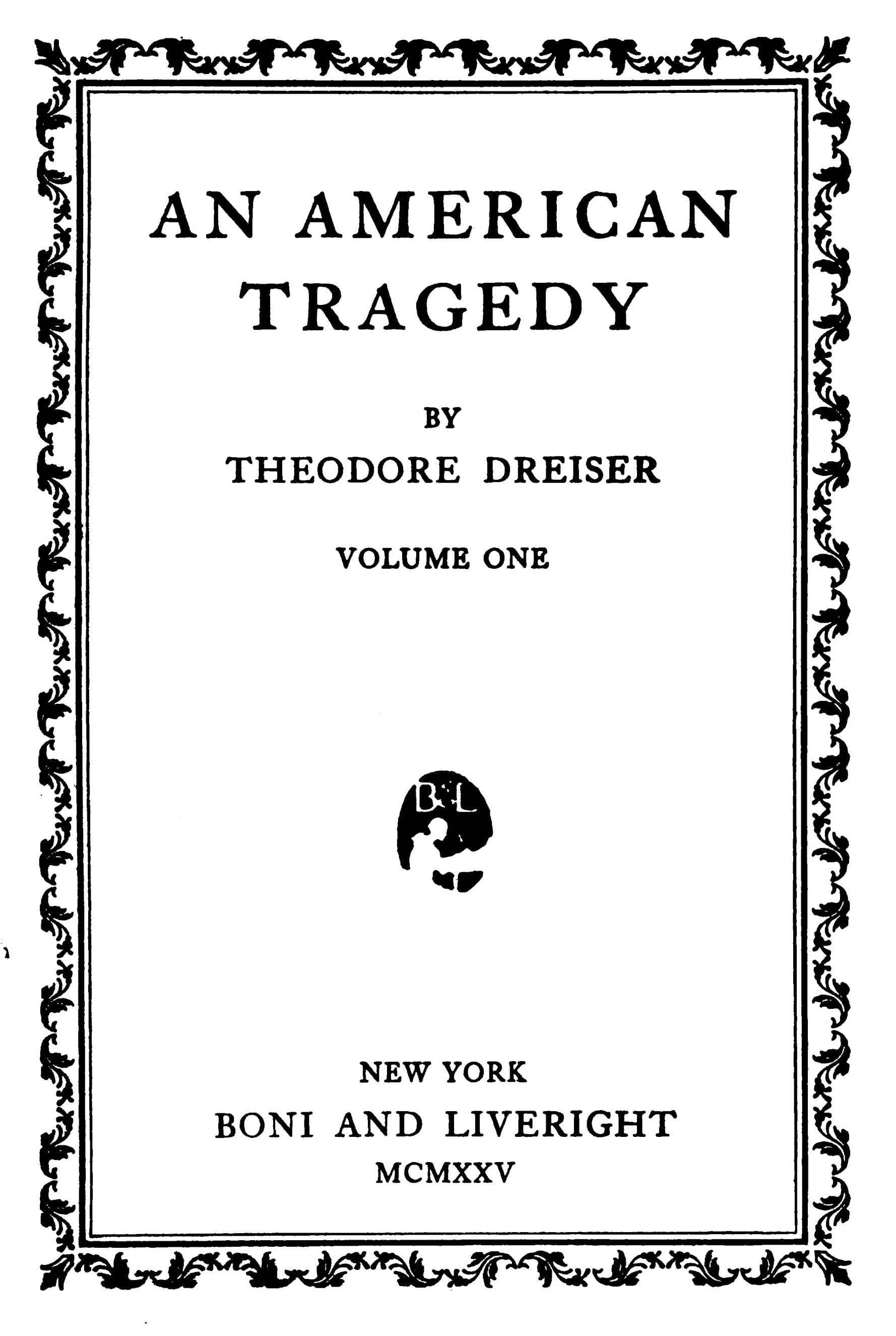
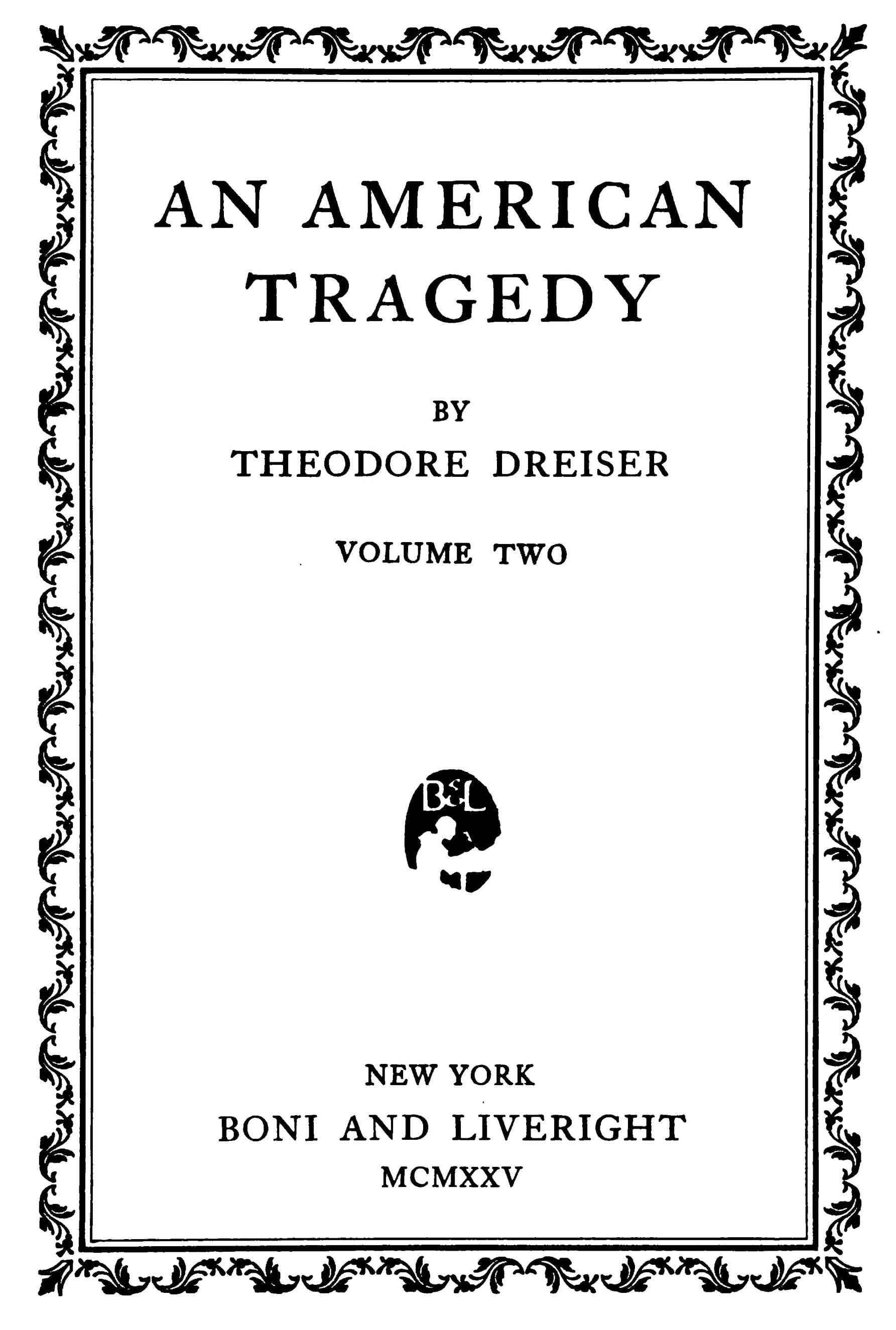
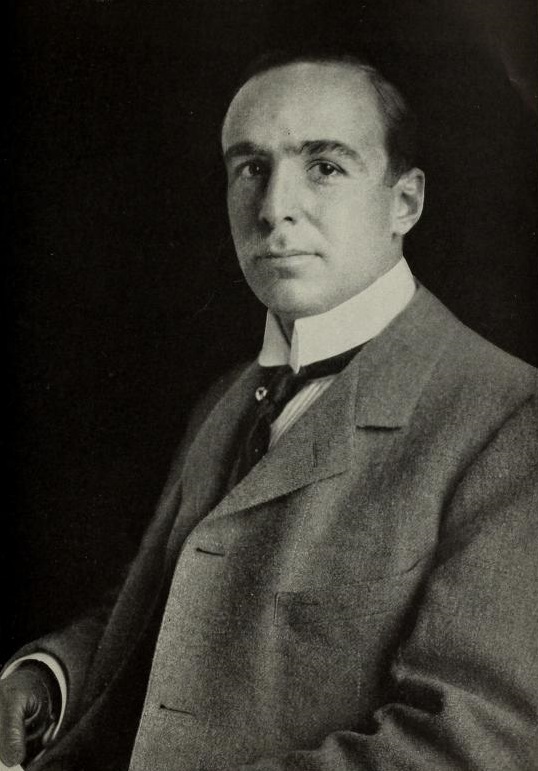
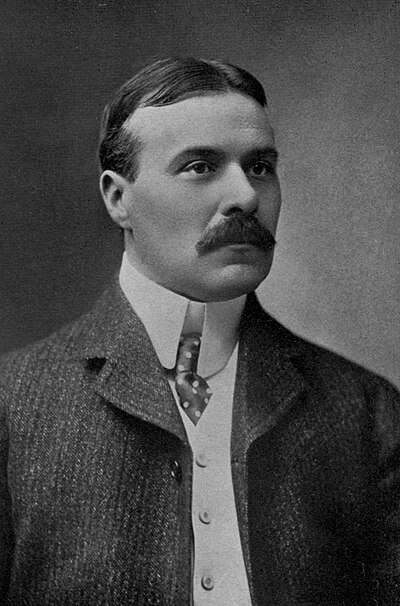
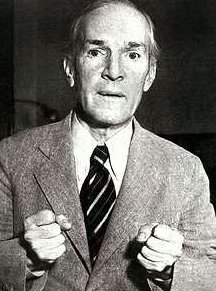
Theodore Dreiser was a prominent American novelist and journalist, recognized as a key figure in the naturalist literary movement. Born into a large, working-class family, he faced numerous hardships in his early life, which deeply influenced his writing. Dreiser's narratives often centered on characters who pursued their desires with little regard for moral considerations, reflecting a deterministic view of human behavior. His most notable works, including 'Sister Carrie' and 'An American Tragedy,' explore themes of ambition, social class, and the often harsh realities of American life in the early 20th century. 'Sister Carrie,' published in 1900, was groundbreaking for its candid portrayal of a woman's sexual and economic struggles, challenging the conventions of its time. 'An American Tragedy,' released in 1925, further solidified Dreiser's reputation, presenting a complex tale of ambition and moral ambiguity that questioned the American Dream. His writing style, characterized by a focus on detail and psychological depth, paved the way for later writers in the naturalist tradition. Dreiser's legacy endures as he remains a significant voice in American literature, influencing generations of authors and prompting discussions about morality and society in fiction.
Famous Quotes
View all 3 quotes“How true it is that words are but the vague shadows of the volumes we mean. Little audible links, they are, chaining together great inaudible feelings and purposes.”
“Words are but the vague shadows of the volumes we mean. Little audible links, they are, chaining together great inaudible feelings and purposes.”
“People in general attach too much importance to words. They are under the illusion that talking effects great results. As a matter of fact, words are, as a rule, the shallowest portion of all the argument. They but dimly represent the great surging feelings and desires which lie behind. When the distraction of the tongue is removed, the heart listens.”
Books from the author


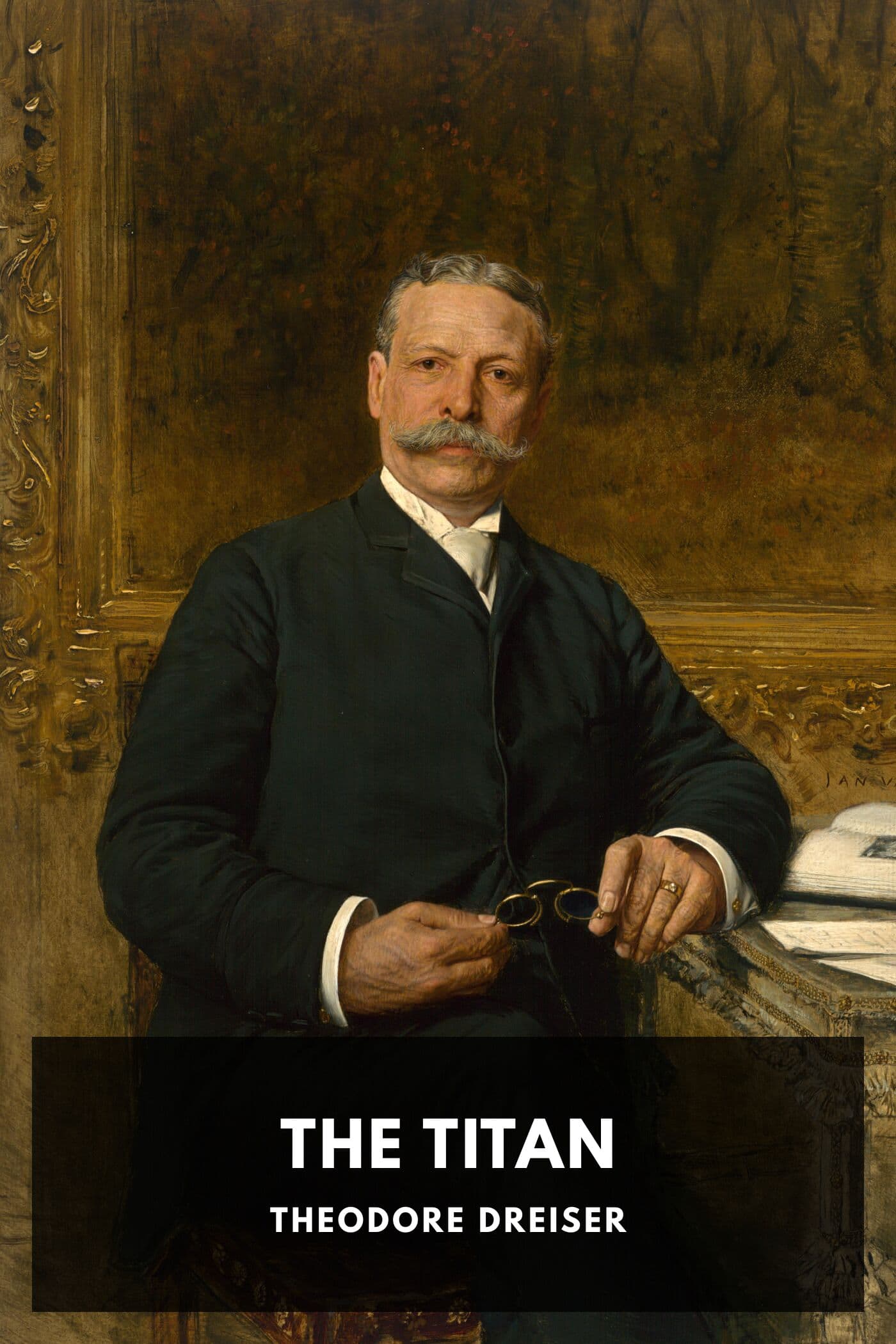
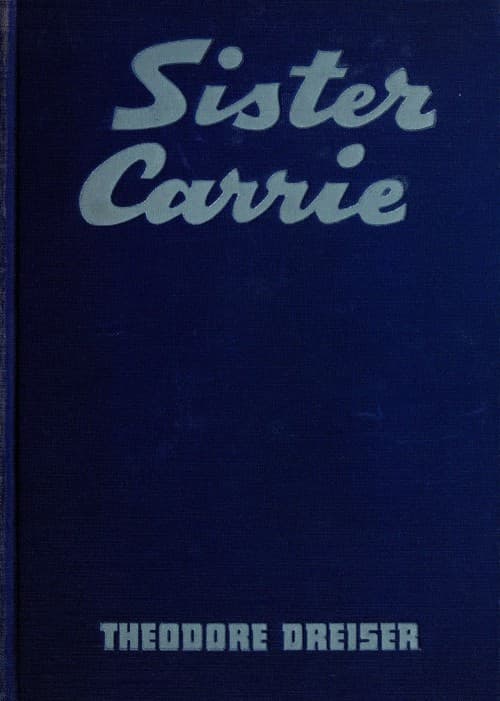
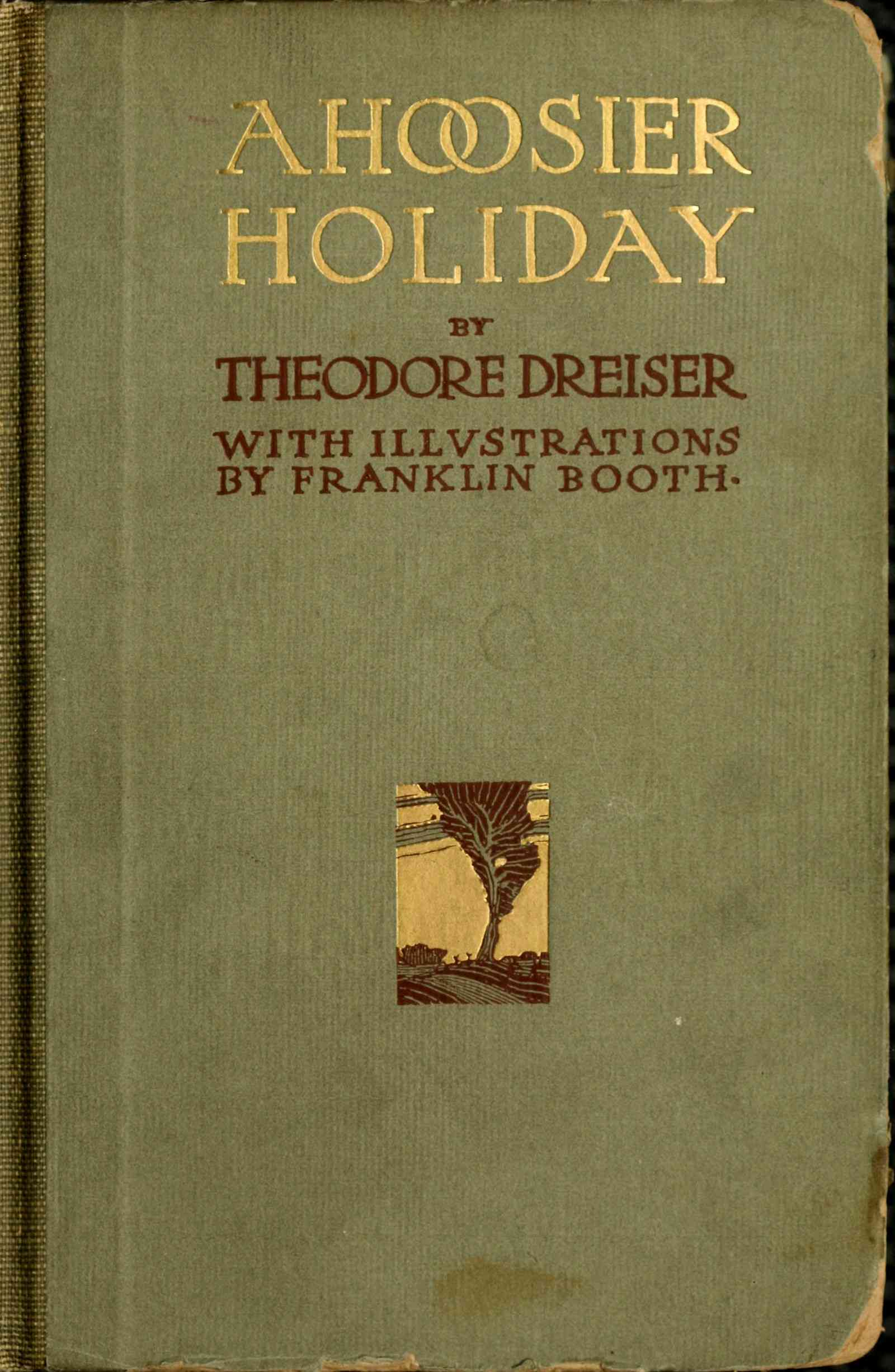








Link to this page
Add a free, dofollow link to Lex on your blog, forum, syllabus, or reading list.

<a href="https://lex-books.com/author/theodore-dreiser"><img src="https://lex-books.com/badges/read-on-lex.svg" alt="Theodore Dreiser on Lex" width="160" height="40"></a>[](https://lex-books.com/author/theodore-dreiser)[url=https://lex-books.com/author/theodore-dreiser][img]https://lex-books.com/badges/read-on-lex.svg[/img][/url]Theodore Dreiser on Lex: https://lex-books.com/author/theodore-dreiser