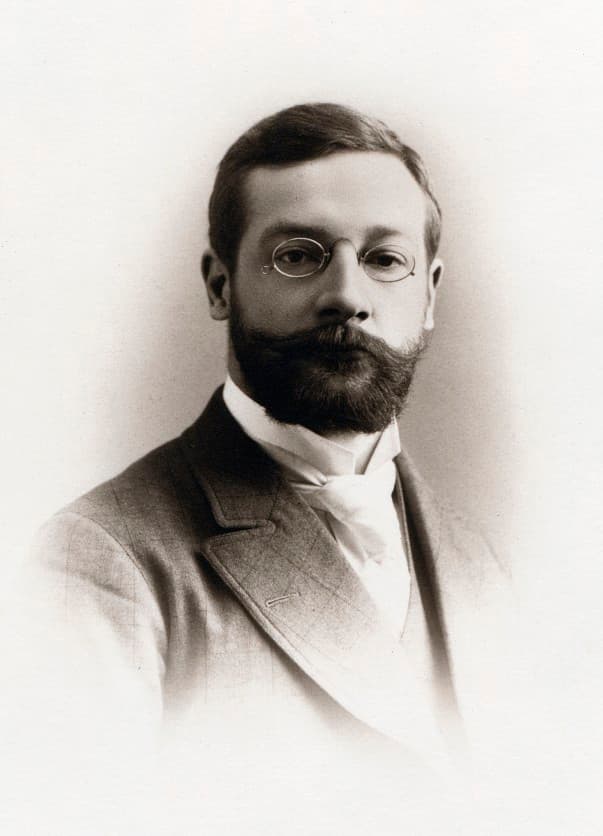
Edward Bradford Titchener
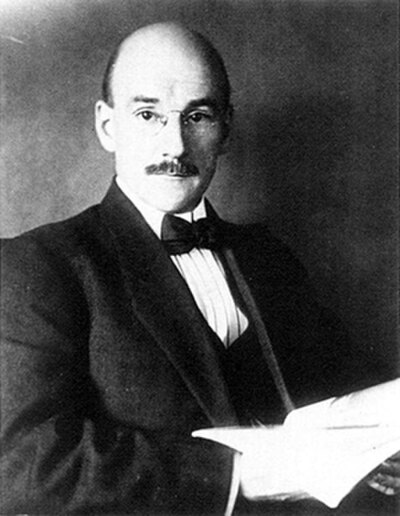
Edward Bradford Titchener was an influential English psychologist known for founding the school of thought known as structuralism, which sought to analyze the structure of the mind through introspection. After studying under Wilhelm Wundt, Titchener brought his ideas to the United States, where he became a professor at Cornell University. He established the largest doctoral program in psychology at that time, significantly shaping the field's academic landscape. Among his notable students was Margaret Floy Washburn, who became the first woman to earn a PhD in psychology in 1894, highlighting Titchener's role in promoting women in the discipline. Titchener's work emphasized the importance of understanding the components of consciousness, and he introduced a systematic approach to psychological research. His contributions laid the groundwork for future psychological theories and practices, influencing both the development of experimental psychology and the study of mental processes. Although structuralism eventually waned in popularity, Titchener's legacy endures in the ongoing exploration of the human mind and the evolution of psychological thought.
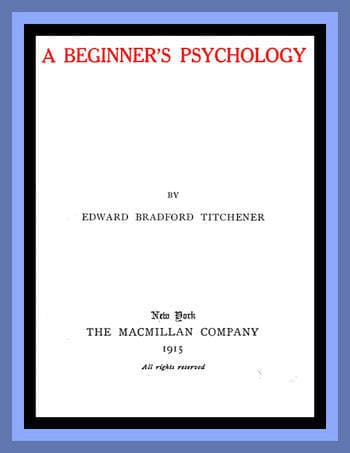
Books from the author






Link to this page
Add a free, dofollow link to Lex on your blog, forum, syllabus, or reading list.

<a href="https://lex-books.com/author/edward-bradford-titchener"><img src="https://lex-books.com/badges/read-on-lex.svg" alt="Edward Bradford Titchener on Lex" width="160" height="40"></a>[](https://lex-books.com/author/edward-bradford-titchener)[url=https://lex-books.com/author/edward-bradford-titchener][img]https://lex-books.com/badges/read-on-lex.svg[/img][/url]Edward Bradford Titchener on Lex: https://lex-books.com/author/edward-bradford-titchener