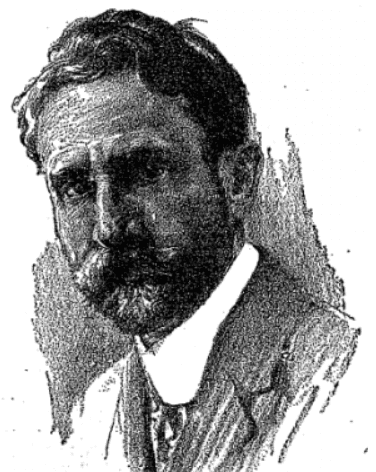
James H. Leuba
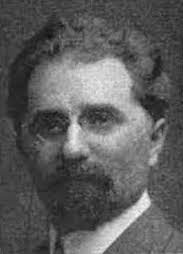
James H. Leuba was an influential American psychologist and philosopher, renowned for his pioneering work in the psychology of religion. Born in 1868, he dedicated much of his career to exploring the intersection of psychological phenomena and religious beliefs. His notable works, including 'The Psychological Origin and the Nature of Religion' and 'Study in the Psychology of Religious Phenomena,' delved into how psychological factors shape religious experiences and the nature of faith itself. Leuba's approach was characterized by a scientific lens, seeking to understand religion not merely as a cultural artifact but as a complex psychological phenomenon. In addition to his explorations of religion, Leuba also contributed to discussions on church reform in his work 'The Reformation Of The Churches.' His insights challenged traditional views and encouraged a more critical examination of religious institutions. Through his writings, Leuba played a significant role in the early 20th-century discourse on religion and psychology, influencing both fields and paving the way for future scholars to investigate the psychological underpinnings of belief systems. His legacy endures in the ongoing dialogue about the nature of faith and its psychological dimensions.
Books from the author





Link to this page
Add a free, dofollow link to Lex on your blog, forum, syllabus, or reading list.

<a href="https://lex-books.com/author/james-h-leuba"><img src="https://lex-books.com/badges/read-on-lex.svg" alt="James H. Leuba on Lex" width="160" height="40"></a>[](https://lex-books.com/author/james-h-leuba)[url=https://lex-books.com/author/james-h-leuba][img]https://lex-books.com/badges/read-on-lex.svg[/img][/url]James H. Leuba on Lex: https://lex-books.com/author/james-h-leuba