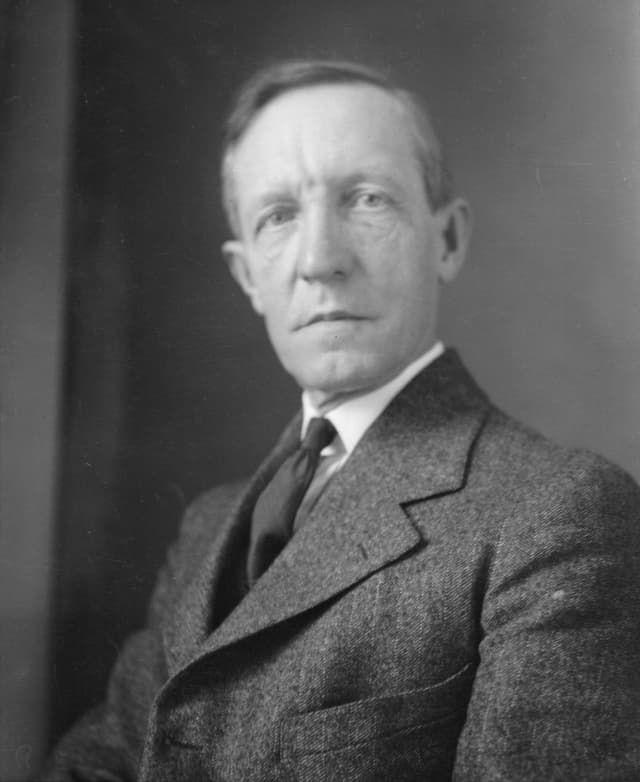
Duncan Campbell Scott
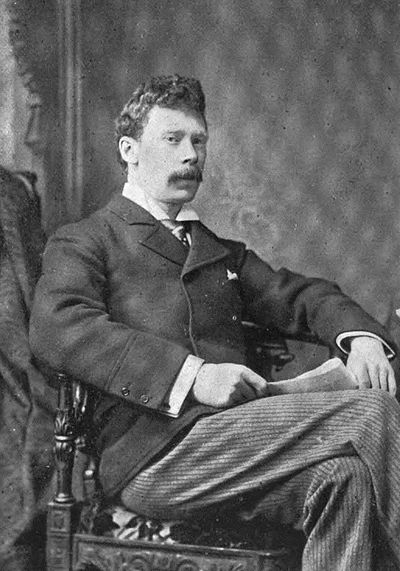
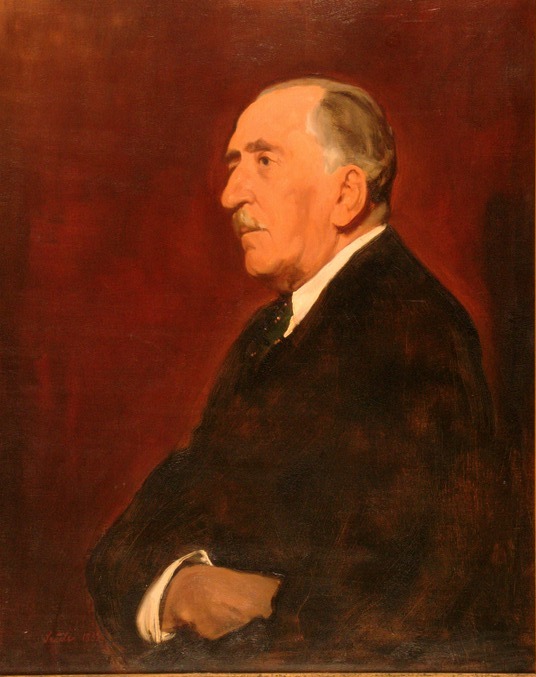
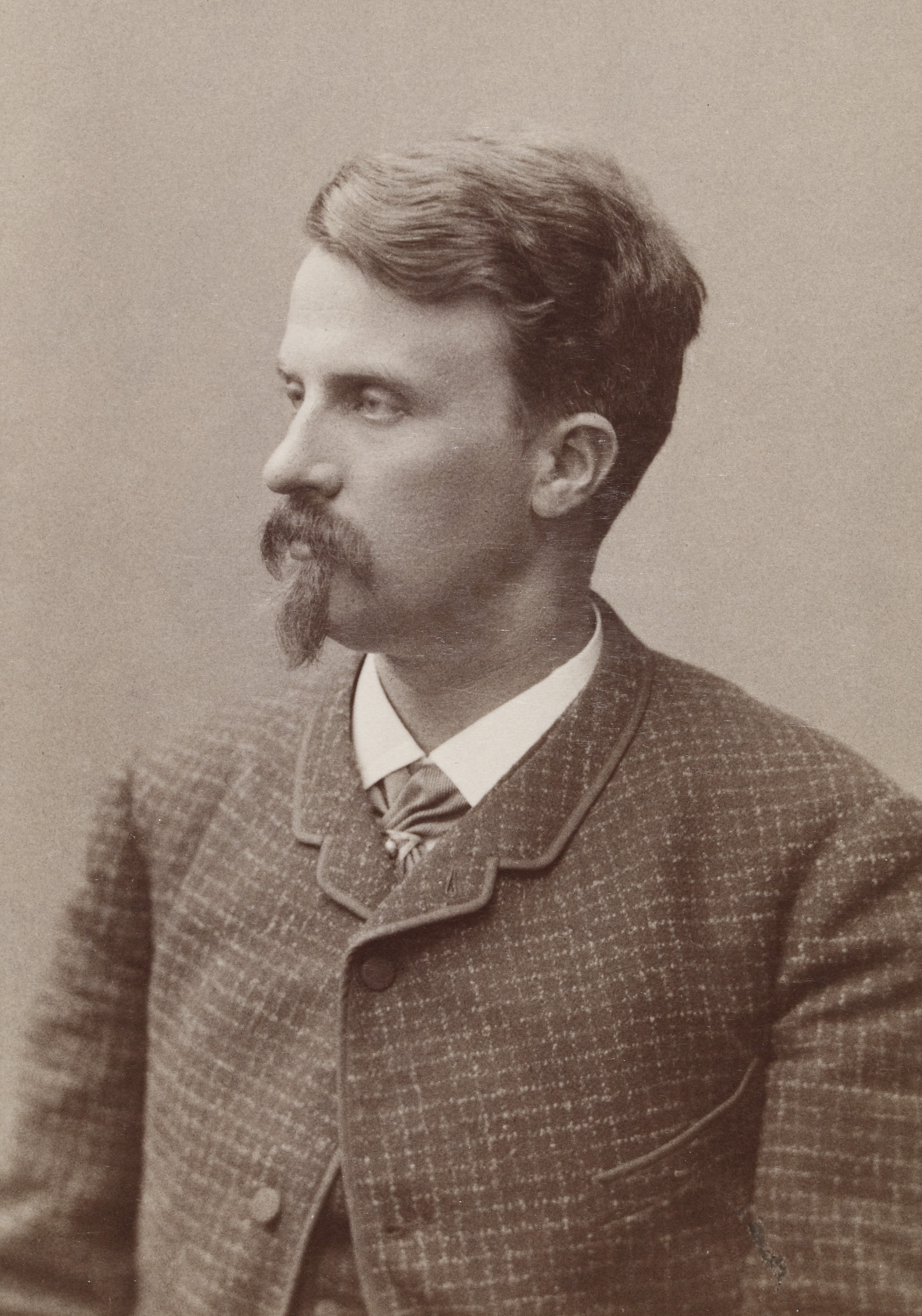
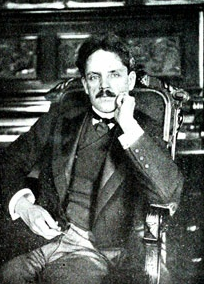
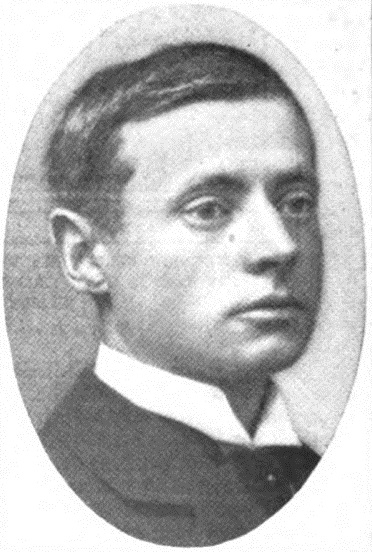
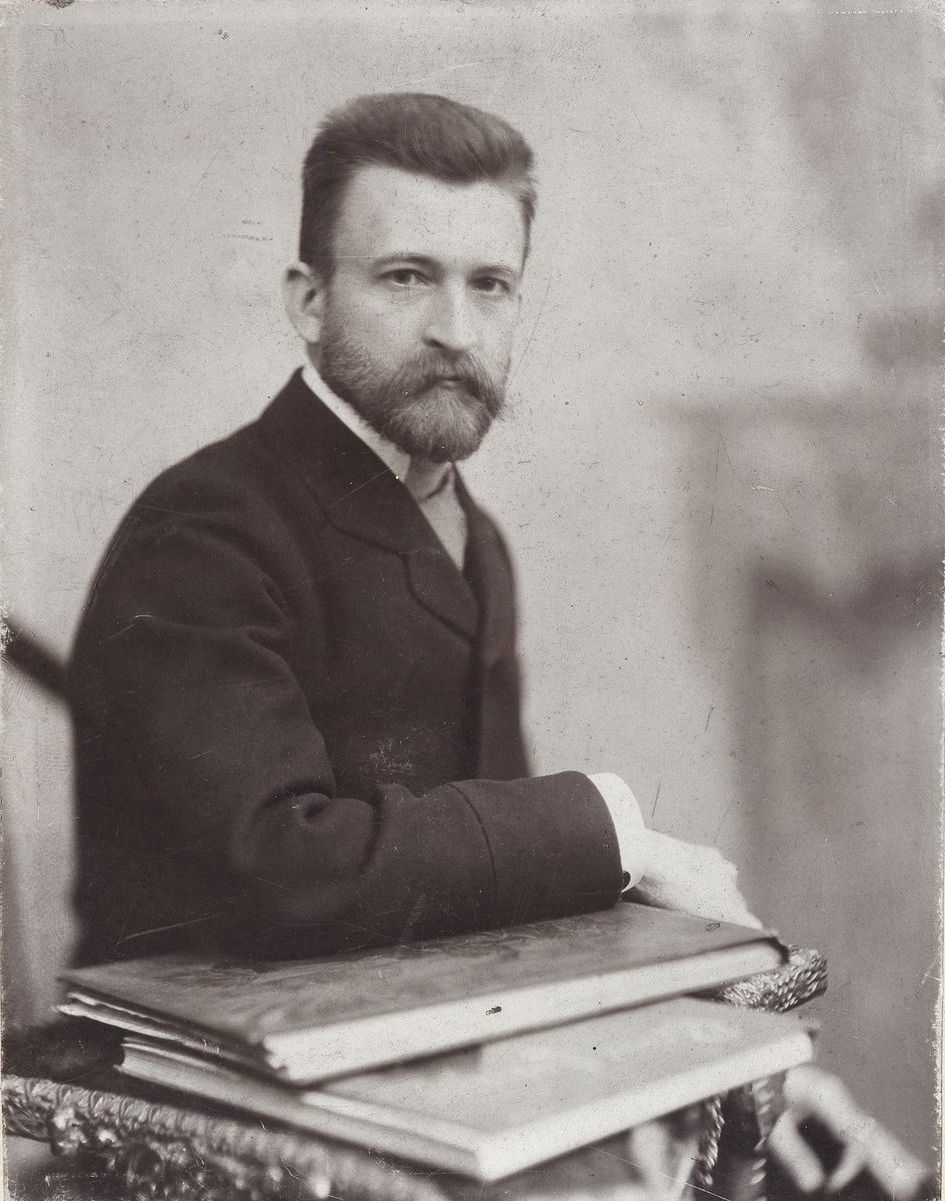
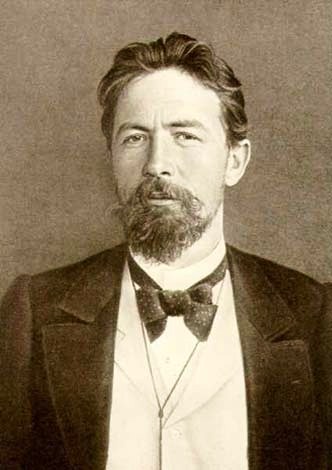
Duncan Campbell Scott was a prominent Canadian poet and prose writer, recognized as one of the Confederation Poets alongside figures like Charles G.D. Roberts and Bliss Carman. Born in 1862, he had a dual career as a civil servant, serving as the deputy superintendent of the Department of Indian Affairs from 1913 to 1932. His literary work often reflected the complexities of Canadian identity and nature, with notable works such as 'The Circle of Affection' and 'New World Lyrics' showcasing his lyrical style and thematic depth. However, Scott's legacy is complicated by his role in government policies towards Indigenous peoples, where he advocated for cultural assimilation and infamously coined the phrase “final solution for the Indian problem.” This duality in his life—an artist and a civil servant—highlights the tensions in Canadian history regarding Indigenous rights and cultural representation. Despite the controversies surrounding his political actions, Scott's contributions to Canadian literature remain significant, influencing subsequent generations of writers and shaping the discourse around national identity and cultural expression in Canada.
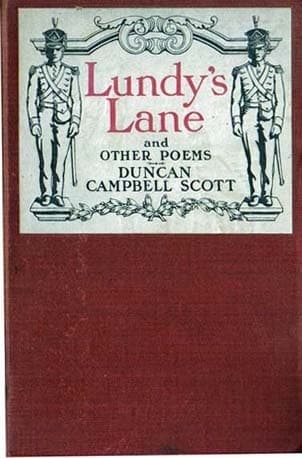
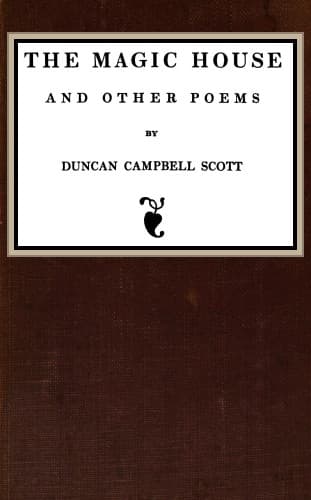
Books from the author



Link to this page
Add a free, dofollow link to Lex on your blog, forum, syllabus, or reading list.

<a href="https://lex-books.com/author/duncan-campbell-scott"><img src="https://lex-books.com/badges/read-on-lex.svg" alt="Duncan Campbell Scott on Lex" width="160" height="40"></a>[](https://lex-books.com/author/duncan-campbell-scott)[url=https://lex-books.com/author/duncan-campbell-scott][img]https://lex-books.com/badges/read-on-lex.svg[/img][/url]Duncan Campbell Scott on Lex: https://lex-books.com/author/duncan-campbell-scott