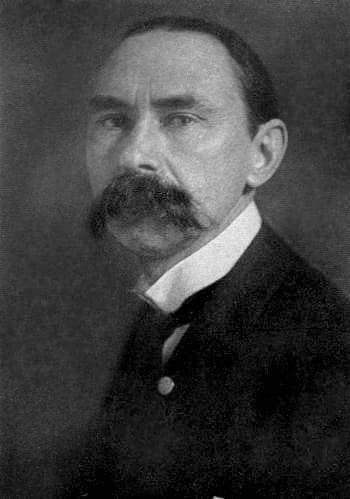
Douglas Hyde
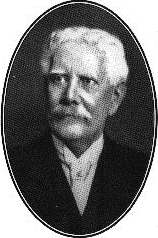
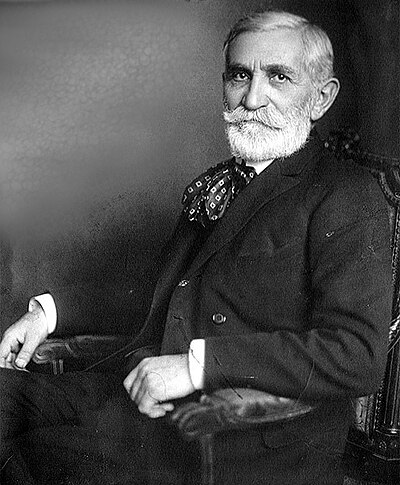
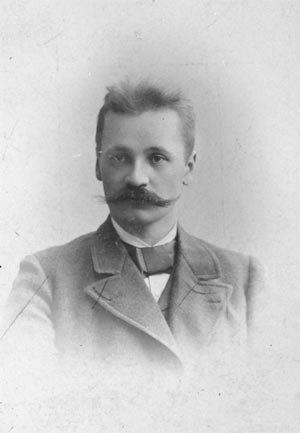
Douglas Hyde was an influential Irish academic, linguist, and politician, best known for his role in the Gaelic revival and as the first president of Ireland. Born in 1860, Hyde dedicated his life to the promotion of the Irish language and culture, serving as the first president of the Gaelic League, an organization pivotal in fostering a renewed interest in Irish heritage during the late 19th and early 20th centuries. His efforts were instrumental in preserving and revitalizing the Irish language, which had faced decline under British rule. Hyde's literary contributions included poetry and essays that celebrated Irish folklore and identity, reflecting his deep commitment to the cultural renaissance of his homeland. His presidency from 1938 to 1945 marked a significant period in Irish history, as he navigated the complexities of a nation asserting its identity in the wake of independence. Hyde's legacy endures not only through his political achievements but also through his unwavering dedication to the Irish language and culture, making him a key figure in Ireland's cultural and political landscape.
Famous Quotes
View all 2 quotes“In any profession, you will be respected if you are good at your job – not because you are good at talking about your beliefs. It may be quite irrational, but the fact is that, if you are recognized as being outstanding on one thing, you will be listened to on all sorts of subjects in no way related to it... and so, if you are going to be really effective [for your cause] in your place of work, you must set out to be the best man at your job.”
“The purpose of Christian leadership training is not just to help ambitious men to the top, or to make little men who have done leadership courses feel bigger than they really are. Still less is it to produce fuhrers, either large or small. It has much more to do with the making of integrated people. Ones who understand what they believe, are deeply dedicated to it, and who try unceasingly to relate their beliefs to every facet of their own lives and to the society in which they live.”
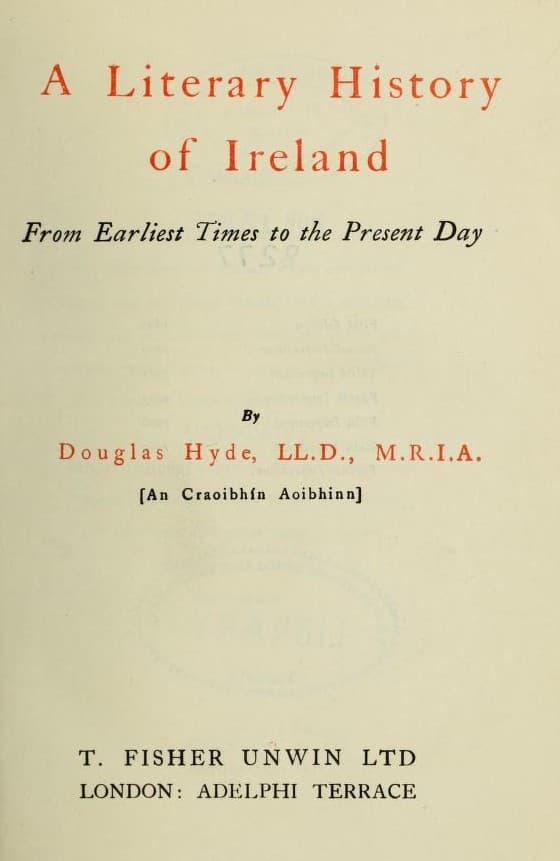
Books from the author





Link to this page
Add a free, dofollow link to Lex on your blog, forum, syllabus, or reading list.

<a href="https://lex-books.com/author/douglas-hyde"><img src="https://lex-books.com/badges/read-on-lex.svg" alt="Douglas Hyde on Lex" width="160" height="40"></a>[](https://lex-books.com/author/douglas-hyde)[url=https://lex-books.com/author/douglas-hyde][img]https://lex-books.com/badges/read-on-lex.svg[/img][/url]Douglas Hyde on Lex: https://lex-books.com/author/douglas-hyde