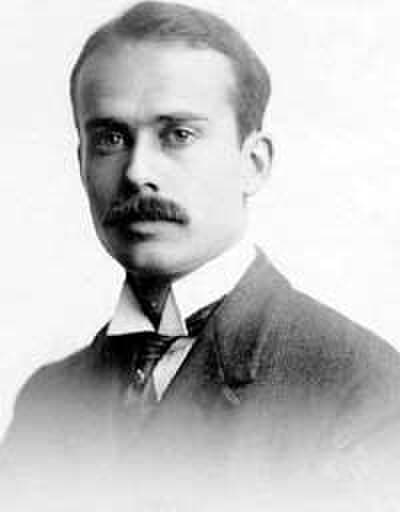
Clifford Whittingham Beers
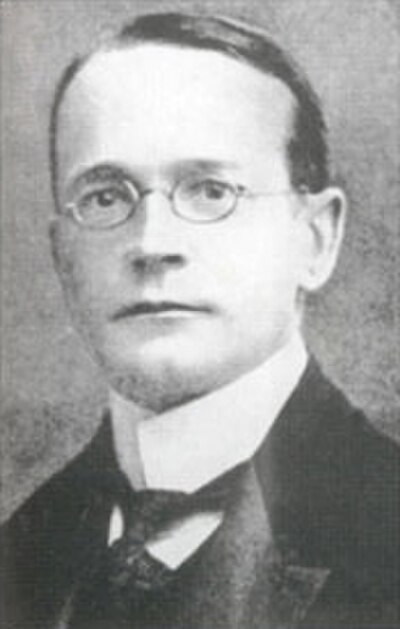
Clifford Whittingham Beers was a pioneering advocate for mental health reform in the United States, best known for founding the American mental hygiene movement. His own experiences with mental illness, including a severe breakdown that led to his institutionalization, profoundly shaped his views on mental health care. In 1908, he published his influential autobiography, 'A Mind That Found Itself,' which detailed his struggles with mental illness and the often inhumane treatment he received in asylums. This candid account not only raised public awareness about the plight of those with mental health issues but also called for a more compassionate and understanding approach to treatment. Beers's advocacy extended beyond his writing; he played a crucial role in establishing the National Committee for Mental Hygiene in 1909, which aimed to promote mental health education and improve conditions in mental health facilities. His efforts laid the groundwork for future mental health reforms and helped shift societal perceptions of mental illness. Beers's legacy endures in the ongoing fight for mental health awareness and the establishment of more humane treatment practices, making him a significant figure in the history of American psychiatry and mental health advocacy.
Famous Quotes
View all 3 quotes“After all, delusions of grandeur are the most entertaining of toys.”
“That the very delusion which drove me to a death-loving desperation should so suddenly vanish would seem to indicate that many a suicide might be averted if the person contemplating it could find the proper assistance when such a crisis impends.”
“For of what account are Truth and Love when Life itself has ceased to seem desirable?”
Books from the author











Link to this page
Add a free, dofollow link to Lex on your blog, forum, syllabus, or reading list.

<a href="https://lex-books.com/author/clifford-whittingham-beers"><img src="https://lex-books.com/badges/read-on-lex.svg" alt="Clifford Whittingham Beers on Lex" width="160" height="40"></a>[](https://lex-books.com/author/clifford-whittingham-beers)[url=https://lex-books.com/author/clifford-whittingham-beers][img]https://lex-books.com/badges/read-on-lex.svg[/img][/url]Clifford Whittingham Beers on Lex: https://lex-books.com/author/clifford-whittingham-beers