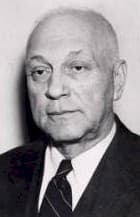
Claude Fayette Bragdon
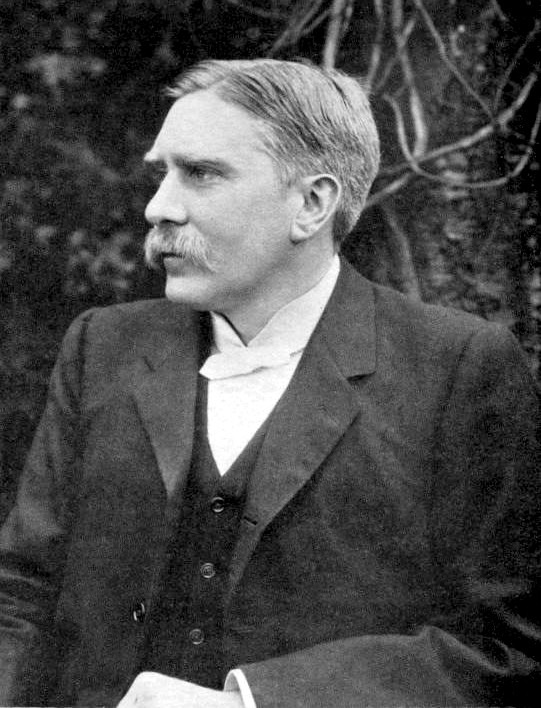
Claude Fayette Bragdon was an influential American architect, writer, and stage designer known for his innovative contributions to architecture in the early 20th century. Based initially in Rochester, New York, Bragdon designed notable structures such as the New York Central Railroad terminal and the Chamber of Commerce, reflecting the progressive architectural movements of his time. His work was characterized by a commitment to 'organic architecture,' a philosophy that emphasized harmony with nature and sought to create spaces that fostered democratic values amidst the challenges of industrialization and urbanization. Bragdon's designs were not only aesthetically pleasing but also aimed to enhance community life through thoughtful integration with the environment. In addition to his architectural practice, Bragdon was a prolific writer, producing numerous essays and books that articulated his vision for architecture and its role in society. His writings explored the intersection of art, nature, and democracy, influencing contemporary thought on architecture and design. Bragdon's legacy endures through his contributions to the architectural discourse of the early 20th century, as he championed a vision of buildings that were not merely functional but also served as expressions of cultural and social ideals. His work continues to inspire architects and designers who seek to create spaces that reflect a deeper connection to the natural world and the communities they serve.
Books from the author



Link to this page
Add a free, dofollow link to Lex on your blog, forum, syllabus, or reading list.

<a href="https://lex-books.com/author/claude-fayette-bragdon"><img src="https://lex-books.com/badges/read-on-lex.svg" alt="Claude Fayette Bragdon on Lex" width="160" height="40"></a>[](https://lex-books.com/author/claude-fayette-bragdon)[url=https://lex-books.com/author/claude-fayette-bragdon][img]https://lex-books.com/badges/read-on-lex.svg[/img][/url]Claude Fayette Bragdon on Lex: https://lex-books.com/author/claude-fayette-bragdon