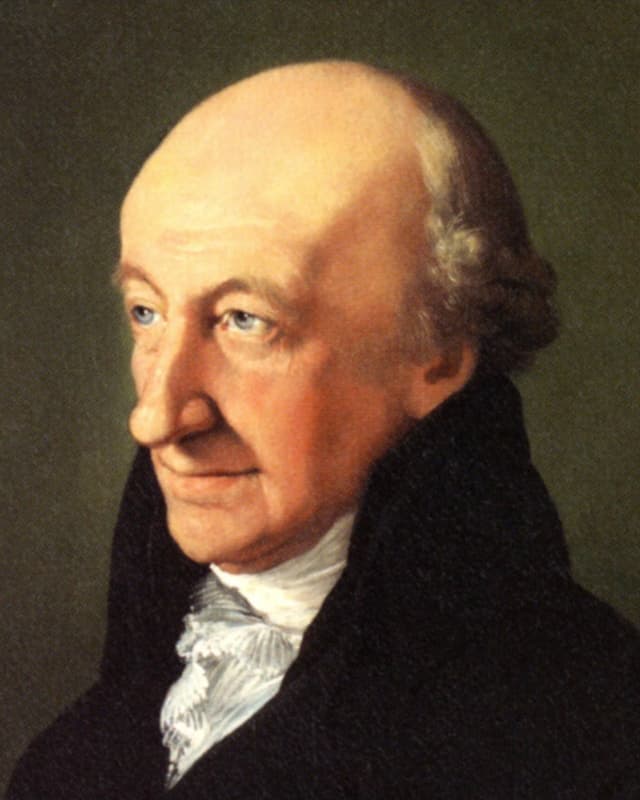
Christoph Martin Wieland
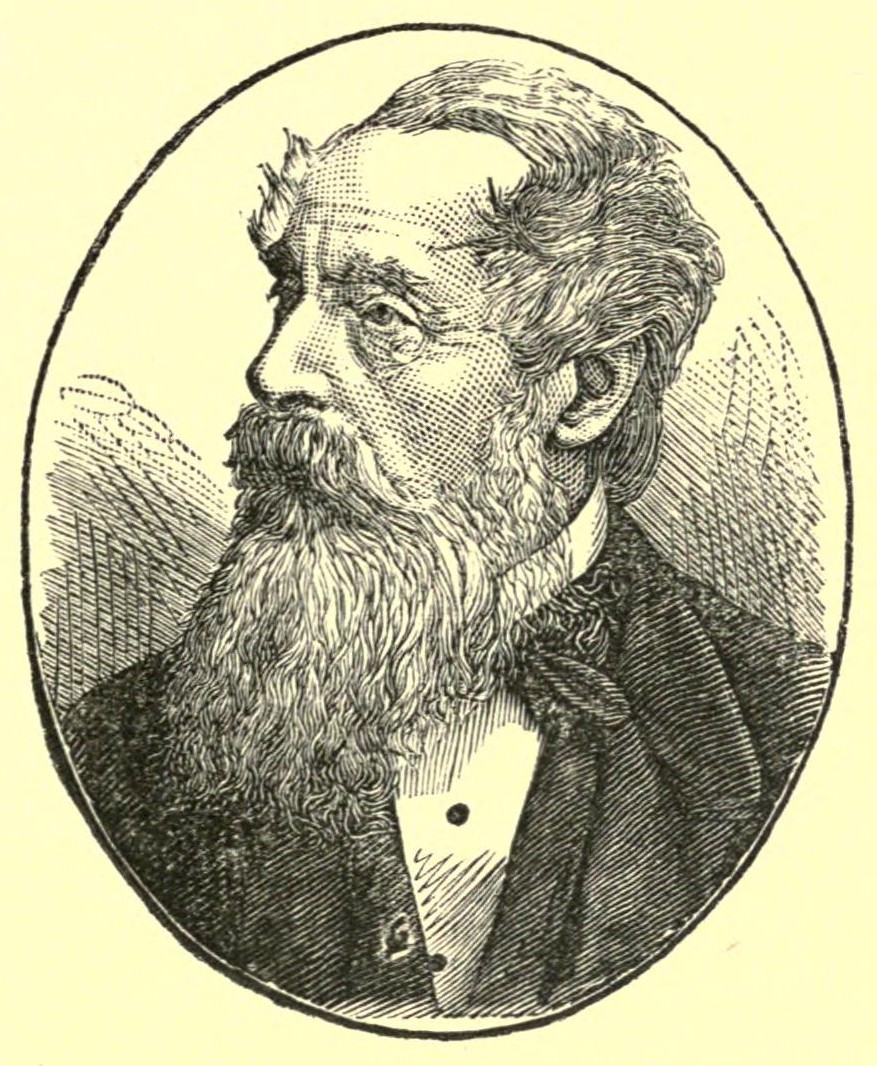
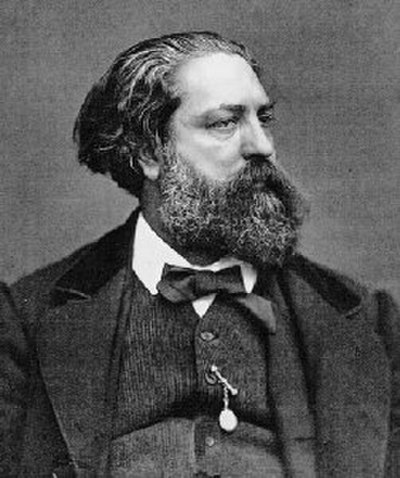
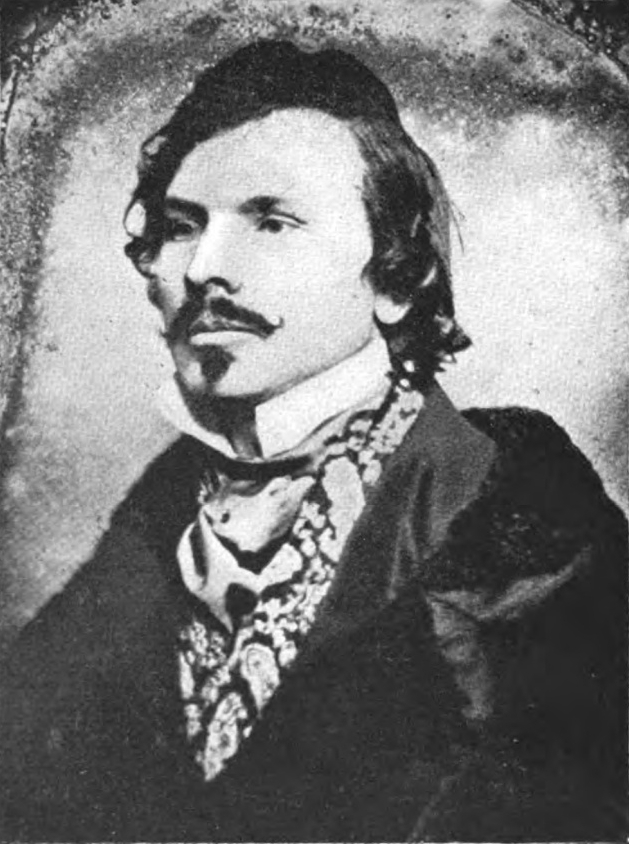
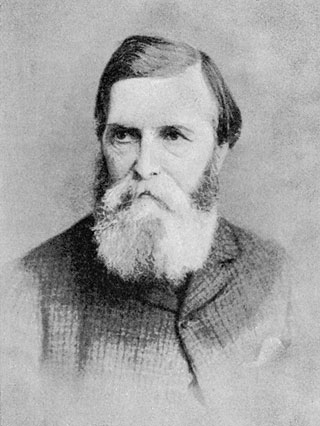
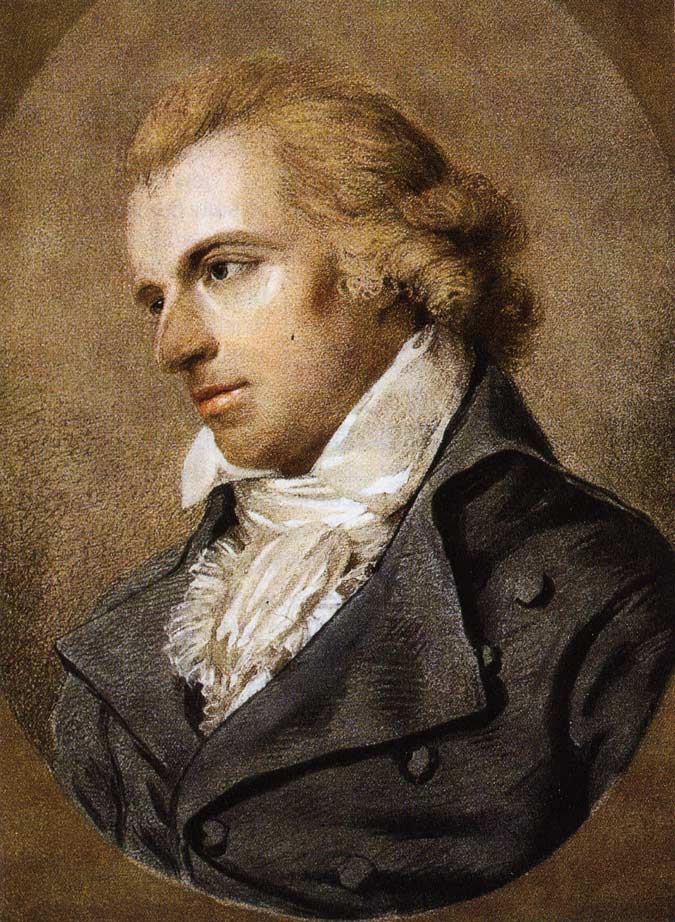
Christoph Martin Wieland was a prominent German poet and writer, celebrated for his contributions to the literary Rococo movement. He is best known for authoring the first Bildungsroman, 'Geschichte des Agathon,' which explored the development of its protagonist in a manner that would influence future generations of writers. Wieland's work embodied the cosmopolitan ideals of the German Enlightenment, as he believed that true citizenship required a broad, inclusive perspective on humanity. His literary output also included the epic poem 'Oberon,' which inspired operatic adaptations by both Friederike Sophie Seyler and Carl Maria von Weber, showcasing his impact on the performing arts as well. As a key figure in Weimar Classicism, Wieland's collaborations with Abel Seyler's theatre company further solidified his role in shaping German literature and culture during a transformative period. His writings not only reflect the aesthetic values of his time but also engage with philosophical themes that resonate with the Enlightenment's emphasis on reason and individual development. Wieland's legacy endures through his innovative narrative forms and his ability to bridge literary traditions, marking him as a significant figure in the evolution of German literature.
Famous Quotes
View all 3 quotes“Let no one despair, even though in the darkest night the last star of hope may disappear.”
“Bir insanın yurttaşlarından daha akıllı olması tehlikeli bir şeydir.”
“Meşgul okuyucudan iyi okuyucu pek çıkmaz. Ya her şeyi beğenirler veya hiçbir şeyden hoşnut olmazlar; dediklerimizin ya yarısını anlarlar ya hiçbirisini anlamazlar ya da (daha kötüsü) hepsini yanlış anlarlar. Zevk alarak veya faydalanarak okumak isteyen insanın ne yapacak başka işi ne de düşünecek başka şeyi olmalı.”
Books from the author





Link to this page
Add a free, dofollow link to Lex on your blog, forum, syllabus, or reading list.

<a href="https://lex-books.com/author/christoph-martin-wieland"><img src="https://lex-books.com/badges/read-on-lex.svg" alt="Christoph Martin Wieland on Lex" width="160" height="40"></a>[](https://lex-books.com/author/christoph-martin-wieland)[url=https://lex-books.com/author/christoph-martin-wieland][img]https://lex-books.com/badges/read-on-lex.svg[/img][/url]Christoph Martin Wieland on Lex: https://lex-books.com/author/christoph-martin-wieland