
Charles Reynolds Brown
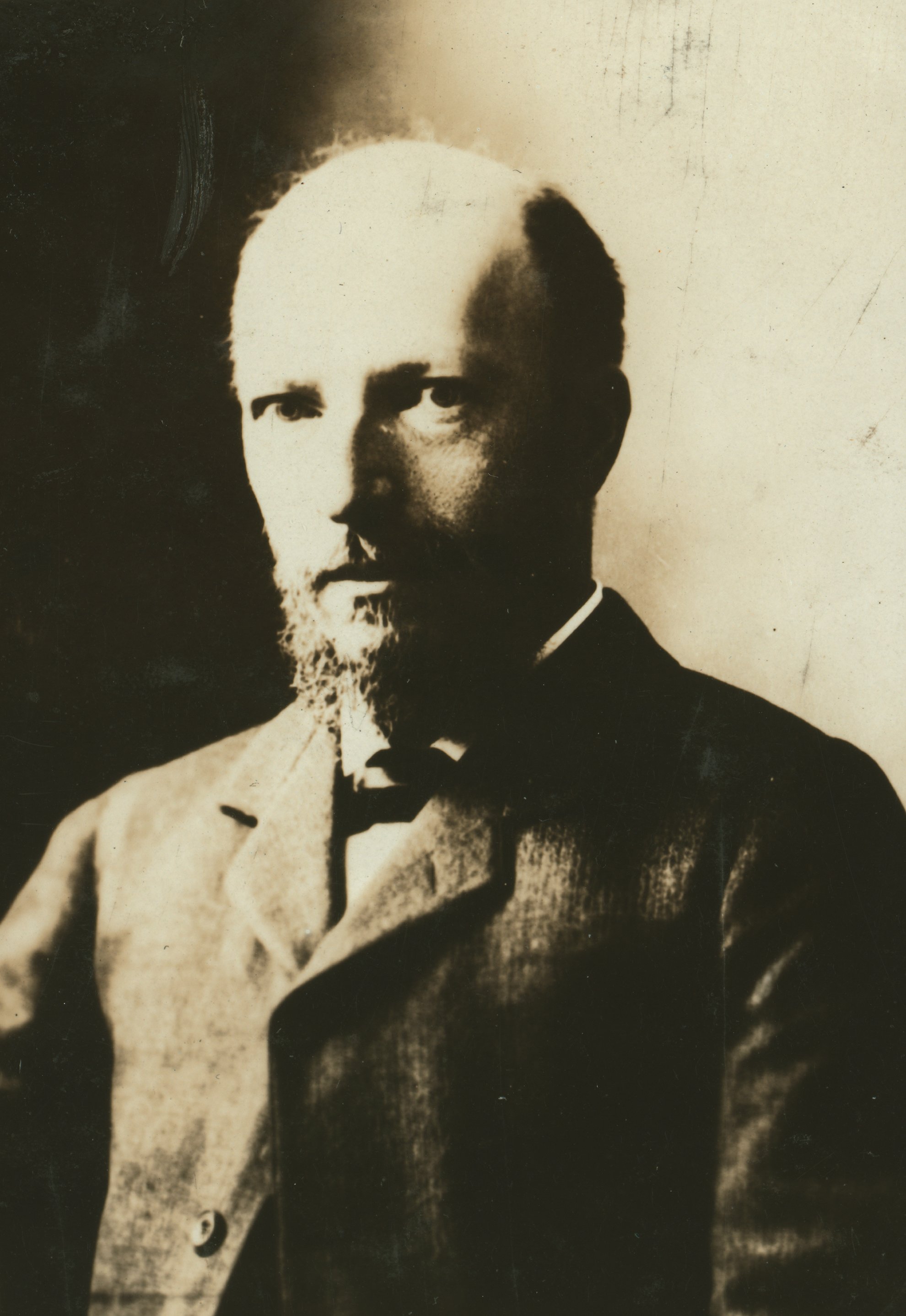
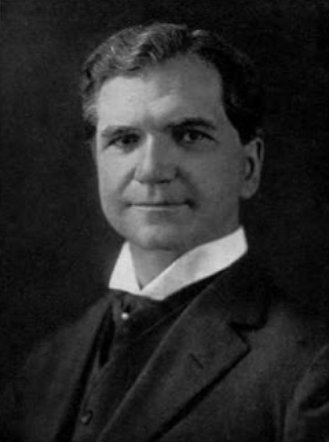
Charles Reynolds Brown was an influential American Congregational clergyman and educator, whose contributions to theology and religious thought left a lasting impact on the academic landscape of the early 20th century. Born in Bethany, West Virginia, he graduated from the University of Iowa in 1883 and furthered his studies in theology at Boston University. His career was marked by a series of esteemed positions, including pastor of the First Congregational Church in Oakland, California, from 1896 to 1911, where he was known for his engaging sermons and commitment to social issues. In 1911, Brown became the dean of the Yale Divinity School, where he shaped the minds of future religious leaders and scholars. He also lectured at prestigious institutions such as Leland Stanford, Yale, Cornell, and Columbia universities, contributing to the discourse on faith and education. His work emphasized the importance of integrating intellectual rigor with spiritual practice, making him a notable figure in the development of modern theological education. Brown's legacy endures through his influence on both the church and academia, as well as through his writings that continue to inspire discussions on faith and ethics.
Books from the author




Link to this page
Add a free, dofollow link to Lex on your blog, forum, syllabus, or reading list.

<a href="https://lex-books.com/author/charles-reynolds-brown"><img src="https://lex-books.com/badges/read-on-lex.svg" alt="Charles Reynolds Brown on Lex" width="160" height="40"></a>[](https://lex-books.com/author/charles-reynolds-brown)[url=https://lex-books.com/author/charles-reynolds-brown][img]https://lex-books.com/badges/read-on-lex.svg[/img][/url]Charles Reynolds Brown on Lex: https://lex-books.com/author/charles-reynolds-brown